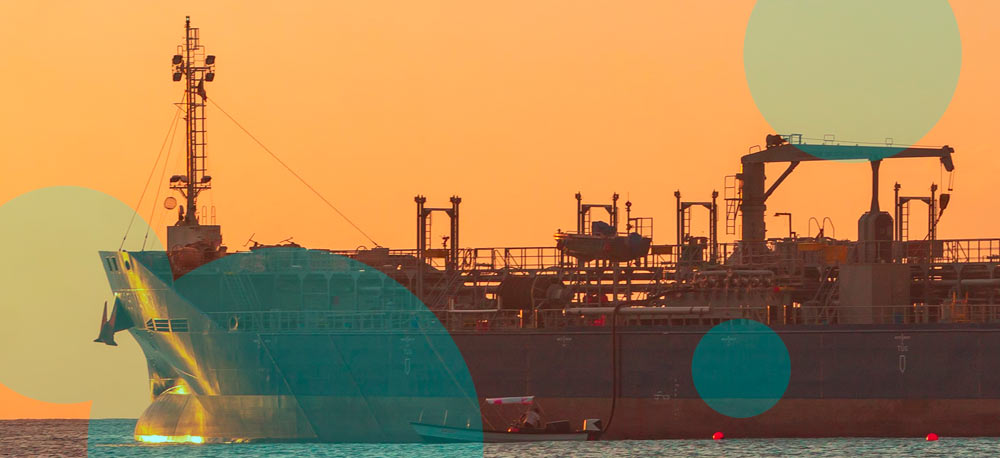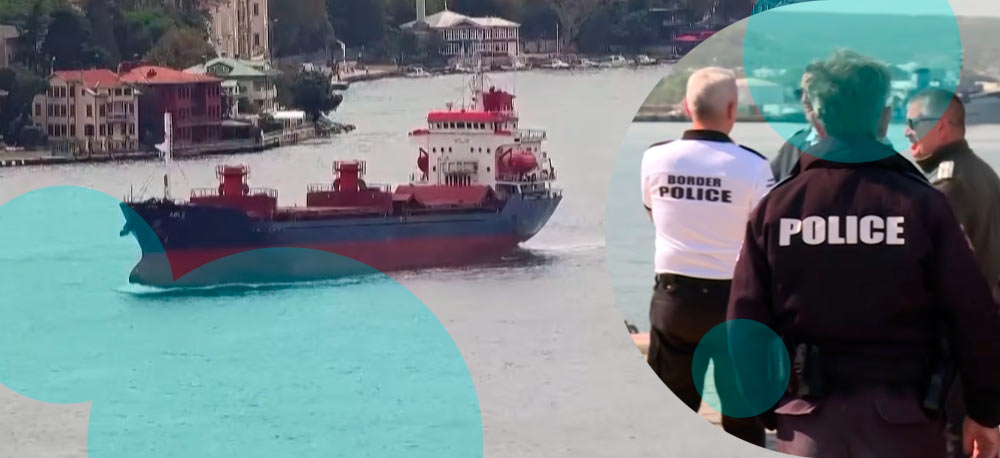
War-risk insurance for vessels transiting the Strait of Hormuz has surged twelvefold. Rates now reach 3% of hull value, up from roughly 0.25% before U.S. and Israeli strikes on Iranian targets on February 28 and Tehran’s missile and drone response.
The escalation came despite President Donald Trump’s pledge to keep Middle East energy flows uninterrupted. At least ten tankers have faced attacks in the Strait and nearby waters.
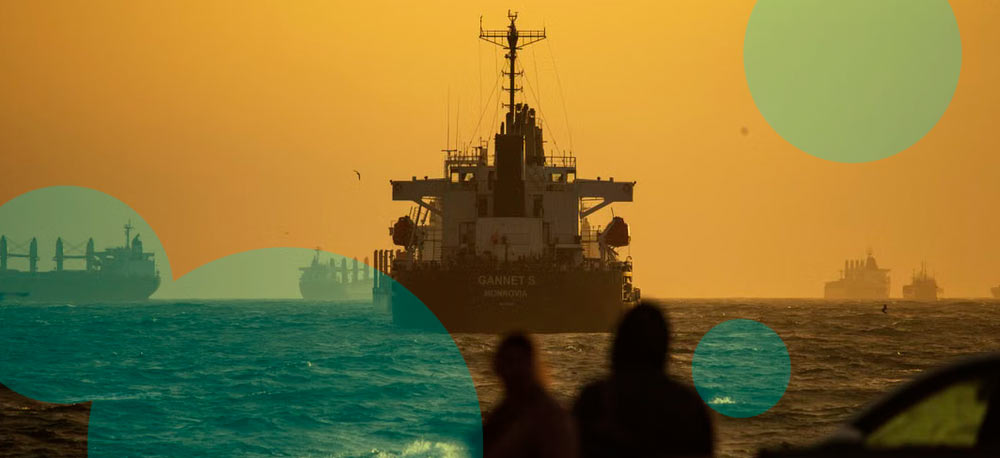
One caught fire Monday. Four more sustained damage. Around 150 vessels sit stranded, and parts of the tanker fleet remain idle or impaired.
Traffic through the Strait between Iran and Oman, a corridor moving about one-fifth of global oil consumption plus large LNG volumes, has nearly stalled. Radio warnings have advised ships to avoid the passage. Physical risk, not paperwork, drives underwriting calls.
In response, Trump instructed the U.S. International Development Finance Corporation to provide favorable insurance and guarantee support for commercial maritime traffic through the Persian Gulf, with emphasis on energy cargoes.
The U.S. International Development Finance Corporation, working with the United States Department of the Treasury, is setting up a reinsurance facility for vessels in the region. Indicative capacity stands near $20 bn.
Officials say the facility aims to restore trade flows after insurance capacity in the conflict zone contracted sharply. The agency frames the move as support for supply chains and regional businesses.
Insurers, though, are parsing mechanics. Brokers called the announcement unexpected and asked how broadly federal backing will apply, despite references to covering all trade through the Gulf.
Underwriters reacted fast once hostilities intensified. According to Marsh, short-term rate increases for Gulf transits could run 25% to 50% absent direct strikes on commercial vessels.
Several markets invoked seven-day cancellation clauses on annual hull war-risk policies. Some carriers withdrew coverage entirely as exposure spiked.
Insurance experts question whether DFC involvement will ease pricing pressure. The agency’s mandate centers on mobilizing private investment in emerging markets, not absorbing frontline war-risk volatility. For shipowners, the issue remains attack probability and accumulation, not access to credit enhancement.
Energy markets moved in tandem. Brent crude futures jumped as much as 13% after regional infrastructure curtailed output. European gas prices advanced.
According to our data, tanker charter rates and freight derivatives widened alongside spot crude, reflecting tighter capacity and heightened risk loads.
War-risk premiums now price in missile range, drone capability, and convoy behavior. Federal reinsurance may cushion capacity. It won’t erase the threat environment.