The global crop insurance market is forecast to grow from $48.5 bn in 2025 to $106.2 bn by 2035 (with an 8.19% CAGR over the period), driven by climate risk, government-backed programs and wider use of digital agriculture tools.
North America led the market in 2025 with 35.2% of global revenue. The region benefits from government-backed insurance programs, advanced farming methods, broad use of risk management tools and rising climate-related losses.
- The US and Europe remain large mature markets, with the US expected to reach $26.7 bn by 2035 and Europe projected to reach $27.23 bn, supported by public insurance schemes, AI risk assessment and precision farming.
- Asia Pacific is the fastest-growing region, with a 10.3% CAGR, as agriculture-dependent economies expand crop insurance programs and farmers seek stronger financial protection against extreme weather.
According to SNS Insider, the US accounted for about 82.91% of North American revenue, supported by federal crop insurance participation, large-scale farms and rising demand for technology-enabled risk assessment.
Key highlights
- The US crop insurance market stood at $14.2 bn in 2025 and is projected to reach $26.7 bn by 2035, growing at a 6.6% CAGR. Climate threats, government-sponsored programs, satellite data, AI, precision farming and analytics continue to shape the market. It’s a regulated, data-heavy business, and the underwriting side keeps getting more technical.
- Europe’s crop insurance market reached $13.1 bn in 2025 and is forecast to hit $27.2 bn by 2035, with a 7.6% CAGR. The region represented 27% of the global market. Growth comes from advanced agricultural infrastructure, rising climate risk, state-backed risk management initiatives and wider insurance adoption across Germany, France, the UK, Italy and Spain.
- Asia Pacific is the fastest-growing crop insurance market, with a projected 10.3% CAGR. The region’s growth comes from high dependence on agriculture, more climate-related losses, wider government insurance initiatives and faster adoption of digital agriculture technologies. Farmer awareness around financial protection is rising as crop insurance plans spread and precision agriculture tools gain ground.
Crop insurance demand is growing
Crop insurance demand is growing because climate variability keeps increasing, extreme weather events occur more often and farmers face greater pressure to protect productivity and income.
Governments and private insurers offer multi-peril crop insurance, yield protection and weather-based products to strengthen agricultural risk management.
Satellite imagery, artificial intelligence, remote sensing and data analytics help insurers assess risk more accurately, process claims faster and design products around farmer needs.
Precision agriculture and digital agriculture also give insurers more usable data for underwriting. That matters. Better field-level information helps carriers price risks, reduce claims uncertainty and support products for different crops, regions and farming practices.
Crop insurance market by absolute value
| Market | 2025, bn | 2035 forecast, bn | CAGR |
| Global crop insurance market | $48.5 | $106.2 | 8.2% |
| US crop insurance market | $14.2 | $26.7 | 6.6% |
| European crop insurance market | $13.1 | $27.2 | 7.6% |
| North America crop insurance market | $17.1 | N/A | N/A |
Crop insurance market by crop type
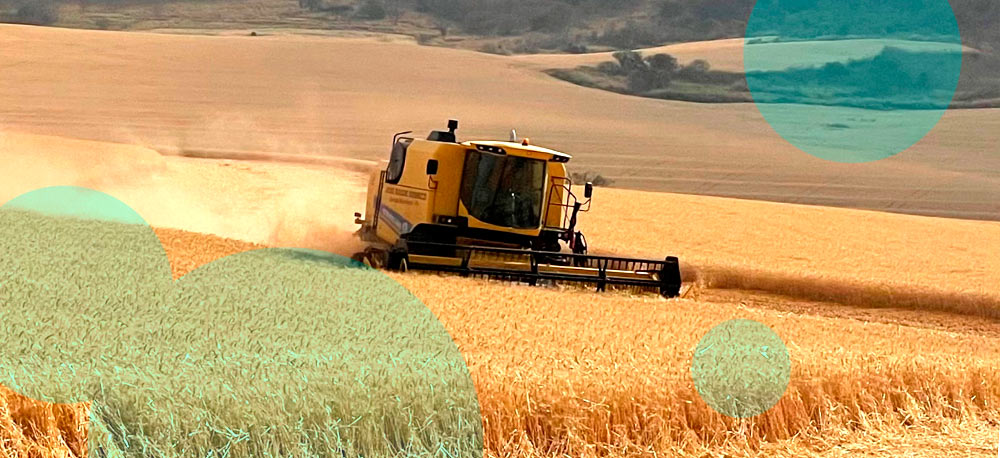
Corn dominated the crop insurance market by crop type in 2025, with a 28.7% revenue share. Major agricultural countries grow corn at scale, and established crop protection schemes support broad coverage among corn producers. Fruits and vegetables represent the fastest-growing crop type segment, with a 9.53% CAGR, as growers seek protection against droughts, floods, pest attacks and unstable weather.
Multi-peril crop insurance led by coverage type in 2025, accounting for 42.6% of the market. MPCI covers several agricultural risks, including drought, disease and production-related uncertainty.
Revenue protection insurance is the fastest-growing coverage segment, with a 9.27% CAGR, as more farmers seek protection against both yield losses and market price volatility.
Conventional agriculture held the largest share by farming practice in 2025, at 74.2%. Its lead reflects wide adoption, extensive cultivated land coverage and insurance systems already built around conventional farming.
Crop insurance market by coverage and farming practice
| Category | Segment | Market position | CAGR | Growth driver |
| Coverage type | Multi-peril crop insurance | Largest segment | 7.7% | Coverage for drought, disease and production uncertainty |
| Coverage type | Revenue protection insurance | Fastest-growing segment | 9.3% | Demand for yield and price volatility protection |
| Farming practice | Conventional agriculture | Largest segment | 10.5% | Broad cultivated land base and existing insurance systems |
| Farming practice | Organic farming | Fastest-growing segment | 12.5% | Consumer demand for sustainable food and wider organic acreage |
Organic farming is the fastest-growing farming practice segment, with a 12.49% CAGR from 2026 to 2035. Consumer demand for sustainably produced food, more organic acreage and the need to manage production uncertainty all support that growth.
Government-sponsored insurance programs led the crop insurance market by provider type in 2025, with a 54.8% share. Public support, policy backing and premium subsidies drive participation.
Private insurance companies are forecast to post the fastest CAGR at 10%, driven by demand for customized insurance products and stronger use of technology.
Insurance agents and brokers dominated distribution
Insurance agents and brokers dominated distribution in 2025, with 56.3% of revenue. Farmers still rely on personal guidance, policy recommendations and support through the insurance process.
Digital platforms are forecast to grow at the fastest CAGR, 13.3%, as agricultural services move online, smartphone adoption rises and farmers seek simpler online insurance access.
According to Beinsure analysts, crop insurance is moving toward a more data-led model, even in markets where government support still anchors growth.
AI-based risk scoring, satellite monitoring and farm-level analytics aren’t side tools anymore. They increasingly shape underwriting, pricing and claims handling across major agricultural markets.
FAQ
What is the forecast size of the global crop insurance market by 2035?
The global crop insurance market is projected to reach $106.2 bn by 2035, up from $48.5 bn in 2025, with an 8.2% CAGR.
What drives growth in crop insurance?
Growth comes from higher climate volatility, more extreme weather losses, government-backed insurance programs, precision farming and AI-based risk assessment.
How large is the US crop insurance market?
The US crop insurance market was valued at $14.2 bn in 2025 and is expected to reach $26.7 bn by 2035, growing at a 6.6% CAGR.
What is the outlook for Europe’s crop insurance market?
Europe’s crop insurance market is forecast to grow from $13.1 bn in 2025 to $27.2 bn by 2035, supported by climate risk, public risk programs and wider insurance adoption.
Which region is growing fastest?
Asia Pacific is the fastest-growing crop insurance market, with a projected 10.3% CAGR, driven by agriculture dependence, climate exposure and digital farming adoption.
Which crop type leads the market?
Corn led the crop insurance market in 2025 with a 28.7% revenue share, supported by large-scale cultivation and established crop protection programs.
Which distribution channel dominates crop insurance?
Insurance agents and brokers led distribution in 2025 with 56.3% of revenue, as farmers still rely on personal advice, policy selection support and claims guidance.