Follow Beinsure

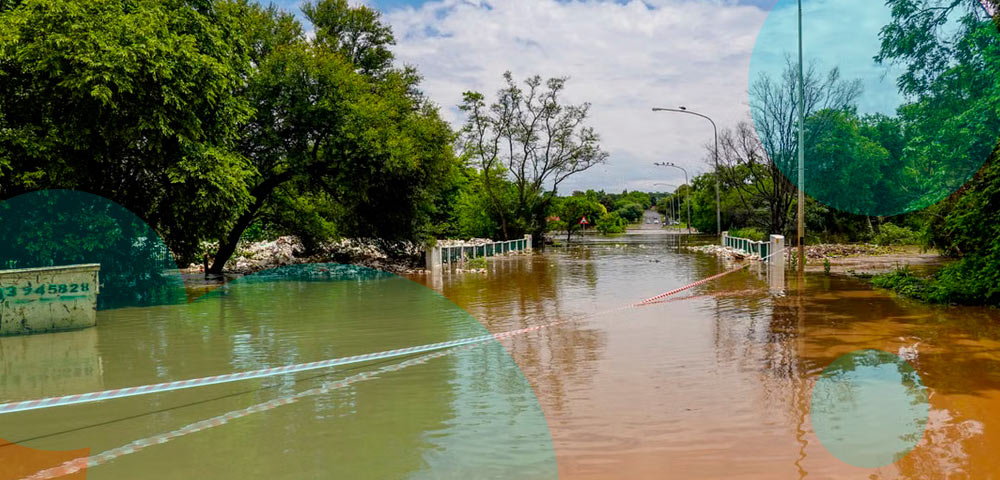
Deadly floods across South and Southeast Asia have killed more than 1,300 people and caused at least $20 bn in damage since late last month, according to Bloomberg estimates.
The scale of destruction highlights how climate risk keeps rising for some of the world’s fastest-growing economies.
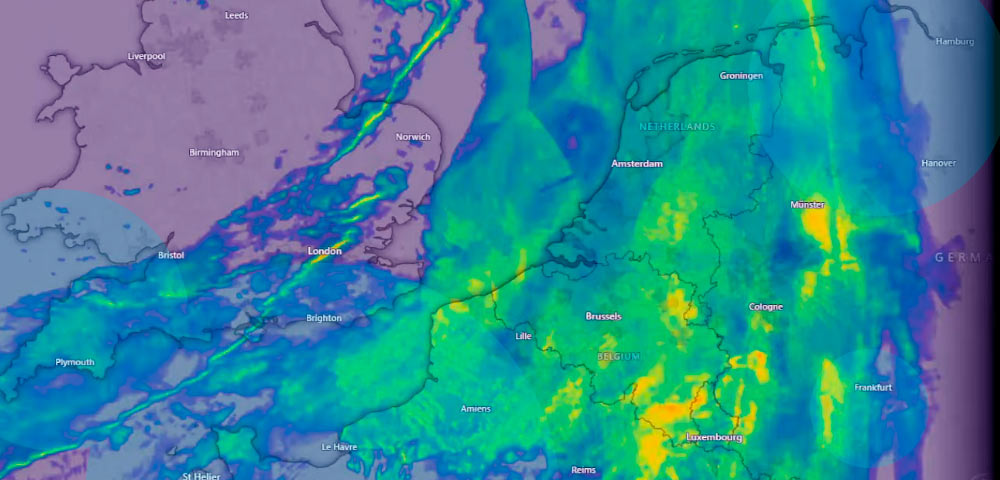
Three tropical cyclones hit the region in quick succession, colliding with the northeast monsoon and producing rainfall levels unseen for decades in some areas.
The result stretched from Sri Lanka to Indonesia. Homes collapsed, roads and rail lines washed out, crops were wiped away, factories slowed or shut down, tourist districts went underwater.
Asia floods cause $20 bn losses
Scientists and analysts point to climate change as a force multiplier, layered on top of long-standing weaknesses.
Deforestation, underbuilt flood defenses, and chronic underfunding of disaster preparedness all made the damage worse.
Davide Faranda, research director in climate physics at France’s National Center for Scientific Research, said climate change is clearly intensifying flooding across Southeast Asia. He led a recent study examining Vietnam’s floods in November.
BMI, a research firm under Fitch Solutions, warns the region faces a growing threat from compound disasters, where multiple extreme events hit in close succession. Those scenarios, BMI says, will become more common and more destructive.
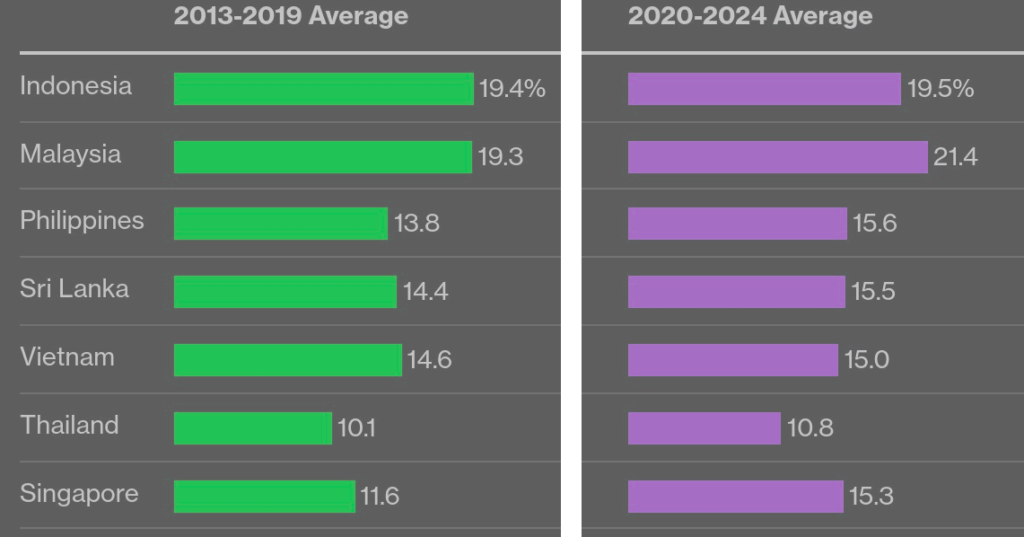
Exposure already runs high. About 21% of Malaysia’s population lives in flood-prone areas. Indonesia sits near 20%. Singapore, Vietnam, the Philippines, and Sri Lanka hover around 15%.
BMI analysts note those shares exceed levels seen in the mid-to-late 2010s and will keep rising as warming accelerates and urban populations expand.
Risk rankings tell a similar story. Germanwatch lists the Philippines, Myanmar, and Vietnam among the 10 countries most affected by climate change last year. The pattern isn’t new. The intensity is.
Progress on climate adaptation lags much of the world. Helen Nguyen, an environmental engineering professor at the University of Illinois Urbana-Champaign, said rapid development across Southeast Asia often sidelined planning and resilience.
The political fallout shows most clearly in the Philippines, where a multibillion-dollar corruption scandal tied to flood mitigation funds sparked public anger.
Infrastructure projects stalled. Investor confidence weakened. Economic growth slipped to its lowest level in four years.
So far, the impact on industrial output looks limited, though the full picture remains unclear. The $20 bn loss estimate covers only last month and relies on early government and analyst data.
Revisions likely follow. For context, seasonal floods caused roughly $25 bn in losses across Asia-Pacific last year, according to insurance broker Aon.
Capital Economics said the region’s major commercial and industrial hubs appear largely intact, unlike Thailand’s 2011 floods that slammed Bangkok-area factories and triggered a double-digit GDP drop.
Supply chain disruptions this time should stay modest and temporary.
Agriculture remains a wild card. Crop losses could lift food prices, even as some producers hold ground. Vietnam’s coffee sector, for example, still expects higher output and exports despite harvest delays caused by flooding.
Recovery will strain public finances. Thailand and Indonesia already struggle to stimulate domestic growth without blowing out budgets. Sri Lanka continues to rebuild after its 2022 debt default. Disaster response adds pressure everywhere.
HSBC Asia chief economist Frederic Neumann said the region knows severe weather, but the frequency and scale have changed.
Governments now divert more fiscal resources toward infrastructure hardening and resilience. For poorer economies, that often means cutting spending elsewhere.