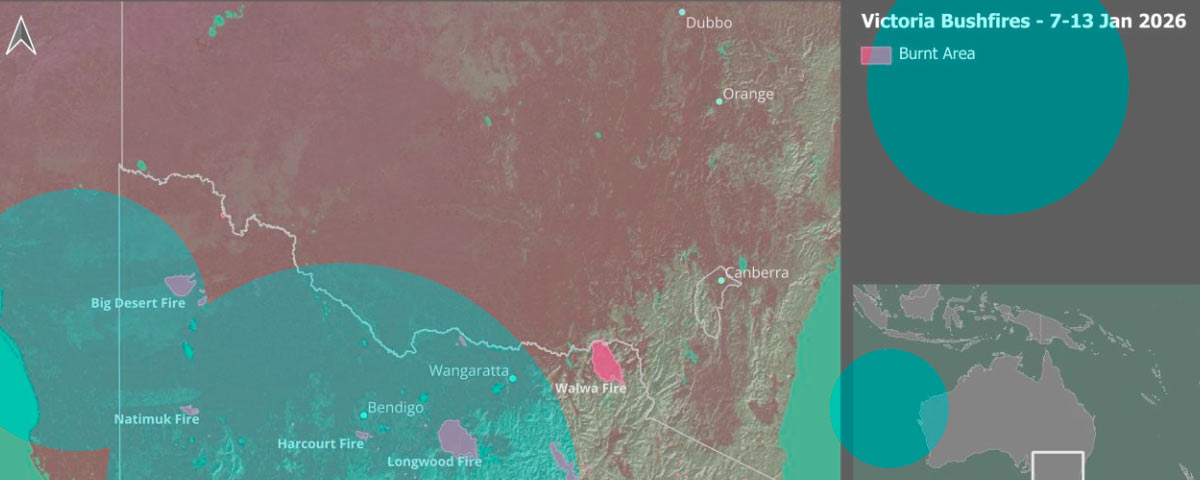
PERILS, the Zurich-based catastrophe insurance data provider, has issued its second industry loss estimate for the Victoria bushfires which hit between 7 and 13 January 2026.
Based on loss data collected from affected insurers, PERILS now puts the insurance market loss at AUD 810 mn.
The figure is up from the initial estimate of AUD 786 mn released on 26 February 2026, six weeks after the event ended. Under PERILS’ Australia coverage definition, the estimate covers property and motor hull lines.
The organisation will release its next update on 13 July 2026, six months after the event end date.
South-eastern Australia faced extreme heat during 7 to 13 January, creating conditions for multiple bushfires across rural Victoria.
According to PERILS, the second estimate is based on insurer-reported loss data and reflects an industry loss of AUD 810 mn from the fires.
More than 30 major bushfires broke out across Victoria in January 2026, burning about 400,000 hectares. The most destructive period came between 7 and 13 January. During that stretch, 900 buildings were destroyed, including 330 homes. Infrastructure was damaged, more than 20,000 livestock were lost, and one person died.
Darryl Pidcock, Head of Asia Pacific at PERILS, said the event was less severe than the Black Summer fires of 2019 and 2020, though it marked the first major bushfire event for the insurance industry in six years. He said most catastrophe losses during that period came from wet events such as cyclones, floods and severe convective storms.
Major research has followed the Black Summer fires, along with efforts by insurers and government to improve awareness and risk mitigation for rural properties.
He added this event differed from the 2019-2020 fires because it was concentrated mainly in grassland areas and driven by extremely dry grasses and intense winds, with fire speeds reaching up to 25 kmph at peak.
He also said the next loss report, due on 13 July 2026, will include more detailed information by postcode and coverage type. That should give the market a clearer view of the damage and support further development of bushfire models.