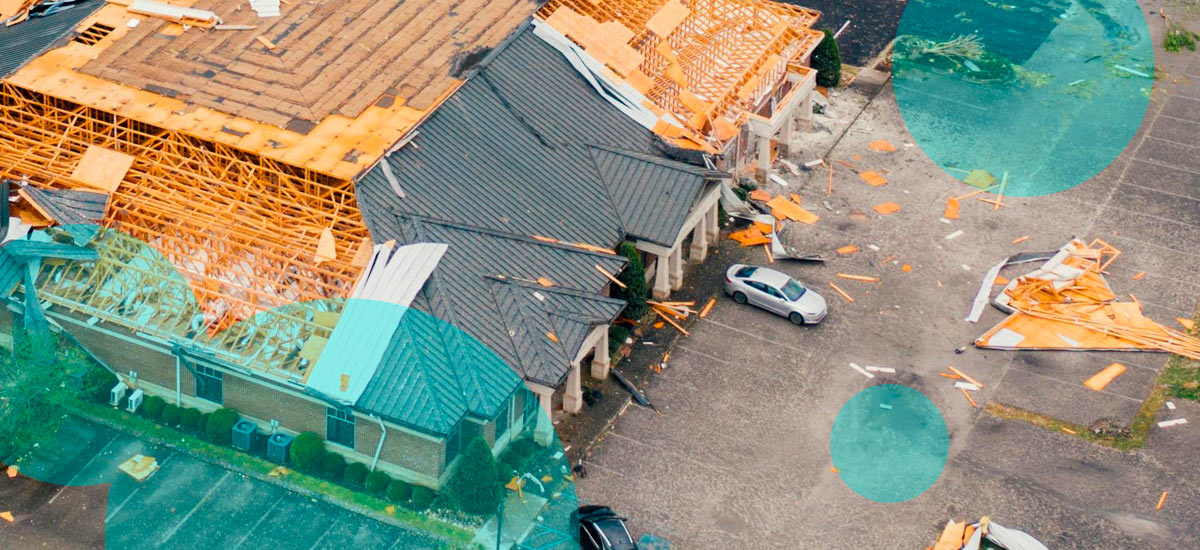
Meteorologists expect about 13 named Atlantic storms this season, slightly below average. On paper, that looks like a softer year for the US power grid and the households, hospitals, data centres, insurers, and businesses tied to it, according to Bloomberg.
Recent hurricane seasons show that the number of named systems, with the season starting June 1, does not reliably predict the scale of power infrastructure damage, according to a BloombergNEF research note by Hayley Lai, grids and utilities analyst.
Local infrastructure matters as much as storm strength, and often more. Dense transmission networks, exposed substations, older poles, remote terrain, and limited access roads turn a storm into a long repair job.
Power lines, towers, poles, transformers, and related supplies often take weeks to secure. In some cases, replacement costs run as high as $5 mn per mile.
Hurricane Helene showed the problem clearly. In September 2024, the storm knocked out power for more than 7 mn customers across 10 states, with damage and deaths stretching from Florida to Indiana.
North Carolina suffered the heaviest toll, with 108 deaths, more than double South Carolina’s 50.
In many parts of North Carolina, infrastructure damage was total. Duke Energy’s senior vice president of grid services, Brian Naumuk, described Helene as more transmission-intensive than any storm the company had seen before. At the height of the event, more than 350 substations were affected.
Yet Helene still does not rank among the three US storms since 2020 with the longest power restoration times. Hurricane Ida, which made landfall in southern Louisiana in August 2021, later became the second-deadliest storm on record in New Jersey, where 32 people died. Crews needed 124 days to restore power fully after Ida. Helene took 33 days.
That gap matters for insurers and utilities. Damage severity does not always translate into the longest outage, because access, equipment availability, network design, and workforce logistics shape recovery. It’s messy, and expensive.
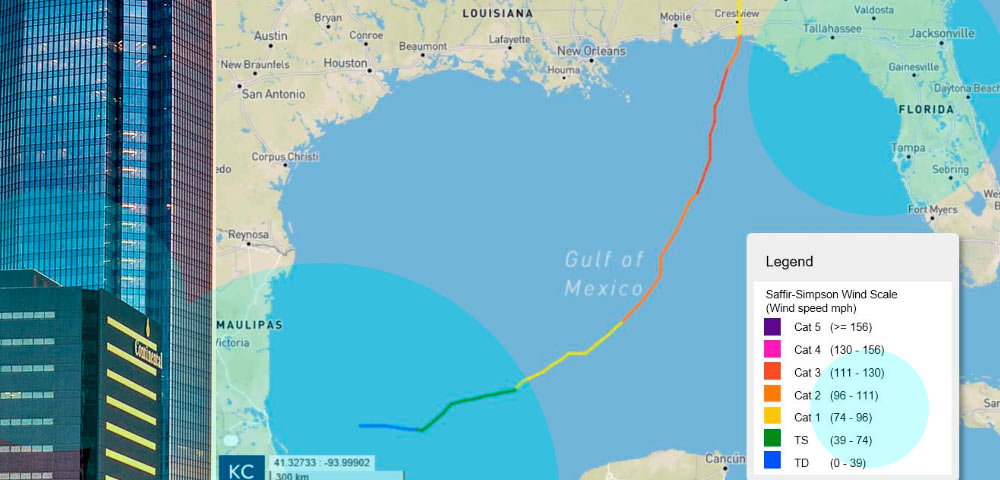
Category 4 Helene put 9,138 miles of US transmission lines out of service. Several weeks earlier, Hurricane Beryl reached Category 5 wind speeds over the Caribbean Sea before moving onto the Gulf Coast, but it affected only 1,536 miles of transmission lines.
Helene also caused 2.5 times more transmission damage than Hurricane Zeta, a Category 3 storm that made landfall on the Yucatán Peninsula in October 2020 and later hit Louisiana. Stronger winds do not automatically mean wider grid damage.
Utilities have responded by spending more to bury power lines and harden assets against tropical storms, wildfires, and other severe weather.
BloombergNEF data show spending on undergrounding rose 80% during the 2010s and exceeded $9.3 bn in 2024.
According to Beinsure analysts, undergrounding reduces some outage risks, but it shifts costs into rate plans, capital budgets, and regulatory debates.
For insurers, the issue extends beyond property damage. Long outages create business interruption exposure, claims inflation, emergency-service pressure, and higher recovery costs across affected regions.
Lai names Duke and Florida Power & Light among utilities that have increased storm-resilience spending in recent years. The strategy looks defensive, not optional, as storms keep exposing weak points across local grids.
Even with a lighter hurricane outlook this year, she said, severe damage and extended outages remain a live risk.