Follow Beinsure
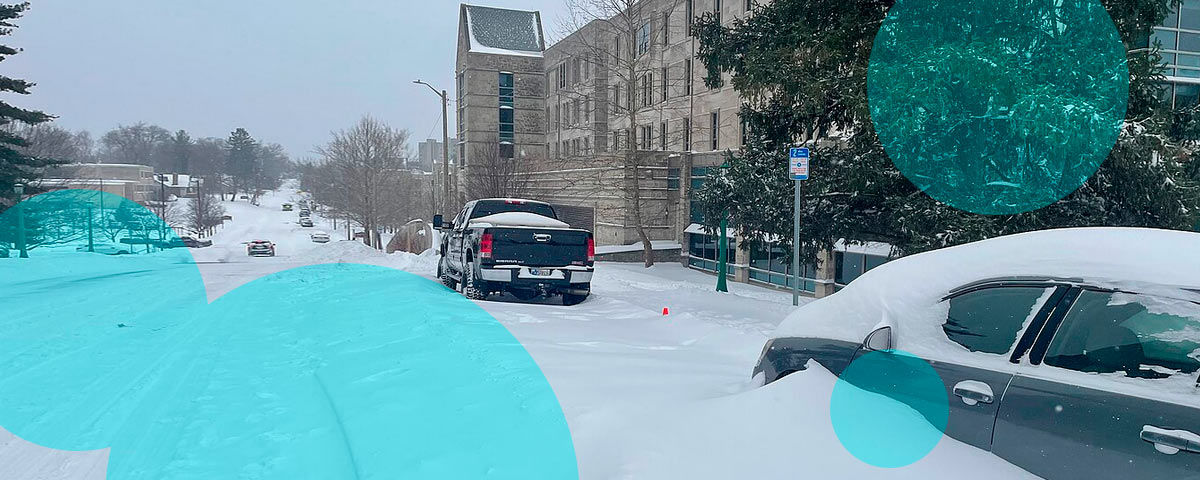
Karen Clark and Company estimated privately insured losses from Winter Storm Fern at $6.7 bn. The storm spread snow and ice across more than 30 US states, producing wide-ranging property damage during late January.
The estimate draws on the firm’s high-resolution US Winter Storm Model. It covers privately insured losses to residential, commercial, and industrial properties, including damage from freeze conditions, snow and ice accumulation, and wind.
KCC traced the event back to January 23, when an Arctic air mass pushed south and drove temperatures sharply lower across the Great Plains and Midwest.
Along the boundary between that cold air and warm, moisture-heavy flow from the Gulf, a low-pressure system formed and developed into Winter Storm Fern.
Warm air riding over denser Arctic air produced extensive sleet and freezing rain from Texas through the Carolinas.
KCC reported ice accumulations of at least one inch across parts of northwestern Alabama, northern Louisiana, northern Mississippi, and Oklahoma, levels sufficient to strain infrastructure and vegetation.
Fern advanced northeast on January 24 and 25, delivering heavy snowfall from Arkansas through Maine. Additional freezing rain affected the Carolinas and Mid-Atlantic as the system moved along its track. During this period, Arctic air expanded across roughly two-thirds of the country.
KCC identified freeze damage as the dominant loss driver, followed by snow and ice. Freezing rain worsened impacts by adding ice weight, which brought down trees and powerlines.
Power outages spread from east Texas through Kentucky and extended into southern New Mexico.
The highest customer-level outage rates occurred along a corridor stretching from northern Louisiana through northern Mississippi into western Tennessee.
KCC noted that prolonged outages increased exposure to cold-related damage, especially burst pipes inside unheated buildings.
Texas recorded some of the sharpest cold anomalies during the event. Austin, San Antonio, and Houston all reached record low temperatures, intensifying freeze losses in regions less accustomed to sustained cold.
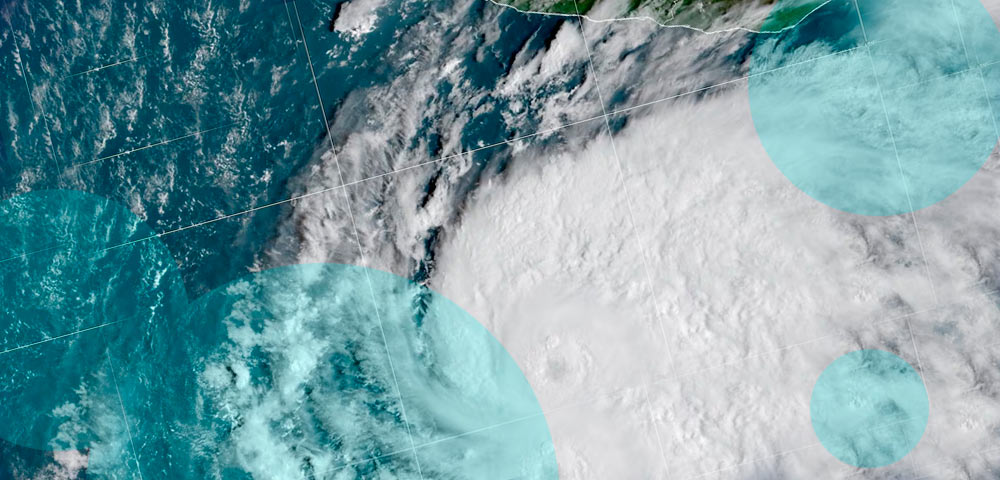
Between January 23 and January 27, 2026, a massive winter system unofficially known as Winter Storm Fern delivered widespread ice and snow across an unusually long geographic corridor.
The storm extended from northern Mexico through the southern and northeastern United States and into Canada, disrupting daily life across much of North America.
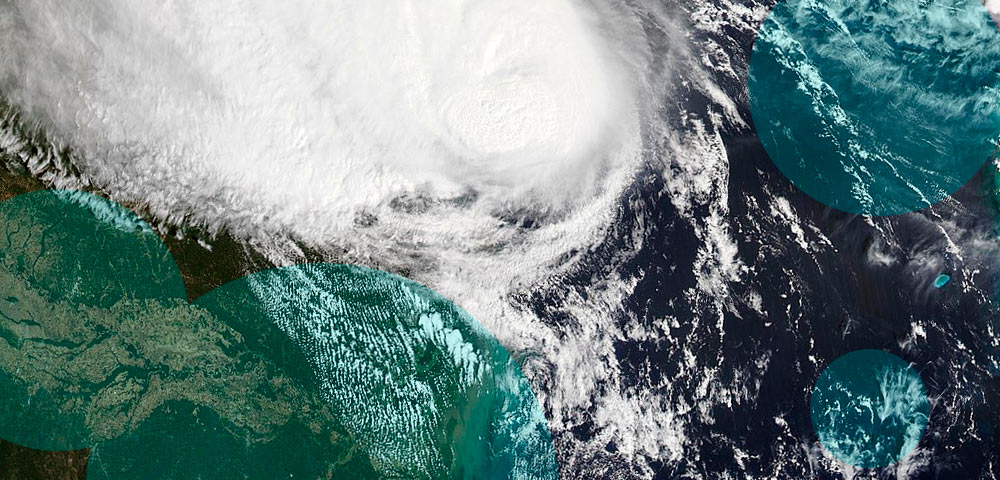
The system began forming on January 22, partly driven by an upper-level low, and moved steadily east across the central United States. As it progressed, it produced an expansive band of winter precipitation, covering multiple climate zones with snow, sleet, freezing rain, and rain.
By January 25, the storm reached the Northeast and began transitioning into a nor’easter. Heavy snowfall and strong winds persisted across New England even as the system pulled away from the coast the following day.
Many regions experienced overlapping hazards as precipitation types shifted rapidly with temperature gradients.
Meteorologists described the event as potentially historic due to its scale and intensity. At its peak, the storm stretched close to 2,000 miles in length, running from the Mexico–United States border deep into eastern Canada. Few winter systems in recent decades matched that spatial footprint.
Government response escalated quickly. Governors in 24 US states issued emergency declarations as conditions deteriorated. Winter weather alerts covered a similarly vast area, affecting as many as 230 mn people across the continent.
Transportation systems absorbed heavy disruption. More than 10,000 flights across the United States were cancelled or delayed as airports struggled with snow, ice, and staffing constraints.
Several states imposed travel bans to limit accidents and ease pressure on emergency services.
According to Beinsure analysts, the combination of geographic reach, mixed precipitation, and prolonged duration places Winter Storm Fern among the most disruptive winter weather events in recent North American history.