Follow Beinsure
Australia’s Cyclone Reinsurance Pool (CRP) has eased some of the premium pain in the north, but the Insurance Council of Australia warns the system won’t hold unless the country digs deeper into resilience and mitigation.
The council lodged its view in the statutory review of the Terrorism and Cyclone Insurance Act 2003, saying the CRP helps, sure, but it only works as part of a wider push that trims actual physical risk.
The review, the first for the CRP, looks at whether the scheme has improved access and affordability for communities sitting under heavy cyclone exposure.
Since launching in 2022, it has shaved premiums meaningfully. ARPC estimates cuts of up to 39% for properties in the highest risk tier. That sort of drop gets attention fast.
Access has lifted too. Home insurers have been accepting more quotes across all risk bands.
The highest risk areas logged a 27% rise in accepted quotes, something brokers up north have been quietly cheering. But risk reduction still drives the conversation, and the industry keeps pushing for it.
According to our analysts, ICA wants tighter alignment between the CRP and mitigation programs, plus a shared evidence base that evolves over time and sharpens risk-based pricing.
The better the data, the cleaner the signals for mitigation investment. Sounds obvious, but Australia hasn’t nailed it yet.
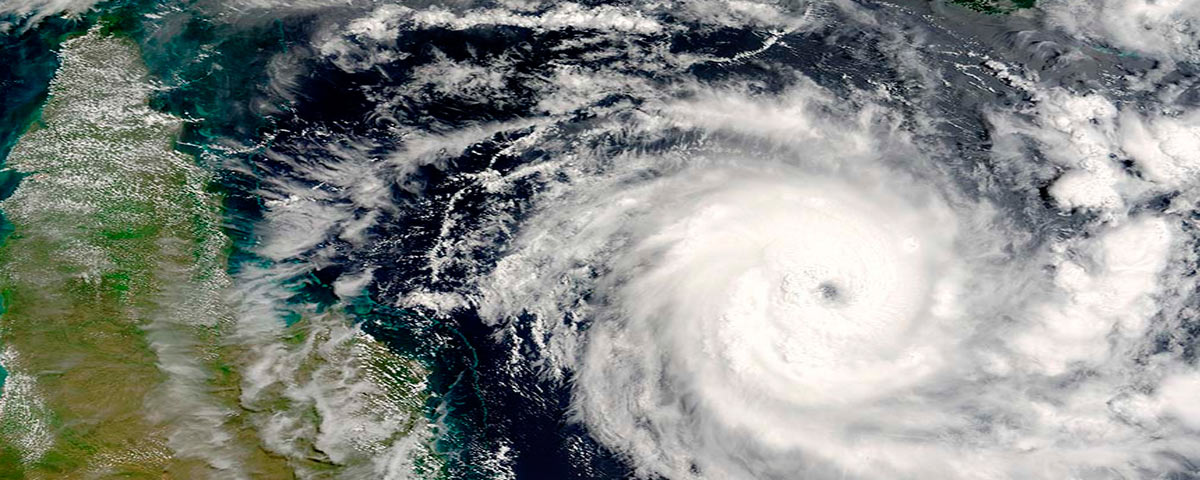
The issue sits deeper though. The CRP doesn’t change the weather. It doesn’t stop cyclones that have grown punchier over the past decade.
Without stronger resilience programs, communities stay exposed and long-term affordability becomes shaky. That’s the piece insurers worry about most.
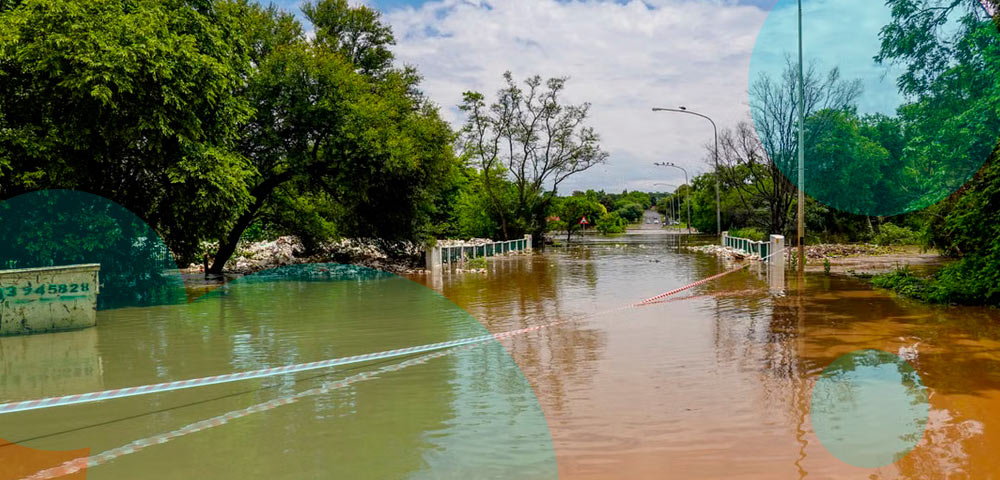
Flood risk adds another headache. ICA says 1.36mn properties in Australia face some level of flood exposure, and affordability remains brutal for many households.
Fixing that will require a joined-up strategy that mixes financial incentives, infrastructure spending, and community-level engagement. A tall order, maybe, but the alternative looks worse.
Deputy CEO Kylie Macfarlane put it plainly. Insurers are passing CRP savings through to customers, and affordability has improved where cyclone risk runs hot. But she argues the next step is clearer alignment between the pool and proven mitigation. Better data on what works. More investment in what reduces losses.
Insurers are passing on savings from the CRP to policyholders, who are seeing improvements in insurance affordability and availability, particularly in areas facing the highest cyclone risk.
Kylie Macfarlane, ICA Deputy CEO
“But more work must be done to better align the CRP with risk mitigation by leveraging data on what works and investing in risk mitigation,” Kylie Macfarlane said.
She also flagged that extreme weather keeps intensifying, and that government and industry need to operate as genuine partners if they want communities protected. We think she’s right. The pool softens prices, but only risk reduction locks them in.