Follow Beinsure
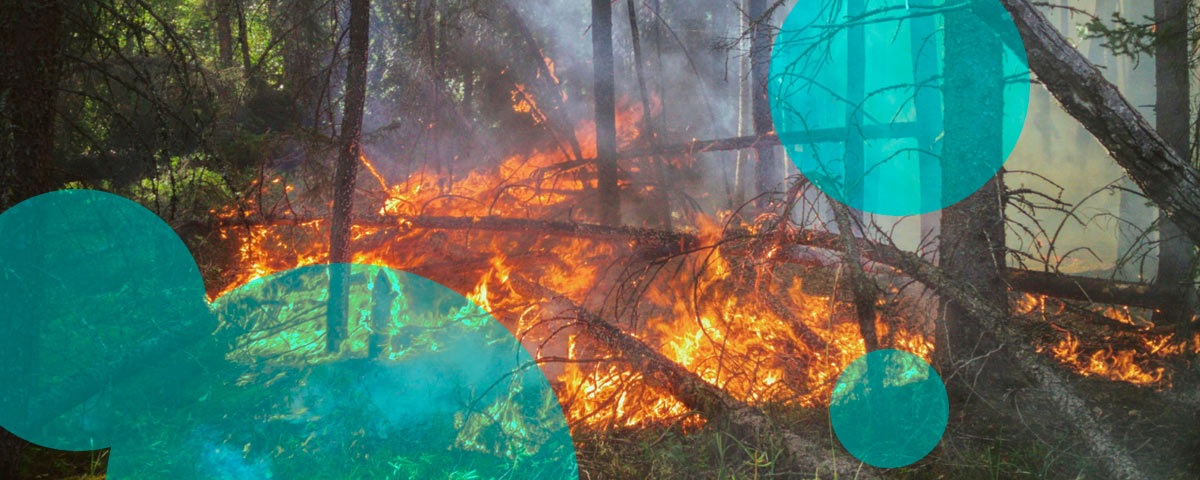
Canada’s 2025 wildfire season opened in mid-May with more than 160 active blazes, concentrated first in Manitoba, Ontario, and Saskatchewan. Two civilians were killed in Lac du Bonnet, northeast of Winnipeg, as flames swept through the community.
Manitoba and Saskatchewan declared month-long emergencies on May 28 and May 29, mobilizing resources ahead of what became a relentless summer.
By July, a second surge of fire activity forced Manitoba into another state of emergency. Fires later ignited or spread across British Columbia, Alberta, Quebec, Newfoundland and Labrador, the Yukon, and the Northwest Territories.
In early August, Atlantic Canada baked under heat waves and tinder-dry conditions that triggered wildfires across Nova Scotia, New Brunswick, and Newfoundland.
By late August, flames in BC’s interior and the Northwest Territories prompted more evacuations.
More than half the land burned in 2025 lies in Manitoba and Saskatchewan, although Alberta, Ontario, and British Columbia have each reported above-average fire counts.
Much of Denare Beach, Saskatchewan, was lost in June. The entire city of Flin Flon, Manitoba, was evacuated. Fires destroyed homes, cottages, and critical facilities, including water treatment plants.
The national scale required the Canadian Armed Forces to provide logistical and firefighting support, supplemented by hundreds of international crews.
Smoke turned skies hazardous across Canada and the United States, pushed air-quality indexes into dangerous levels in major cities, and drifted across the Atlantic, tinting European sunsets in a red-orange haze.
| Agency | Area burned | |
|---|---|---|
| hectares | acres | |
| British Columbia | 769,669 | 1,901,890 |
| Yukon | 161,972 | 400,240 |
| Alberta | 674,994 | 1,667,950 |
| Northwest Territories | 897,552 | 2,217,900 |
| Saskatchewan | 3,032,774 | 7,494,150 |
| Manitoba | 2,115,147 | 5,226,640 |
| Ontario | 594,959 | 1,470,180 |
| Quebec | 5,114 | 12,640 |
| Newfoundland and Labrador | 20,303 | 50,170 |
| New Brunswick | 2,510 | 6,200 |
| Nova Scotia | 8,561 | 21,150 |
| Prince Edward Island | 0 | 0 |
| Parks Canada | 40,344 | 99,690 |
| Total | 8,323,899 | 20,568,802 |
Scientists have long recognized fire as a natural boreal process. Yet rising temperatures, prolonged drought, and lengthened fire seasons tied to climate change are intensifying both scale and frequency.
Some 2025 fires reignited from 2023 “zombie” blazes that smoldered underground through winter.
By mid-June, 2025 ranked on pace to become the second-worst fire year in recorded Canadian history for both carbon emissions and area burned. By August, it had already eclipsed 1989, trailing only the catastrophic 2023 season.
Wildfire season hits Canada
Zombie fires and drought push Canada’s wildfire risk to extremes
Wildfires may be part of the boreal cycle, but Canada’s 2025 season shows how climate change has shifted the baseline. By late July, 71% of the country sat in abnormally dry conditions, nearly matching the historic drought of 2023. That dryness primed forests for what turned into one of the most destructive seasons ever recorded.
The legacy of 2023 refused to die. Overwintering “zombie” fires smouldered under snow in Alberta and British Columbia, reigniting in 2025 — in some cases two full years after they first started.
Fire researcher Mike Flannigan said it was the first time he’d ever seen underground fires survive that long. In early June, British Columbia’s wildfire service still tracked 49 such fires near Fort Nelson.
Saskatchewan faced its own unique setup: snow that melted fast while the ground remained frozen, leaving little moisture to soak into soil.
The water evaporated quickly, setting up drought conditions
Trees and grasses sprouted, dried, and turned to fuel. Add in sudden shifts in temperature and you get the perfect accelerant.
Spring fires are often human-made — campfires abandoned, machinery too hot, sparks in dry grass. By summer, lightning tends to dominate as the trigger.
Both hit harder now that warmer weather arrives earlier, before deciduous trees have their leaves to hold moisture. With more exposed fuel, springtime fire risk has grown.
The stakes aren’t confined to forests. About 14.3% of Canadian buildings sit directly in the wildland–urban interface, and nearly 79% lie within a kilometre of it. Which means homes, communities, and infrastructure stand in the path when flames jump the tree line.