Follow Beinsure

CatIQ has released its fifth industry loss estimate for the flooding that hit Ontario and Quebec from August 9–10, 2024.
The flooding followed the remnants of Hurricane Debby and has generated total insured losses of C$2.806 bn, a slight decrease from the previous estimate of C$2.817 bn released six months after the event.
The estimate, published a year after the disaster, includes both residential and commercial property claims, as well as motor vehicle losses. CatIQ’s updated report provides a breakdown of insured losses by Forward Sortation Area (FSA).
The sixth and final industry loss report will be released on August 11, 2026, in line with the two-year post-event reporting cycle.
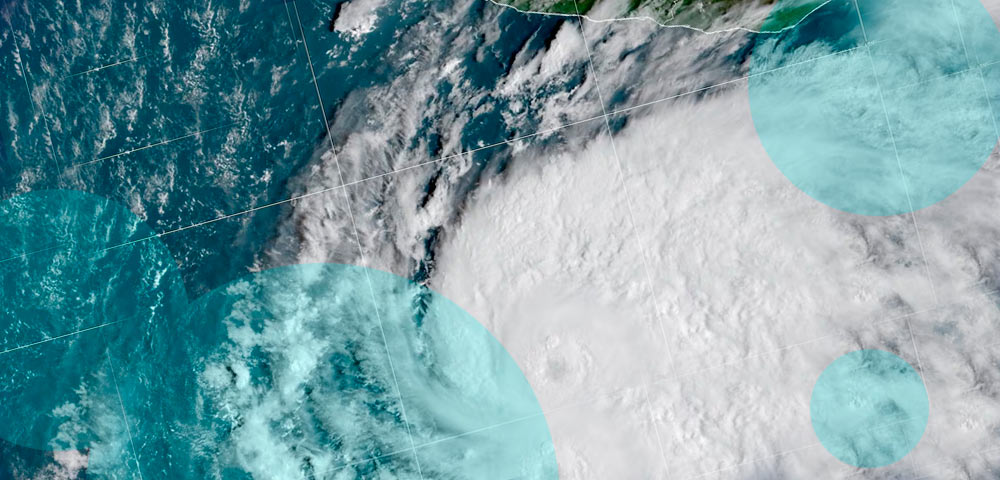
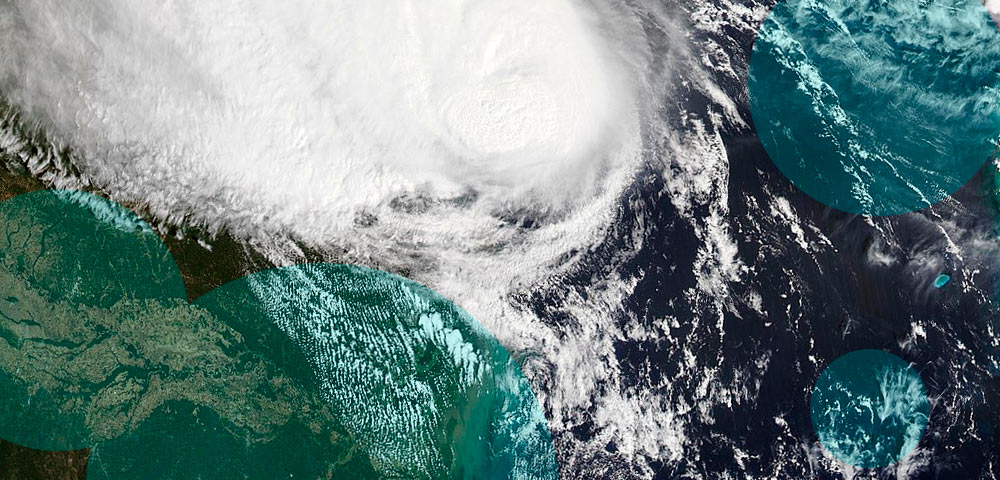
- Hurricane Debby formed as a tropical depression on August 1, 2024, before moving through the western Caribbean and the southeastern U.S. On August 7, a large atmospheric trough redirected the weakening cyclone toward the Great Lakes region.
- Over the following three days, eastern Ontario and southern Quebec received over 100 mm of rain, with some areas in Quebec recording more than 200 mm.
- The resulting floods caused extensive damage, particularly along the St. Lawrence corridor from eastern Lake Ontario through Montreal to Quebec City.
Caroline Floyd, Director at CatIQ, said the event marked an unprecedented month for Canada’s catastrophe record.
Insured losses surged by tens of thousands of claims and billions in damages. While similar post-tropical storms have hit Ontario and Quebec before, Debby’s rainfall levels set it apart—making it the third costliest insured event in Canadian history and the most expensive ever for Quebec, even when adjusted for inflation against the 1998 Ice Storm.
Floyd also noted a trend in claim resolution. “At the one-year mark, over 95% of personal property claims are now closed, which is ahead of the closure rate seen for other major catastrophes in 2024.
We’re seeing only a modest rise in claim counts, but the average claim value has slightly decreased—indicating that many settlements are nearing or hitting policy limits.
The event underscores the growing financial impact of climate-driven flood events on Canada’s insurance sector.