Follow Beinsure
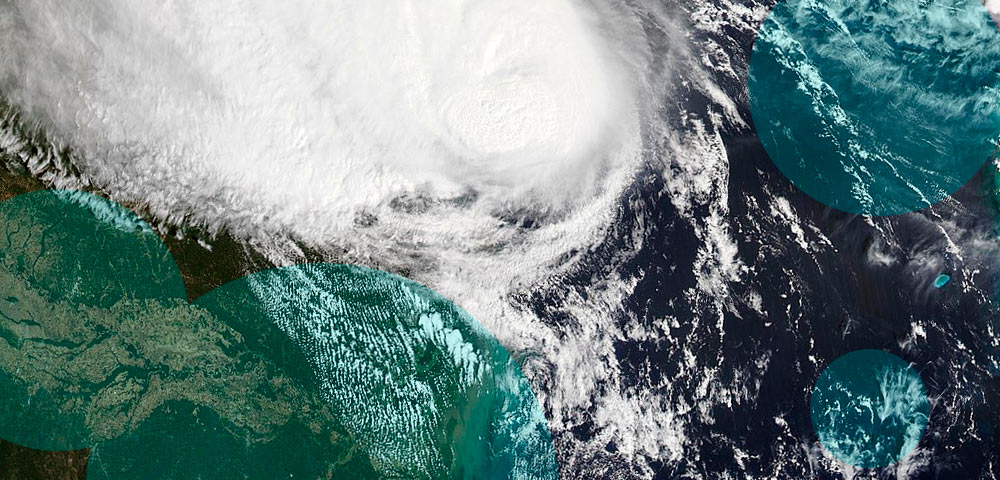
The 2026 Atlantic hurricane season has entered October without a single storm reaching hurricane strength, an unusually quiet stretch that has pushed forecasters to cut their seasonal projections. AccuWeather now sees a growing possibility that the season ends without a hurricane, something not recorded since 1914.
A strengthening El Niño has contributed to the weak Atlantic activity. AccuWeather has repeatedly revised its hurricane forecast downward as stronger wind shear and dry air have made conditions less favorable for tropical development.
Federal forecasters expect El Niño to strengthen further through the end of the year. NOAA’s Climate Prediction Center puts the probability of a very strong El Niño during fall and winter 2026-27 above 90%, with a 75% chance that the October-December period reaches a level exceeding previous El Niño events dating back to 1950.
The quieter hurricane season doesn’t remove weather risk for the southeastern US. Attention is shifting toward the winter effects associated with a strong El Niño, including heavier rainfall, flooding and greater tornado activity across parts of Florida.
Florida faces wetter winter and tornado risk
El Niño often changes the distribution of rainfall across the US, producing unusually wet conditions in some areas while leaving others drier. Spectrum Bay News 9 Chief Meteorologist Mike Clay said locations that normally receive little rain could see more precipitation, while wetter areas could experience drought.
For Florida, increased rainfall follows a period in which parts of the state have been classified between Abnormally Dry and Moderate Drought. Sudden heavy rainfall has also brought flood warnings, creating a different set of weather problems as the state moves toward winter.
El Niño winters are associated with increased severe weather across Florida. National Weather Service material cited in the original report says the state typically experiences about twice as many tornadoes during El Niño conditions.
Past strong El Niño periods have coincided with destructive Florida weather. A February 1998 tornado outbreak killed 42 people in Central Florida, while the 1997 El Niño contributed to exceptionally heavy December rainfall in Tampa, where monthly totals reached about 14 inches.
Those historical events don’t determine what happens this winter, though forecasters are watching similarities in the broader weather pattern.
The strength of the developing El Niño increases the likelihood of the wetter and more active winter conditions commonly associated with the phenomenon.
California prepares for heavy winter weather
California is also preparing for potential effects from the strengthening El Niño. Gov. Gavin Newsom declared a state of emergency on Sept. 21 to speed preparations for possible winter storms, heavy rainfall, flooding, landslides and other weather-related damage.
The proclamation allows the state to mobilize resources and accelerate preparedness measures before winter weather intensifies. California officials said the developing El Niño could become one of the strongest events in the historical record.
The contrast with the Atlantic hurricane season is sharp. El Niño has helped suppress hurricane development in the Atlantic while increasing concern about winter rain and severe weather elsewhere in the US.
AccuWeather has reduced its Atlantic forecast to zero to two hurricanes for the remainder of the season. With hurricane activity still absent entering October, attention is increasingly moving from tropical systems toward the flood, storm and tornado risks associated with a potentially historic El Niño winter.