Follow Beinsure

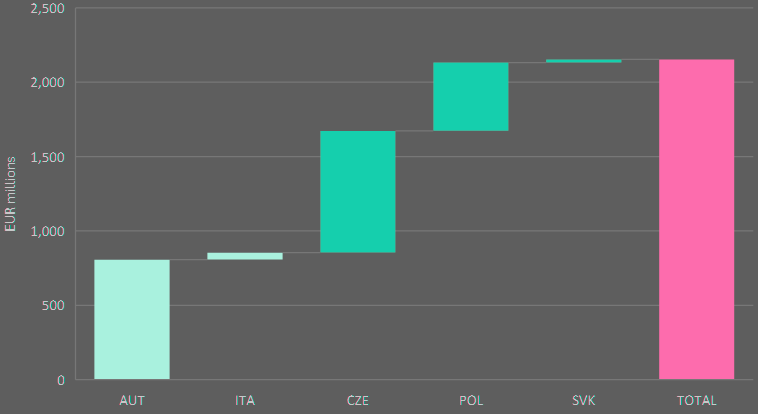
PERILS released its fourth and final industry loss estimate for the September 2024 floods that swept across Central Europe and Italy, setting the market loss at €2.15bn.
The Zurich-based catastrophe data firm had previously published figures of €1.89bn, €2.08bn, and €2.19bn over the course of six weeks, three months, and six months after the event.
The bulk of insured losses came from Austria, the Czech Republic, and Poland, with Italy and Slovakia also hit.
PERILS combined its CORE methodology, which scales insurer-supplied loss data to 100% market level, with its EXTENDED methodology, which draws on expert assessments and broader industry sources. Together, the two frameworks produced a single, final dataset for the market.
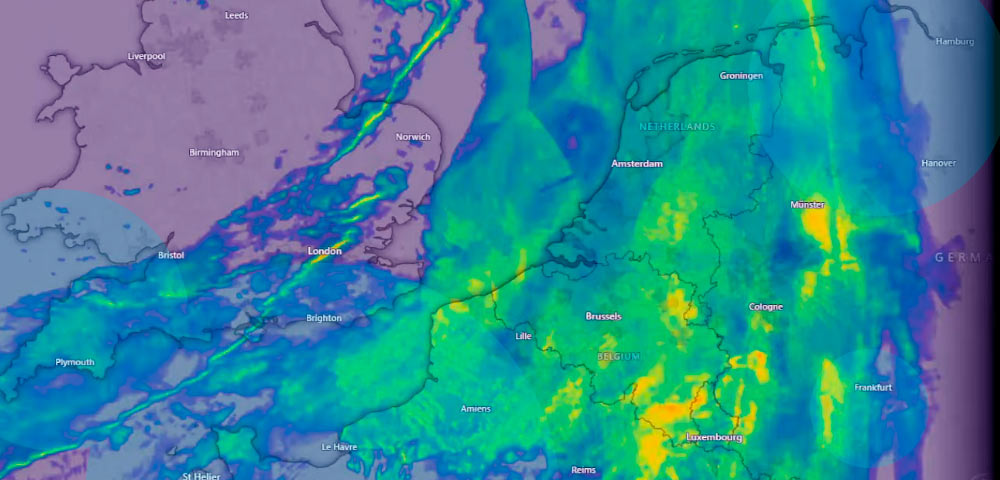
The storm system—dubbed Boris in Austria, Anett in Germany—brought relentless rainfall from Sept. 14 to 20, hitting the Danube, Elbe, Oder, and Vistula river basins.
Eastern Austria, central and eastern Czechia, and southwest Poland endured the worst impacts before the system looped into Italy, flooding Emilia-Romagna and Marche. Around 30,000 people were evacuated and 29 lives lost.
In its report, PERILS detailed property losses at CRESTA-zone and business-line resolution for Austria and Italy. For Czech Republic, Poland, and Slovakia, data is aggregated at country level. Rainfall amounts are also mapped by CRESTA zone across the affected territories.
CENTRAL EUROPE FLOODS – SEP 2024
Central Europe Floods
From 14 to 20 September 2024, Central Europe and Italy were affected by extreme rainfall. The heavy rain caused catastrophic flooding and generated major insurance industry losses predominantly in Austria, the Czech Republic and Poland, with Italy and Slovakia also impacted. In its final loss report, PERILS estimates the industry loss at €2,153 mn. Losses for the PERILS CORE countries of Austria and Italy are available by CRESTA zone and property line of business.
Luzi Hitz, product manager at PERILS, called the event remarkable on several counts. Forecast models flagged the risk early, giving time to prepare. Initial loss ranges landed close to the final outcome. And the insurance sector, working with reinsurers, managed claims efficiently.
This event was remarkable in several aspects. Firstly, it was accurately predicted by weather models well in advance, allowing sufficient time for preparation. Secondly, very early market loss estimates during or immediately after the event, often providing loss ranges, were remarkably accurate. And thirdly, the event was efficiently handled by the insurance industry in the affected countries together with their reinsurance partners.
Luzi Hitz, Product Manager at PERILS
Yet Hitz noted persistent problems: outdated policy conditions leading to under-insurance, and the broader issue of non-coverage for flood risk. Out of an estimated €7.6bn in total economic losses, a large share went uninsured.
He continued: “Nevertheless, as with every major Cat event, there are lessons to be learned. For example, there is the need to tackle outdated policy conditions resulting in under-insurance. Moreover, non-insurance of the flood peril in general means a significant portion of the overall economic loss, which we estimate at €7.6bn, remained uninsured.”
CEO Christoph Oehy highlighted how the flood underscored the value of combining CORE and EXTENDED methodologies.
He pointed to the rapid uptake of PERILS-based loss indices across the risk-transfer market—from Japan and Chile earthquakes to European windstorms.
“This event shows why accurate, market-wide data matters,” Oehy said. “And why we’ll keep tuning our approach to what the industry needs.”