Greg Lui, owner of Earthmade Computer Inc. in California’s City of Industry, has been arrested on federal charges alleging he helped smuggle more than $300 mn of export-controlled computer servers to China.
The 38-year-old San Gabriel resident, also known as Yiu Kong Lui, faces three counts: conspiracy to violate the Export Control Reform Act and Export Administration Regulations, outbound smuggling and conspiracy to commit money laundering. A federal grand jury returned the indictment on Sept. 29, and Lui was arrested Oct. 1.
Federal prosecutors allege Lui and his co-conspirators used Earthmade between 2023 and 2024 to buy high-end servers containing U.S.-manufactured graphics processing units and send them to China without required Commerce Department licenses. The shipments were presented as destined for countries including Malaysia and Singapore, where the same export licenses weren’t required.
According to the indictment, Lui knew the actual end users were in China.
Prosecutors said false documents were supplied to U.S. manufacturers identifying permissible buyers and destinations, after which freight-forwarding companies moved the servers onward to China.
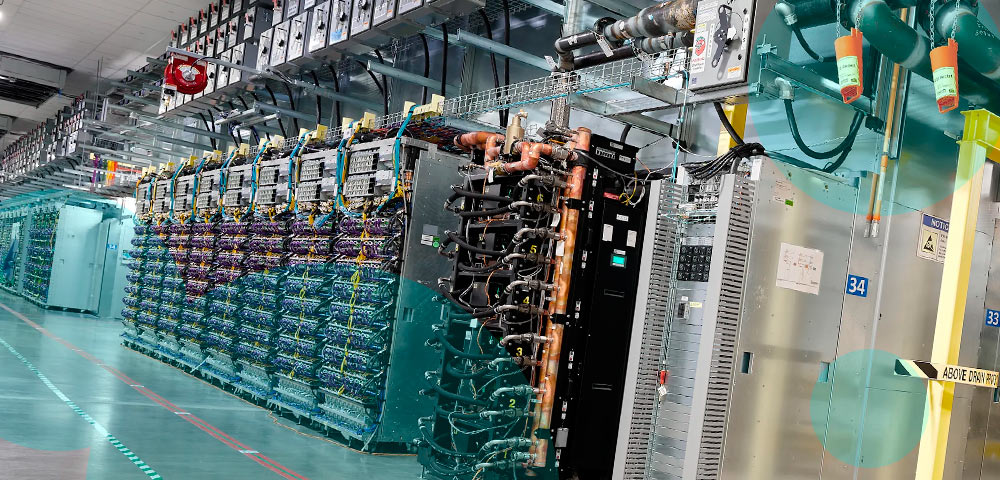
The hardware allegedly included Nvidia A100 and H100 GPUs, processors used for large-scale AI computing. Neither model is Nvidia’s newest chip, though both remain capable of processing large datasets and running or training demanding AI systems.
How prosecutors say the shipments worked
One transaction cited by prosecutors involved an order for 27 servers worth about $7.6 mn. Lui allegedly submitted the purchase order to a U.S. manufacturer in January 2024, and the servers were shipped from the Los Angeles area to Kuala Lumpur.
The packing list identified 27 servers containing export-controlled GPUs. In March 2024, a co-conspirator allegedly emailed a Malaysian government official confirming all 27 had been transferred to a buyer in China.
Another shipment involved 92 export-controlled servers allegedly routed through Singapore and Malaysia before reaching Hong Kong and eventually a company in Hangzhou. Prosecutors also identified a shipment of 100 servers containing Nvidia H100 GPUs worth more than $22 mn.
For the 100-server transaction, Lui allegedly supplied documents identifying a Malaysian buyer whose CEO was listed as Jackie Lui. The indictment alleges Lui had previously purchased another person’s identity documents and later used the identity in transactions connected with the export scheme.
Money flowing through Earthmade also forms part of the government’s case. Prosecutors allege the company received more than $176 mn from two Malaysia-based shipping companies between January and October 2024.
Bank records from accounts held with Bank of America and JPMorgan were cited in the investigation. The Justice Department is seeking forfeiture of proceeds prosecutors say came from the alleged scheme.
Lui faces up to 20 years in federal prison on the export-control conspiracy count and another 20 years on the money-laundering conspiracy charge if convicted. The outbound smuggling count carries a statutory maximum of 10 years. The charges remain allegations, and Lui is presumed innocent unless proven guilty.
Nvidia chips face tighter export controls
The case comes amid continuing U.S. restrictions on advanced computing hardware shipped to China. Export controls introduced in 2022 placed limits on sales of high-performance chips considered capable of supporting advanced AI systems and military applications.
Nvidia subsequently developed reduced-performance products for the Chinese market, though U.S. authorities later extended restrictions to additional models. The A100 and H100 chips cited in the Lui case have been subject to controls on exports to China.
Federal authorities have brought several cases involving alleged attempts to move restricted AI hardware through intermediary countries. Malaysia and Singapore have appeared repeatedly in investigations because shipments to those destinations face different licensing requirements than direct exports to China.
The Justice Department’s allegations against Lui are based on the claim that those legitimate third-country destinations were used to disguise the actual end users rather than as genuine final markets.
Nvidia faces questions over diverted hardware
Lui’s arrest has added to scrutiny of how restricted Nvidia hardware reaches China despite U.S. export controls. Nvidia said reported diversion represents less than 0.5% of its products and argued that unauthorized shipments account for a small share of China’s available computing capacity.
The company screens customers and has stopped shipments when final buyers couldn’t be established. U.S. officials and other investigators have nevertheless examined whether manufacturers and suppliers should conduct deeper checks when large orders are sent to facilities in countries neighboring China.
Recent cases have included allegations involving data centers or buyers in Taiwan, Thailand, Malaysia and Singapore. In some instances, authorities later found inconsistencies between the stated destination, the size of the purchasing facility and the subsequent movement of the servers.
Nvidia has disputed suggestions that unusual order sizes or expansion plans are enough to establish wrongdoing. The company has said growing technology businesses in permitted markets regularly buy equipment before expanding their data-center capacity.
The Lui case focuses on different conduct alleged by prosecutors: false end-user documents, third-country routing and communications indicating equipment presented as destined for Malaysia or Singapore was instead sent to China.
The Commerce Department’s Bureau of Industry and Security Office of Export Enforcement, the Defense Criminal Investigative Service and the FBI’s Counterintelligence and Espionage Division are investigating the case. Federal prosecutors from the Central District of California and the Justice Department’s National Security Division are handling the prosecution.