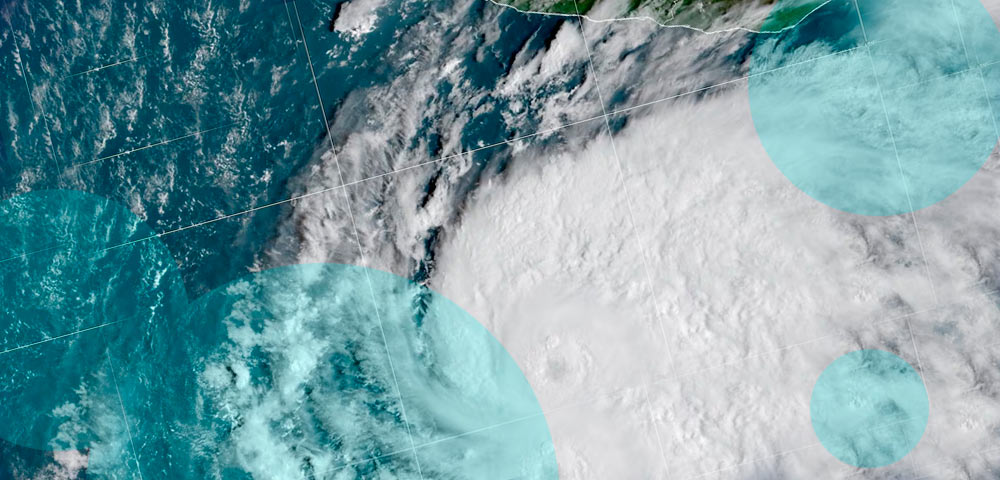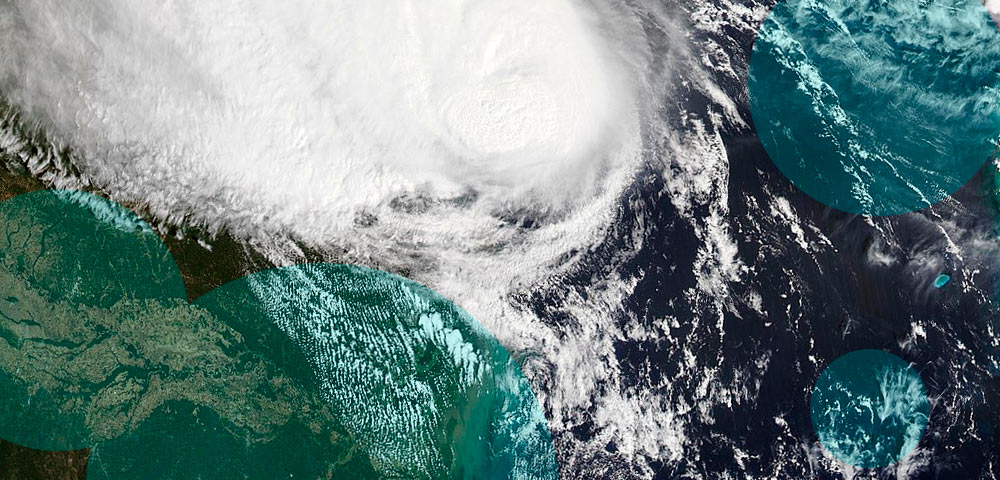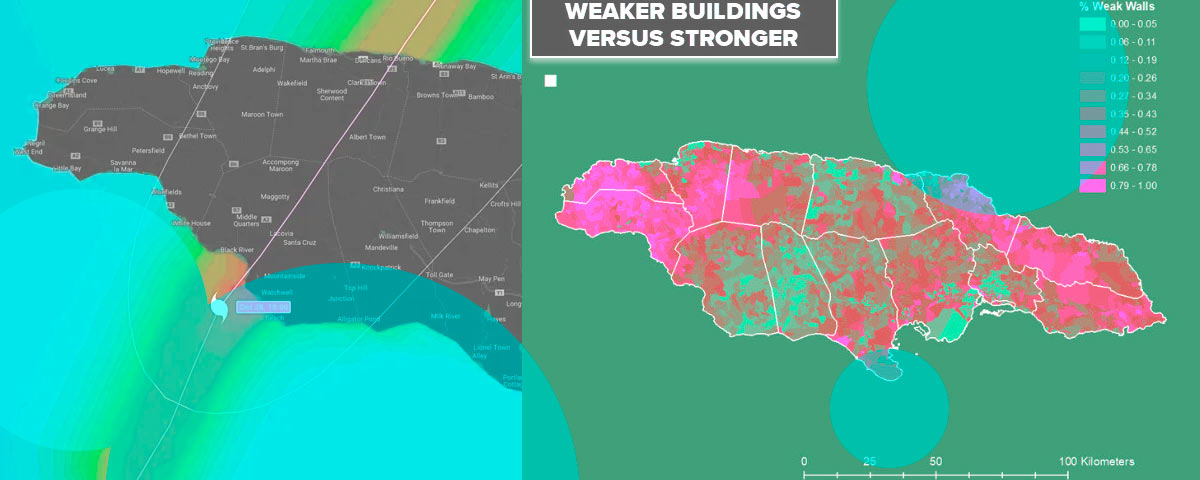
Hurricane Melissa tore into Jamaica with 185 mph winds and sheets of rain, smashing records and leaving behind a trail of economic damage that could stretch into the billions.
Yet insured losses are expected to stay low. Less than 5% of Jamaicans carry insurance coverage, according to AM Best senior director Sridhar Manyem, and that reality shapes nearly every post-storm recovery story in the region.
At 892 mb central pressure, Hurricane Melissa falls well below the trigger point.
Artemis, a catastrophe bond analytics platform, said conditions recorded across Jamaica meet the threshold for a full payout of the island’s $150 mn parametric catastrophe bond – part of the World Bank’s regional risk insurance initiative.
Manyem said several domestic insurers will take hits, though not catastrophic ones. Local carriers rely on reinsurance networks that spread their risk exposure, effectively serving as the lifeline of property underwriting across the Caribbean.
AM Best director Bridget Maehr called those arrangements “the cornerstone of profitable property writing in catastrophe-heavy markets.”
She said it’s still uncertain how this storm will ripple through reinsurance pricing, especially after such a rare Category 5 landfall.
Melissa made landfall in Jamaica on Oct. 28 – the first Category 5 storm ever to hit the country and the most intense of the 2025 Atlantic season.
By the next morning, it was battering Cuba. The Financial Services Commission of Jamaica lists 17 general and life insurers on its rolls; AM Best currently rates two of them.
Manyem noted that catastrophe modeling across the Caribbean remains messy. Inconsistent building codes, patchy data, and exposure overlap across neighboring islands make accurate modeling tough.
“Models need to account for the geographic correlation of events,” he said, warning that a single hurricane can stretch its footprint across multiple jurisdictions.
Facilities like the Caribbean Catastrophe Risk Insurance Facility have offered some relief to member governments, though not enough to close what Manyem calls a widening protection gap.
He said future progress may hinge on pairing regional macro-initiatives with more accessible microinsurance options.
Meanwhile, the United States was in the middle of a federal government shutdown as Melissa made landfall.
The National Oceanic and Atmospheric Administration still kept its hurricane updates flowing online, warning repeatedly of life-threatening winds, flooding, and storm surge.
But the shutdown froze the Federal Emergency Management Agency’s ability to renew or issue new flood insurance through the National Flood Insurance Program – leaving millions of U.S. homeowners technically uncovered during peak storm season.
A brutal storm, an underinsured region, and a timing failure across borders – not exactly the kind of alignment anyone wanted.
Strongest Atlantic Category 5 landfalling hurricanes by wind
1) Melissa, Oct. 28, 2025: Jamaica, 185 mph, 892 mb
1) Labor Day Hurricane, Sep. 3, 1935: Florida Keys, 185 mph, 892 mb
1) Hurricane Dorian, Sep. 1, 2019: Bahamas (Abaco Island), 185 mph, 910 mb
4) Irma, Sep. 6, 2017: Barbuda, St. Martin, British Virgin Islands, 180 mph, 914-915 mb; also Sep. 9, northern Cuba, 165 mph, 924 mb
5) Camille, Aug. 18, 1969: Mississippi, 175 mph, 900 mb
5) Dean, Aug. 21, 2007: Mexico (Yucatan), 175 mph, 905
5) David, Aug. 31, 1979: Dominican Republic, 175 mph, 926 mb
5) Anita, Sep. 2, 1977: Mexico (north of Tampico), 175 mph, 926 mb
5) Janet, Sep. 28, 1955: Mexico (Yucatan) , 175 mph, 914 mb
10) Maria, Sep. 19, 2017: Dominica, 165 mph, 922 mb
10) Cuba Hurricane, Oct. 19, 1924: western Cuba, 165 mph, 910 mb
10) Andrew, Aug. 24, 1992: Florida, 165 mph, 922 mb; also Bahamas (Eleuthera), 160 mph, 923 mb
13) Michael, Oct. 10, 2018: Florida, 160 mph, 919 mb
13) Felix, Sep. 4, 2007: Nicaragua, 160 mph, 934 mb
13) Gilbert, Sep. 14, 1988: Mexico (Cozumel), 160 mph, 900 mb
13) Edith, Sep. 9, 1971: Nicaragua, 160 mph, 943 mb
13) Inez, Sep. 29, 1966: Dominican Republic, 160 mph, pressure unknown
13) Unnamed, Aug. 31, 1933: Bahamas (Mayaguana), 160 mph, pressure unknown
13) Unnamed, Sep. 5, 1932: Bahamas (Abaco), 160 mph, pressure unknown
13) San Filipe Hurricane, Sep. 28, 1928: Puerto Rico, 160 mph, 931 mb