Follow Beinsure
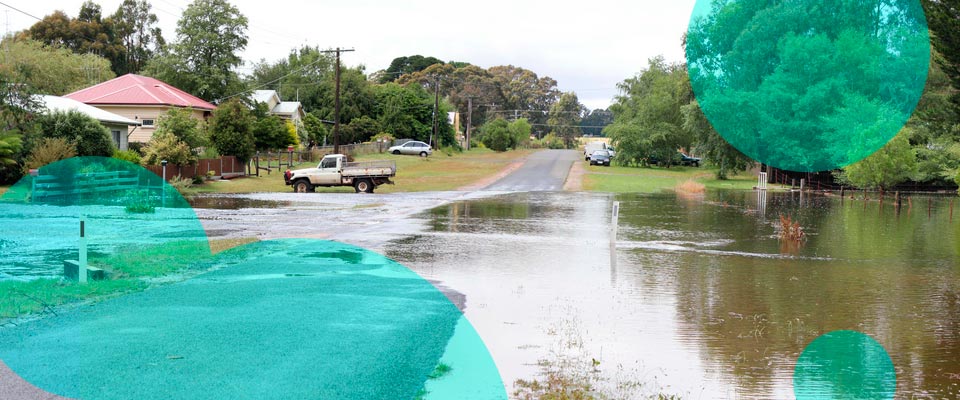
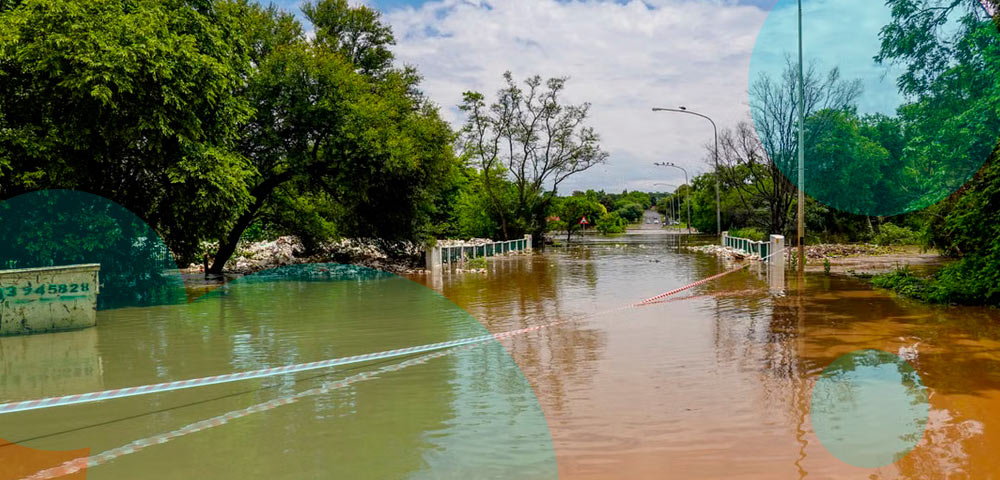
Insurance Australia Group Ltd. (IAG) has received more than 10,000 claims since its annual general meeting on Oct. 23. The spike followed a run of violent storms that tore through Queensland, New South Wales, and Victoria, said CEO Nick Hawkins.
About 5,800 of those came from RACQ Insurance. Most relate to smashed vehicles and battered property from hail.
IAG moved fast – activating its major event command center and deploying teams of assessors, builders, and repair specialists to the worst-hit zones.
The Insurance Council of Australia had already classified the late-October Brisbane storm as a significant event after insurers logged more than 11,000 claims.
The Bureau of Meteorology reported hailstones up to 2.7 inches and strong winds that tore through trees and roofs from Ipswich to Toowoomba.
“Our hail repair crews are already contacting customers to start work,” Hawkins said.
Teams are also on-site in Jindalee, one of Brisbane’s hardest-hit suburbs, helping people file claims directly. We’re putting vulnerable customers into temporary housing where needed.
According to IAG, its Australian and New Zealand operations – excluding RACQI – sit under long-term reinsurance coverage for natural events that surpass the annual non-RACQI allowance of A$1.32bn.
Combined with its quota share setup, the group holds about A$1bn in downside protection for non-RACQI weather losses.
Since acquiring RACQI on Sept. 1, IAG has maintained its standalone reinsurance program, which includes quota share and catastrophe protection.
That structure capped the net cost of the first event – the Southeast Queensland storms around Oct. 23 – at A$65mn.
We think it’s a test the company’s systems were built for. Climate volatility keeps rising, maybe faster than expected, but IAG’s risk shield seems to be holding.