Follow Beinsure

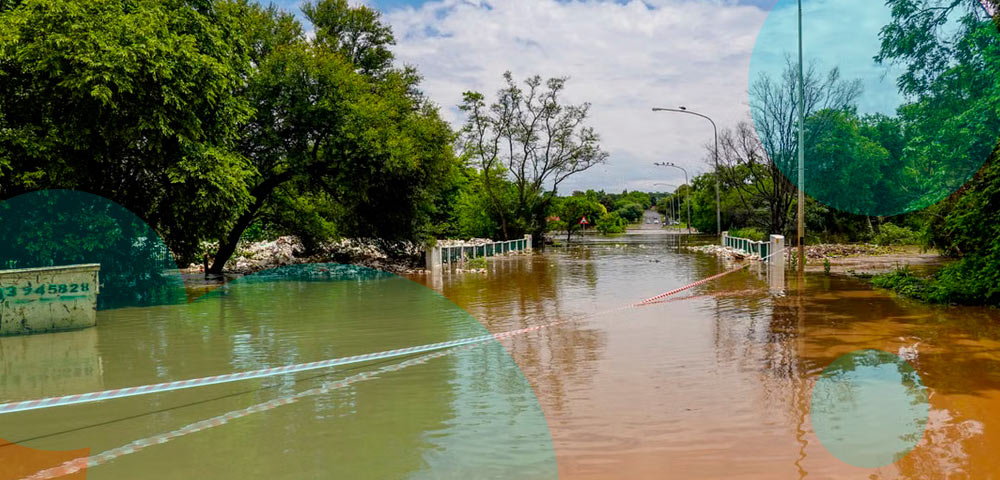
Deadly flooding across Asia and unusually early snowstorms in the United States point to the return of La Niña, a cooling of Pacific Ocean waters known for scrambling weather patterns and rattling economies worldwide.
In recent La Niña years, global disaster losses ranged between $258 bn and $329 bn, according to Aon. The totals swing year to year, but the direction doesn’t.
Extreme weather keeps driving losses higher, and insurers, farmers, and energy producers are forced to price that reality in real time.
La Niña often shows up as drought in California, Argentina, and Brazil, while pushing intense rainfall and flooding through Southeast Asia. These events increasingly shape insurance terms, agricultural output, and power demand. Risk has become less theoretical.
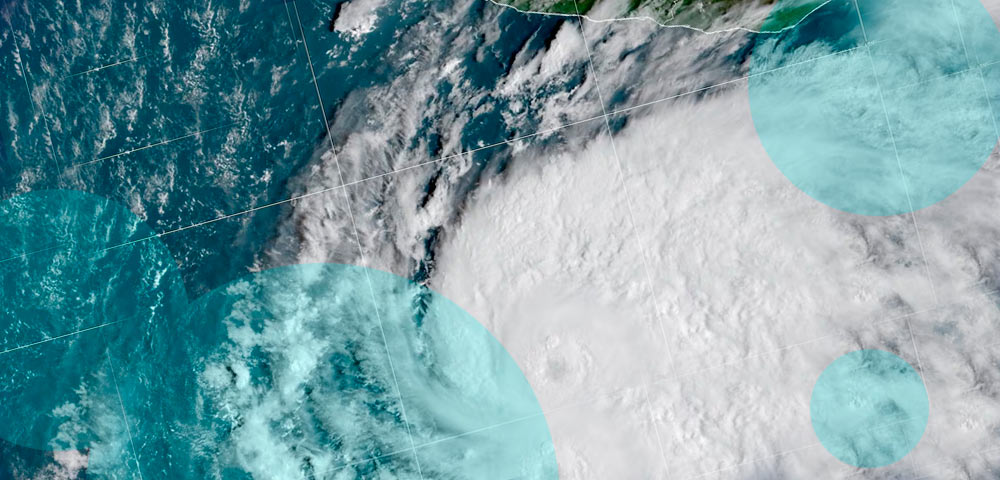
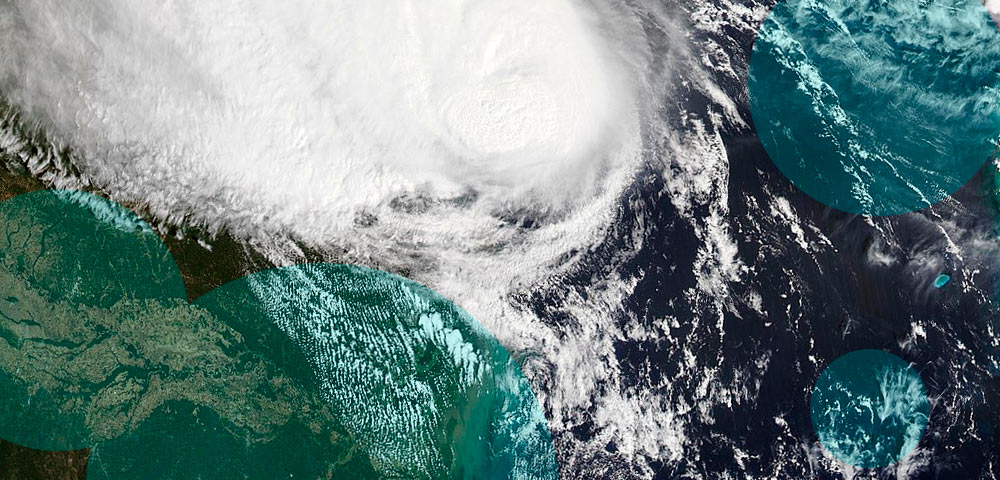
The pattern can intensify both droughts and downpours, energise tropical Pacific storms, and strengthen Atlantic hurricanes.
During earlier cycles, La Niña likely contributed to the Los Angeles wildfires in January and Hurricane Helene, which killed more than 250 people across the southern US in 2024.
Scientists caution against pinning any single disaster on one driver, but the pattern repeats often enough to stand out.
Michelle L’Heureux, a forecaster at the US Climate Prediction Center, compares La Niña to a traffic controller steering weather systems along preferred paths. She has also likened it to a conductor or a quarterback calling plays.
The structure exists, she says, but every event unfolds differently as other forces interfere. Europe, she added, usually sees limited direct impact.
La Niña is like a traffic cop in the middle of rush hour, aiding the flow of cars or weather systems in certain preferred directions,” said Michelle L’Heureux, a forecaster with the US Climate Prediction Center.
Michelle L’Heureux, a forecaster at the US Climate Prediction Center
“Even though La Niña tends to follow a general pattern, L’Heureux points out that each event is different and other factors can influence the ultimate outcome. La Niña doesn’t typically have a major influence on weather in Europe”, L’Heureux said.
This episode marks the fifth La Niña in six years, part of a longer tilt toward more La Niñas than El Niños over the past 25 years. Scientists continue to debate why. Some point to climate change. Others see natural variability. The answer remains unsettled.
Economic spillovers follow fast. Research published in Environmental Development links La Niña to reduced yields for corn, rice, and wheat.
Energy demand typically rises as colder air settles over northern regions of the US, China, and Japan, lifting fuel use and straining power systems.
Asia’s toll already looks heavy. Even a weak La Niña likely fed into a run of tropical cyclones and floods that killed more than 1,600 people and caused at least $20 bn in damage across South and Southeast Asia, according to a World Weather Attribution analysis.
Flooding in Vietnam and Thailand during November and December killed at least 500 people and caused more than $16 bn in losses, based on Bloomberg data.
The precise role of La Niña remains uncertain, but the outcome fits its historical playbook, L’Heureux said.
Bill Hare, chief executive of Climate Analytics, said above-normal rainfall linked to La Niña is already costing lives and damaging infrastructure across Southeast Asia. The losses stack quickly. Recovery lags.
China faces different exposure. Below-average temperatures could threaten winter wheat production, said Luiz Roque of Hedgepoint Global Markets. The risk may be softened by the current La Niña’s relative weakness, but it hasn’t vanished.
Palm oil producers in Southeast Asia may struggle with heavier rainfall disrupting harvests and transport, said Kang Wei Cheang of StoneX in Singapore. Short-term output could dip.
Over the medium term, added moisture may help trees recover and improve yields five to 12 months out. Agriculture rarely gets clean outcomes.
In North America, La Niña tends to bring colder, snowier weather to western Canada, the Pacific Northwest, the northern Rockies, and the Great Lakes, said Abby Frazier of Clark University.
Chicago logged its snowiest November day on record this year. Central and northern New England saw more than seven inches across wide areas, with some locations nearing a foot.
By heating-degree-day measures, November ran colder than last year but warmer than the 10-year average, said Matt Rogers of the Commodity Weather Group. The Northeast stood out as notably cold.
Paul Pastelok, a long-range forecaster at AccuWeather, said La Niña is contributing to the colder, snowier pattern across the northern US. Not the sole driver. Still, it matters.
According to Beinsure analysts, the return of La Niña lands in a world already primed for loss. Weather volatility is no longer episodic. It’s structural.