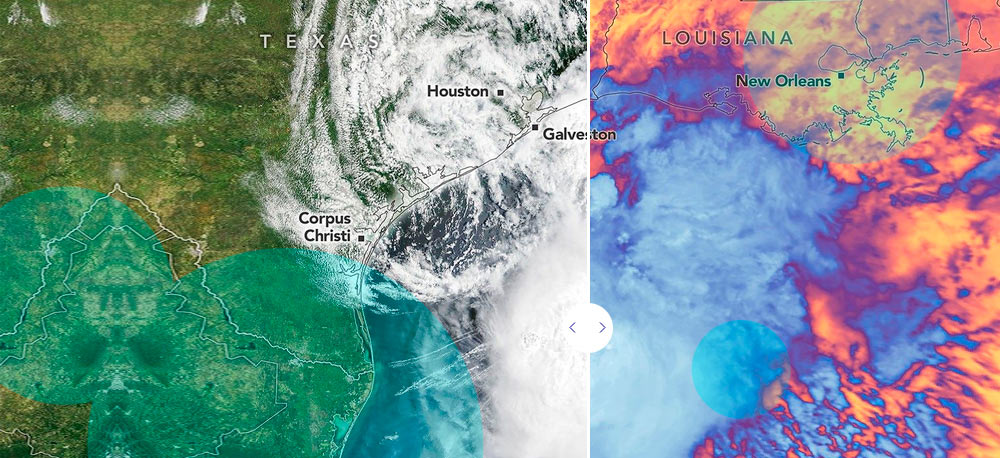
Louisiana Insurance Commissioner Tim Temple issued Emergency Rule 50 after Tropical Storm Arthur, suspending cancellations, non-renewals and related insurance actions across seven parishes.
The order covers Avoyelles, Lafourche, Pointe Coupee, Rapides, St. Landry, St. Tammany and Terrebonne. It took effect at 12:01 a.m. on June 18, 2026, and remains active until 11:59 p.m. on July 22, unless Temple ends it sooner.
According to Beinsure, the rule applies across most insurance lines, including property, casualty, life, vehicle, health, annuity, workers’ compensation and homeowners coverage. It also covers authorised insurers, surplus lines carriers and health insurance issuers operating in Louisiana.
Insurers cannot cancel, non-renew or refuse to reinstate policies in force when the order began. Notices issued during the emergency period have no effect and must be issued again after the rule expires.
Carriers still have the right to send non-payment notices. Yet they cannot terminate coverage for unpaid premiums before July 22. Policyholders still owe the premium, and the rule creates a grace period rather than a waiver.
Insurers must work with affected customers on payment plans or further extensions. The rule also prevents cancellation or non-renewal solely because a claim arose from Tropical Storm Arthur or its aftermath.
The protections do not apply to new policies issued on or after June 18. Insurers also retain the right to cancel policies where fraud or material misrepresentation is involved.
Emergency Rule 50 extends the deadline for insurers to begin adjusting property damage claims. Carriers now have 60 days after receiving notice of loss, doubling the usual 30-day period under Louisiana law.
According to Beinsure, the extension reflects the expected volume of Arthur-related claims, though insurers must still acknowledge claims promptly and assign adjusters without delay.
The order also affects health coverage. Health insurers may defer claims where premiums remain unpaid during the grace period, though they must process those claims after receiving payment. Providers must receive notice where a claim could later face denial.
Health plans must permit early prescription refills, apart from medicines with a high risk of abuse. They must also waive out-of-network pharmacy restrictions and support alternative delivery addresses for mail-order prescriptions.
The rule requires health insurers to ease telemedicine restrictions during the emergency period. Plans must waive prior patient-provider relationship requirements and cover remote mental-health care on the same basis as comparable in-person services.v