Follow Beinsure
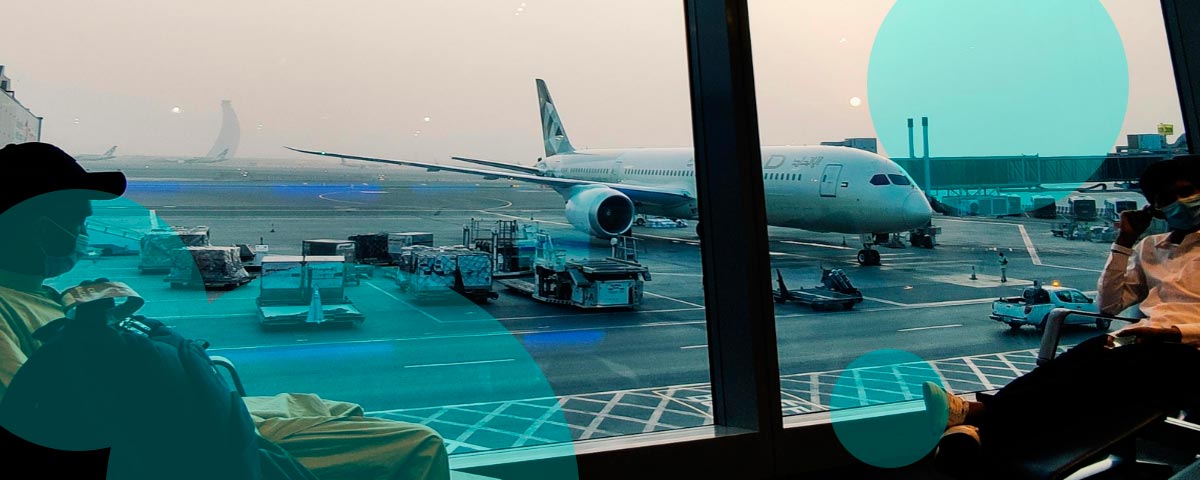
Morningstar DBRS said the Iran conflict adds fresh strain to marine and aviation insurers already navigating a run of geopolitical shocks.
The agency expects reinsurers to react by lifting attachment points or trimming capacity, pushing more risk back onto primary carriers.
On 28 February 2026, the U.S. and Israel launched coordinated strikes on Iranian military targets. Iran responded with missiles and drones aimed at U.S. bases and regional allies.
Airspace closures followed across Iran, Iraq, Kuwait, Israel, Bahrain, the UAE and Qatar. Maritime traffic through the Strait of Hormuz, the channel moving roughly 20% of global crude and seaborne gas, stalled.
Iran strikes disrupt flights as war exclusions hit travel insurance cover. Airlines cancel thousands of flights after U.S.-Israel strikes on Iran, but standard travel insurance often excludes war-related disruptions.
Morningstar DBRS flagged underwriting and investment headwinds across marine, aviation, property, travel and supply-chain lines. Earnings volatility could rise. Solvency metrics may face pressure if losses cluster.
Higher war-risk premiums offer a short-term earnings buffer. Concentration risk complicates the picture. Insurers active in marine often write property, aviation, political violence and travel cover as well.
A single geopolitical event can activate multiple policies. Correlation risk moves from theoretical to real fast.
The agency cautioned that firms with limited geographic diversification or outsized Gulf exposure may see credit pressure.
Marine insurers cancel war risk policies in the Gulf after tanker strikes push premiums toward 1% of hull value and strand 150 vessels.
According to Beinsure analysts, rating sensitivity increases when accumulation risk combines with capital market volatility.
In marine, Morningstar expects war-risk rates for vessels transiting the region to exceed 0.5% if hostilities persist. Some underwriters may decline to quote if exposure appears unquantifiable.
Dylan Mortimer of Marsh recently estimated Gulf marine hull rates could climb 25% to 50%. If a large vessel were destroyed, insured losses might surpass $200 mn to $300 mn across hull, cargo and liability.
Marine insurers are cancelling war risk cover for vessels operating in the Middle East Gulf as the United States–Israel–Iran conflict disrupts tanker traffic and leaves ships damaged, stranded and, in at least two cases, with fatalities.
Reinsurers may respond by raising attachment points or cutting back deployed capacity. Primary carriers would retain more net exposure, tightening capital cushions. Firms with conservative retention and diversified books stand better positioned.
Travel insurers face potential spikes in claims from flight cancellations and stranded passengers. Many policies contain war exclusions, which may limit payouts.
Aviation hull underwriters must weigh missile or interceptor strike scenarios that could generate substantial hull and liability losses.
Airport closures introduce business interruption risk tied to airport property. Airlines already contending with fuel price increases and longer detour routes face higher insurance costs and tighter capacity. Terrorism and political violence markets may also harden if the conflict broadens.
The closure of Hormuz reverberates through supply chains. Demand for supply-chain disruption cover may rise, though penetration remains low and war exclusions often apply. Coverage gaps persist.
Despite the turbulence, Morningstar DBRS noted most global re/insurers maintain solid capital positions and structured reinsurance programs.
Coinsurance and layered treaties disperse war-risk exposure across multiple balance sheets, limiting concentration on any single carrier.
Marcos Alvarez, Managing Director for Global Financial Institution Ratings, said diversified geographic and product mixes improve shock absorption relative to insurers concentrated in Middle Eastern risks.
The agency continues to monitor accumulation exposure, reinsurance structure and liquidity management across rated entities.