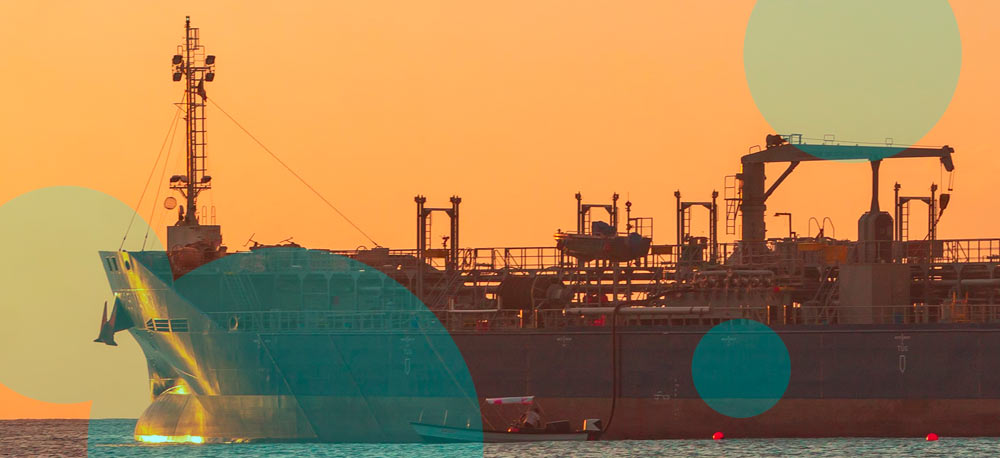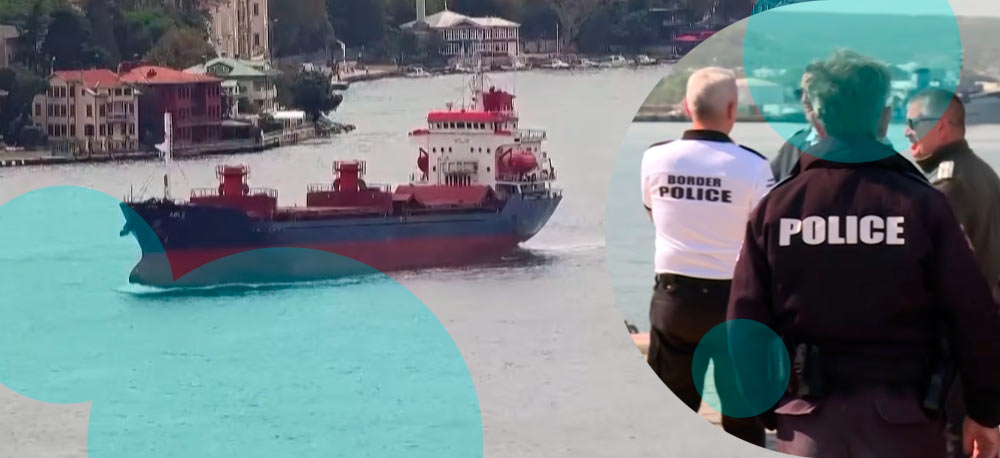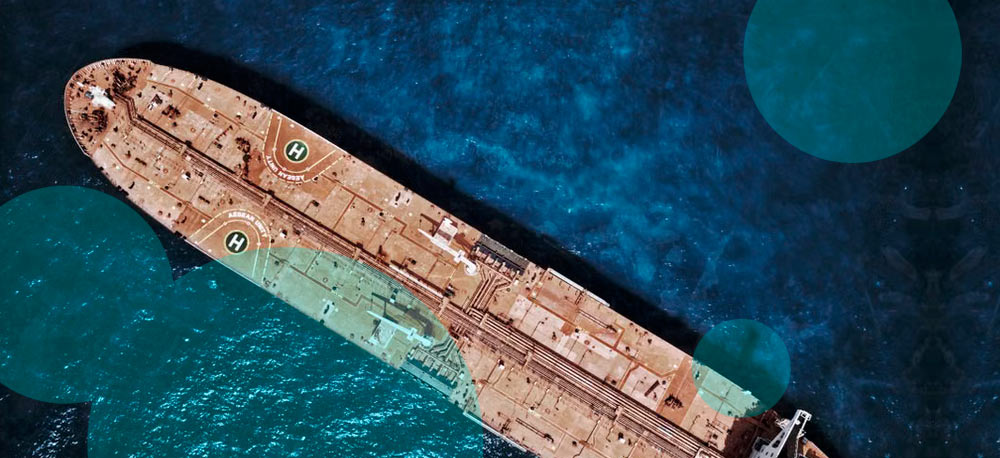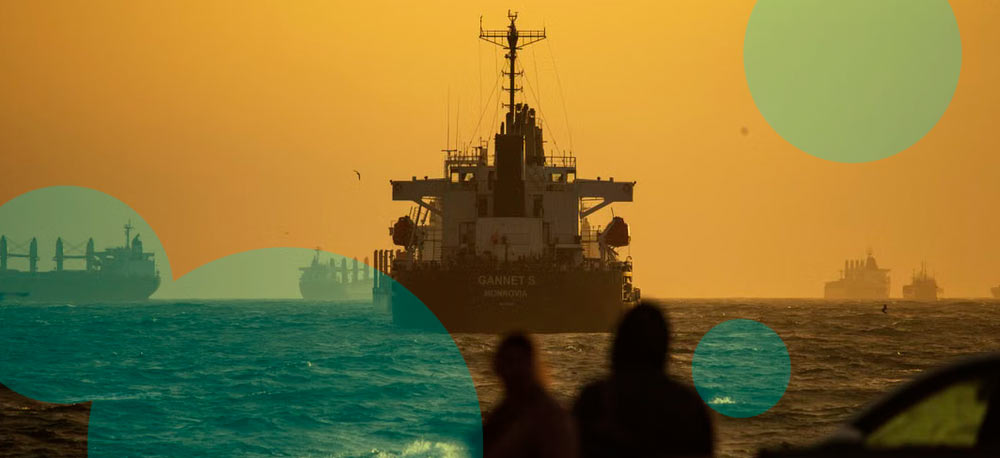
Marine insurers are cancelling war risk cover for vessels operating in the Middle East Gulf as the United States–Israel–Iran conflict disrupts tanker traffic and leaves ships damaged, stranded and, in at least two cases, with fatalities, according to Al Jazeera.
The confrontation entered its fourth day with continued U.S. and Israeli strikes on Iran, followed by retaliatory attacks targeting U.S. assets and infrastructure across Gulf states.
Shipping through the Strait of Hormuz, the corridor between Iran and Oman handling about 20% of global oil flows, has slowed to a near standstill.
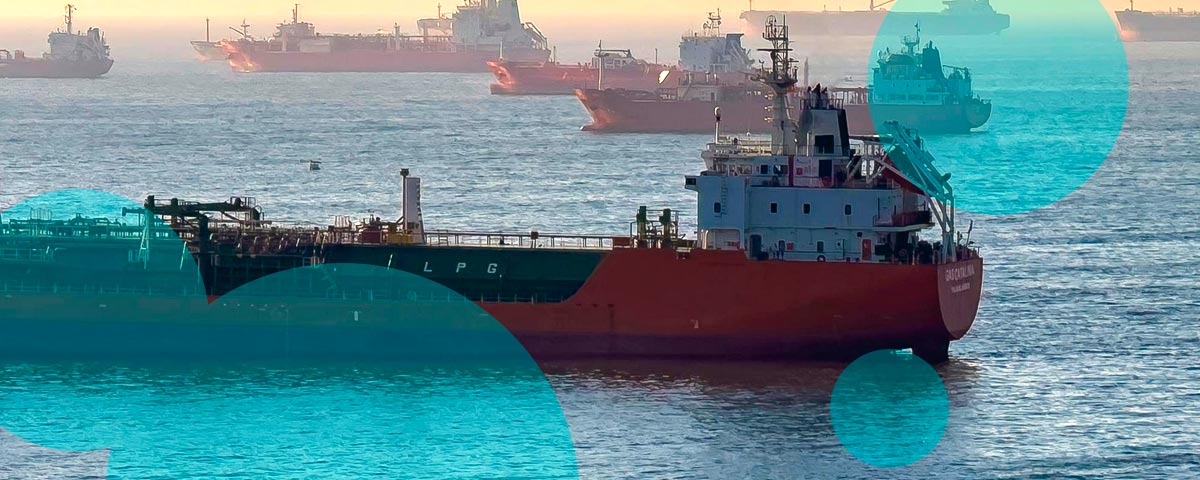
An Islamic Revolutionary Guard Corps commander said the strait was closed and warned vessels attempting transit would face attack. At least five tankers sustained damage. Two crew members were killed. Roughly 150 ships remain clustered near the waterway.
Energy markets reacted fast. Brent crude futures rose as much as 13% as multiple oil and gas facilities across the region curtailed operations. European gas prices also moved higher.
According to our data, freight derivatives and tanker charter rates widened alongside spot crude.
Ship-tracking data from MarineTraffic show tankers gathering off Iraq, Saudi Arabia and Qatar. Jeremy Nixon, chief executive of Ocean Network Express, said about 10% of global container capacity sits entangled in broader congestion patterns. Cargo backlogs may build at European and Asian transshipment hubs if disruption persists.
Several high-profile incidents intensified insurer response. Iranian media reported the Honduran-flagged Nova burned after drone strikes in Hormuz.
The U.S.-flagged product tanker Stena Imperative suffered aerial damage while berthed in the Gulf, killing a shipyard worker, according to owner Stena Bulk and manager Crowley.
The Marshall Islands-flagged MKD VYOM was struck off Oman, with one crew member killed. Other vessels, including the Hercules Star near the UAE coast, also reported projectile impacts.
In reaction, mutual P&I clubs and marine carriers including Gard, Skuld, NorthStandard, the London P&I Club and the American Club issued notices cancelling war risk cover effective March 5.
Shipowners must now secure replacement cover at sharply higher rates or suspend voyages.
David Smith of McGill and Partners said underwriters are raising rates across the board and, in some cases, declining to quote for Hormuz transits.
War risk premiums climbed from roughly 0.2% of hull value last week to as high as 1% within 48 hours, industry sources said. For a $100 mn tanker, a single voyage premium rises from about $200,000 to near $1 mn.
Munro Anderson of Vessel Protect described the situation as a de facto closure driven by threat perception rather than a formal blockade.
According to Beinsure analysts, perception alone shifts underwriting appetite in war markets, where capacity can withdraw overnight.
War risk insurance covers losses stemming from war and terrorism, perils excluded under standard marine policies. Commercial vessels rarely sail uninsured.
Port authorities, lenders and charterers require proof of adequate cover before permitting entry or financing cargo.
Marsh’s global head of marine, Marcus Baker, told UK media rates could increase 50% to 100% or more. A pre-crisis premium near 0.25% of hull value might rise to 0.5% or even 1%, depending on routing and threat assessment.
Shipping costs from the Gulf to Asia already touched six-year highs before the latest escalation. Additional rate hikes and vessel hesitancy will compound pressure.
The Strait of Hormuz remains central to global supply, moving crude and gas from Saudi Arabia, Iraq, the UAE, Kuwait and Qatar into Asian and European markets.
Historically, Iran has raised transit risk without imposing a full shutdown. Reopening would likely require a ceasefire or visible multinational naval escorts. Until then, insurers price for uncertainty. Shipowners pay for it.
If the insurance costs increase the way Baker suggests, this would make every journey through the strait more expensive, and in turn raise the cost of delivered oil and LNG. Higher oil and energy prices will in turn mean higher fuel, electricity and heating costs.