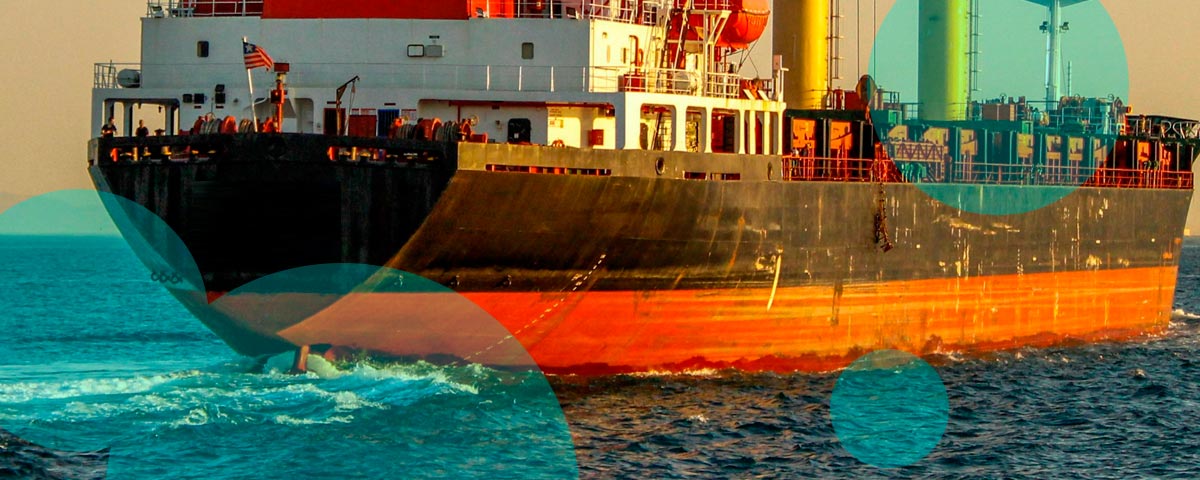
Marine insurers are cancelling war risk coverage for vessels operating in the Middle East Gulf as the Iran conflict widens and shipping activity contracts sharply. Tankers sit damaged or idle. At least two fatalities have been reported, according to Reuters.
Traffic through the Strait of Hormuz between Iran and Oman, the channel moving about one-fifth of global oil consumption and significant LNG volumes, has slowed to a near halt after multiple vessels were struck amid Iranian retaliation against U.S. and Israeli targets.
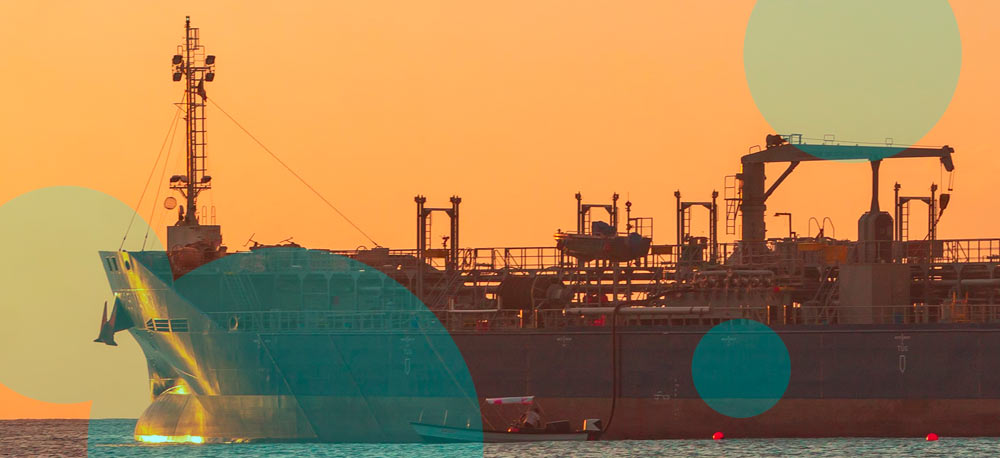
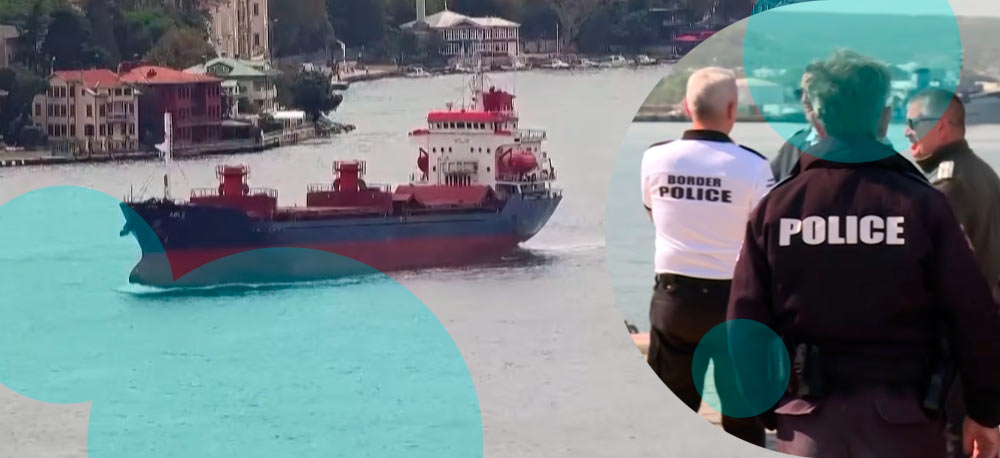
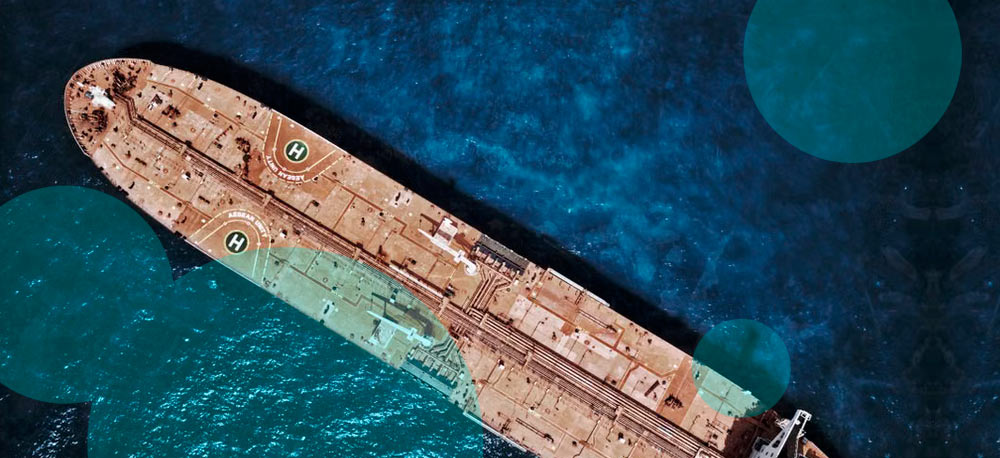
One tanker burned on Monday. At least four others sustained damage. Around 150 ships remain stranded.
Energy markets reacted immediately. Brent crude futures climbed as much as 13% as oil and gas facilities across the region curtailed output. European gas prices advanced in parallel.
According to our data, tanker charter rates and freight derivatives widened alongside spot crude.
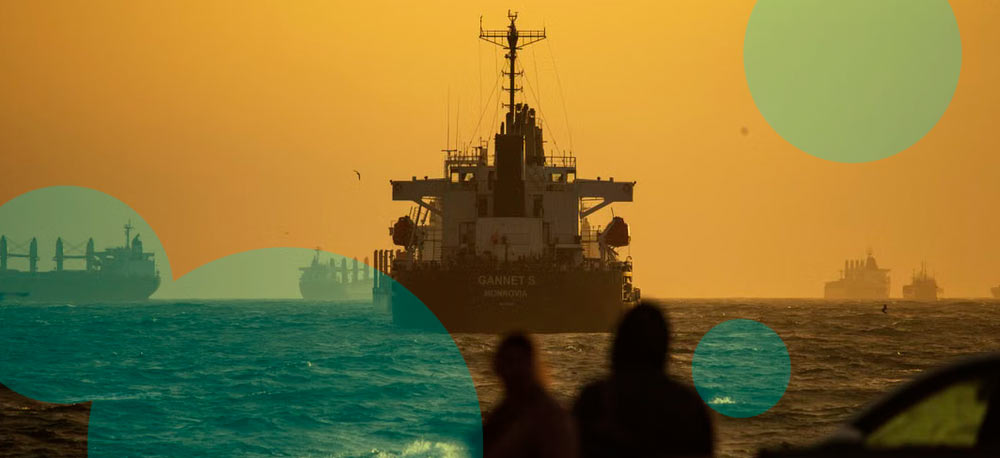
Shipping data show at least 150 vessels, including oil and LNG carriers, dropped anchor in and around Hormuz.
Jeremy Nixon, chief executive of Ocean Network Express, said roughly 10% of global container capacity is entangled in congestion tied to the disruption. Port backlogs in Europe and Asia may follow if transit restrictions persist.
Iran stated it had closed navigation through the strait. An Islamic Revolutionary Guard Corps commander warned any ship attempting passage would face attack, according to Iranian media. Asian governments and refiners began reviewing crude stockpiles.
Vessel-tracking platform MarineTraffic indicates tankers clustering off Iraq, Saudi Arabia and Qatar. In the latest incident, Iranian media reported the Honduran-flagged Athe Nova burned after drone strikes.
The U.S.-flagged product tanker Stena Imperative suffered aerial damage while berthed in the Gulf, killing a shipyard worker, according to owner Stena Bulk and manager Crowley.
The Marshall Islands-flagged MKD VYOM was hit off Oman, with one crew member killed. The Hercules Star, flagged in Gibraltar, sustained projectile damage off the UAE before returning to anchorage in Dubai.
Following these events, insurers including Gard, Skuld, NorthStandard, the London P&I Club and the American Club issued notices cancelling war risk cover effective March 5. Shipowners must now secure replacement cover at materially higher rates to keep vessels trading.
David Smith of McGill and Partners said underwriters are raising prices across the board and, in some cases, declining to quote for Hormuz transits.
War risk premiums climbed from roughly 0.2% of hull value last week to as high as 1% within 48 hours, industry sources said. On a $100 mn tanker, that shift lifts a single-voyage premium from near $200,000 to about $1 mn.
Munro Anderson of Vessel Protect described the market as confronting a de facto closure driven more by perceived threat than formal blockade.
According to Beinsure analysts, perception shifts in war markets trigger immediate capacity withdrawal, tightening terms before physical blockades materialize.
Shipping costs from the Middle East to Asia already hovered at six-year highs prior to the latest escalation. Additional insurance surcharges and owner hesitation will compound pressure.
The Strait of Hormuz remains central to global energy flows. When traffic slows there, insurance markets react first.