Follow Beinsure

Eight of the ten largest industrialised countries face far higher damage relative to gross national income than they did in the 1980s, a shift that keeps accelerating even as governments try to get ahead of it.
Munich Re’s analysis shows how major economies now buckle under rising weather-driven losses.
Recent years hit the United States, Germany and India especially hard. Extreme heat, storms, flooding and wildfires chipped away at economic resilience bit by bit, until the trend stopped looking cyclical and started feeling structural.
Released ahead of COP 30 in Brazil, the study sketches out how even wealthy economies can’t outrun climate-related financial pressure.
Loss ratios climb sharply in the US, Germany, Canada, Italy and France. India, Japan and Brazil also inch up, just not as aggressively.
Grimm stressed that climate impact doesn’t care about GDP levels. Rich countries, poor countries, everyone ends up dealing with broken infrastructure, wrecked homes and ballooning public costs.
He argued that spending more on prevention beats watching budgets evaporate on reconstruction. Honestly, that line lands harder when you look at the data.
Between 2020 and 2025, the US logged average annual losses equal to 0.54% of GNI. Germany reached 0.29%. India hit 0.28%.
Adjusted for inflation, that’s roughly $150 bn a year in the US, $14 bn in Germany and $9 bn in India.
The US shows the steepest climb, with losses relative to economic output rising fivefold since the 1980s. Germany’s rise, pushed sharply by the Ahr Valley floods in 2021, follows a similar arc.
National numbers might look modest, but they hide brutal regional fallout. Local communities carry the immediate social and financial load, and public budgets tense up fast.
Munich Re notes that protective investment usually pays for itself, but convincing governments to commit early remains a perpetual fight.
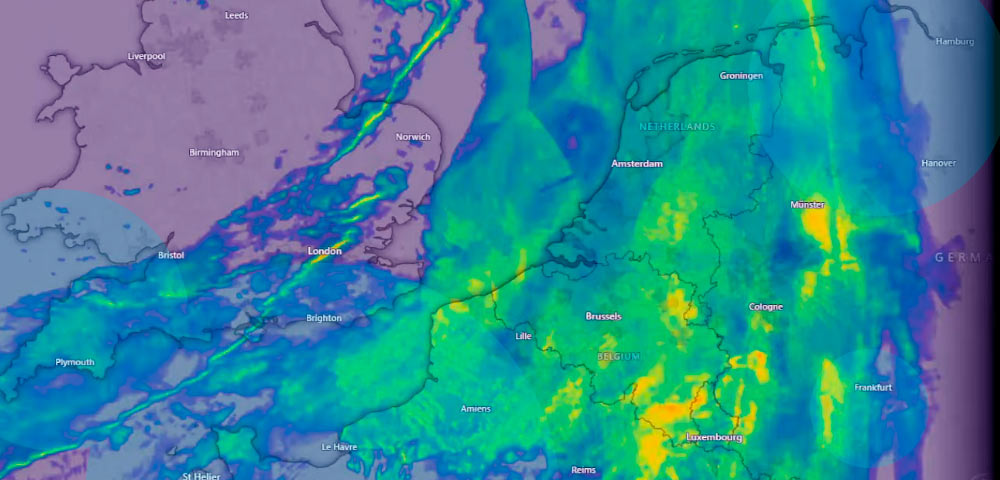
Grimm pointed out that recent years include outsized events, like the 2021 German floods or Brazil’s severe flooding in 2024. Many of these one-off disasters show a clear climate fingerprint. More frequent, more intense, and increasingly harder for insurers and governments to digest.
The study leans on Munich Re NatCatSERVICE data stretching back to 1980, comparing losses with each year’s GNI to capture burden rather than raw monetary scale.
That approach filters out distortions from rising asset values and gives a cleaner view of economic stress.
Preventive measures can shift the curve. China offers a strong case.
Even though billion-dollar floods still happen, losses relative to GDP dropped significantly since the 1990s thanks to large-scale investment in flood-management systems. Stability held even as exposure surged with rapid growth.
Country-level detail rounds out the picture. In Canada, losses relative to GNI over the past five years ran more than four times higher than in the 1980s.
Severe thunderstorms dominate the loss profile, followed by floods and wildfires. The insurance gap narrowed, though a chunk of losses stays uninsured.
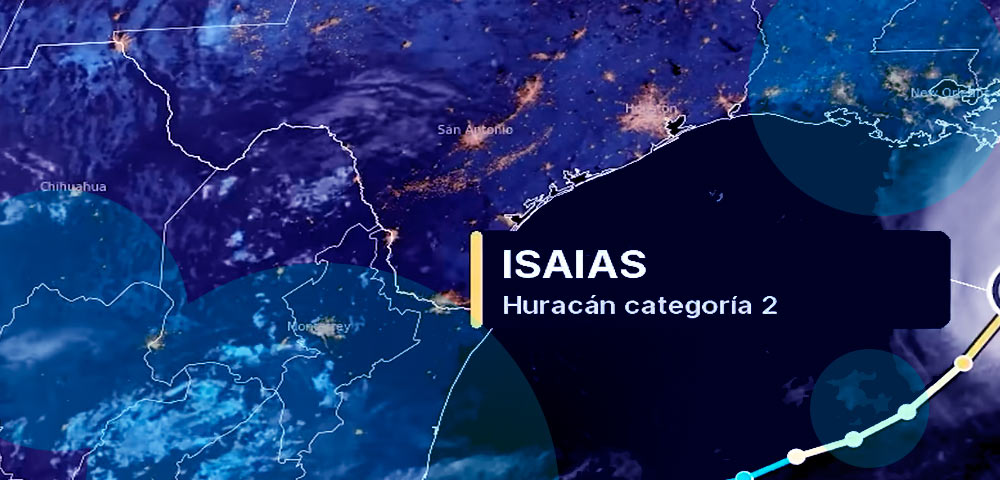
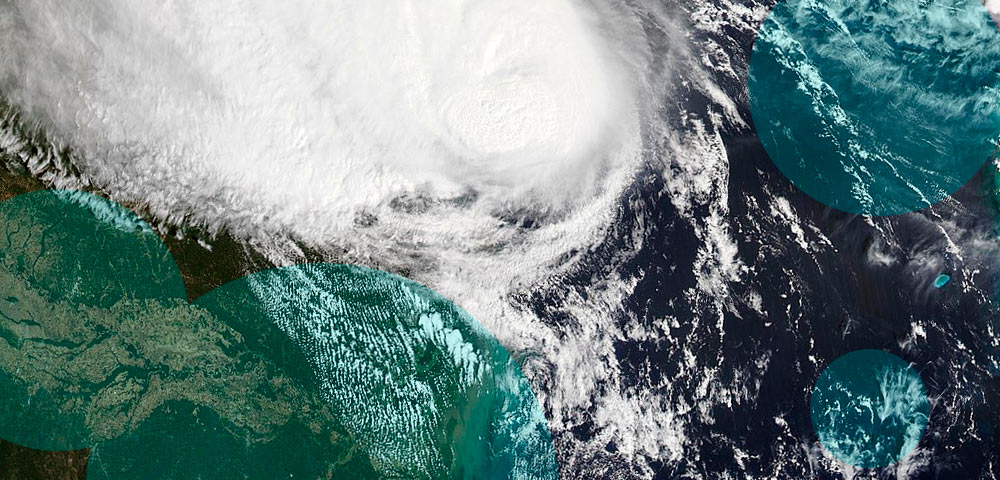
In the US, tropical cyclones cause just over half of all inflation-adjusted losses since 1980. Severe thunderstorms sit second and trend upward, making up around one third of losses in the most recent five-year window.
Munich Re notes that while huge hazards like cyclones or earthquakes grab headlines, the long-term loss trend increasingly comes from smaller but more frequent events such as hailstorms, floods and wildfires.
Less than half of all losses remain uninsured in the US, with strong insurance penetration for thunderstorm and wildfire risk.