Follow Beinsure
The US economy absorbed nearly $2.915 tn in losses from climate-related disasters between 1980 and 2024.
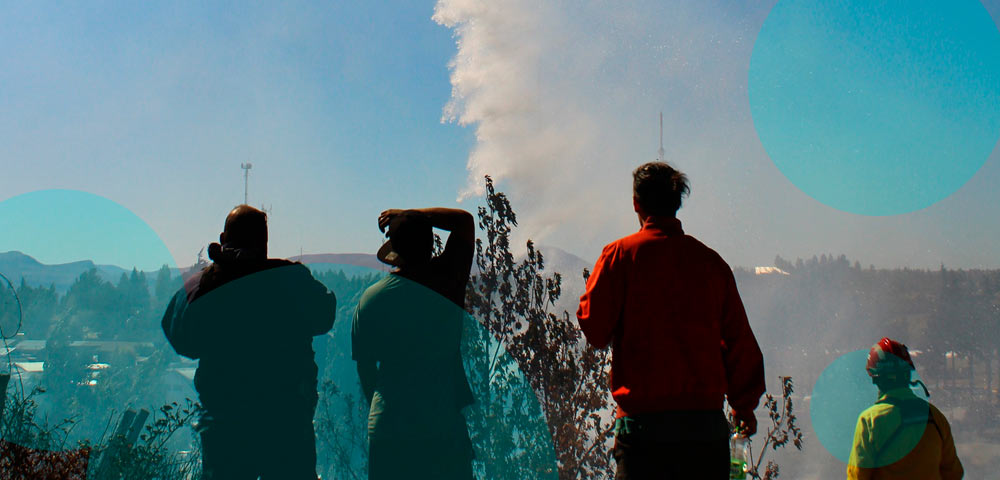
Incidents like the Palisades wildfires, Hurricane Helene, and the San Francisco earthquakes illustrate the growing intensity and frequency of these events, according to Beazley’s NatCat report.
For businesses, ignoring these risks is no longer viable. Insurance must move from being a reactive measure to a strategic necessity.
These events aren’t rare anymore. They’re becoming expected. And the consequences extend beyond damaged assets — businesses face disrupted operations, limited access to resources, and stalled supply chains.
Paul Bantick, group CUO at Beazley
Despite these escalating risks, Beazley’s latest risk and resilience survey revealed that only 20% of global executives consider climate and natural catastrophe exposure a priority.
Meanwhile, 73% cite economic uncertainty as a more pressing concern, causing sustainability plans to fall lower on the agenda.
Bantick noted the danger in this shift.
Delaying investment in protection weakens long-term business continuity. Insurers can help clients map out exposure with localized risk insights and projections on how hazard patterns are shifting.
One of the most overlooked exposures lies in environmental liability. During Storm Uri in 2021, Texas experienced widespread pipe failures.
In some cases, those pipes carried crude oil, not just water — resulting in chemical spills and widespread pollution. The fallout damaged ecosystems and reputations alike.
Businesses often don’t account for how climate events might trigger liability in sectors outside their direct operations.
That’s where insurers must step in. We need to work side by side with clients to make sure policies reflect the full spectrum of exposures.
Real-time claims data gives insurers a distinct advantage in spotting trends and recognizing high-risk scenarios.
Cross-sector collaboration and data sharing allow underwriters to build more accurate models and deliver tailored risk solutions.
“Only by acting now can businesses strengthen their position against the rising tide of climate-driven damage,” Bantick added.