Follow Beinsure

Insurtech Matic says the US home insurance market showed early signs of stabilisation in 2025 after several years of aggressive rate increases. The insurtech shared the findings in its annual year-end trends and predictions report.
According to Matic, the average premium for a new homeowners policy increased 8.5% year over year. That compares with an 18% jump in 2024.
Premiums still sit at record levels and now equal roughly 9% of a typical homeowner’s monthly mortgage payment.
The stabilisation view lines up with broader market forecasts that still expect premium growth in the near term.
One 2025 industry brief cited in public reporting projects double-digit net written premium growth for US homeowners insurance this year, with profitability expected to return in 2026 as underwriting results improve.
Ben Madick, CEO and co-founder of Matic, said carriers have largely reached rate adequacy, supported by improved risk assessment and calmer weather in the second half of the year. He said those factors gave the market space to steady after years of disruption.
Madick also warned that affordability remains under strain. Homeowners continue to face high costs, and climate uncertainty will keep shaping pricing decisions into 2026.
Matic’s data shows policyholders absorbing more risk through structural changes.
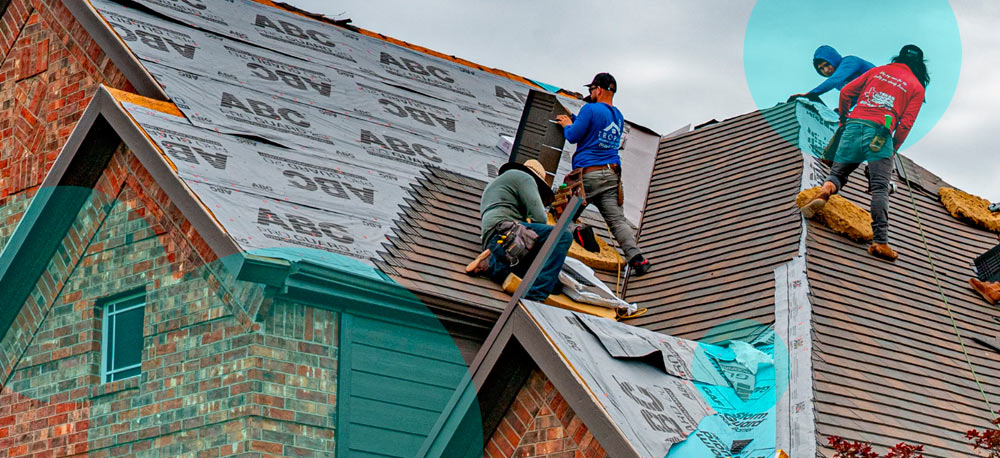
Average deductibles rose 22% in 2025, and insurers placed more weight on property-level characteristics such as roof age when evaluating risk.
Carriers increasingly rely on AI-driven inspections, satellite imagery, and drone assessments to evaluate homes. Matic said these tools shift underwriting away from broad assumptions and toward current property data, tightening pricing accuracy but also raising scrutiny on individual homes.
Regional differences remain sharp. Colorado, Texas, and Georgia saw some of the steepest increases, driven by climate exposure and regulatory conditions.
At the same time, overall availability improved. Matic reported the average number of quotes per shopper rose 78% from the market’s low point in 2024.
High-risk areas still lean heavily on the Excess & Surplus market. In California, Florida, and Texas, E&S products accounted for 16% of Matic policies by the end of 2025, up from under 2% in 2023.
The shift reflects ongoing pressure in admitted markets rather than temporary dislocation.
Insurance costs now weigh more heavily on housing transactions. Matic said rising premiums increase borrowers’ debt-to-income ratios and can delay or derail mortgage closings. Some buyers no longer qualify once insurance pushes monthly housing costs beyond lender thresholds.
Madick said insurance now shapes housing outcomes more directly than it did just a few years ago. When pricing varies widely by location and options narrow, early clarity on coverage and cost changes outcomes for both borrowers and lenders.
Looking ahead to 2026, climate and catastrophe exposure to remain a dominant pricing factor. Severe convective storms, wildfires, and flooding continue to drive underwriting decisions and portfolio adjustments.
Affordability and availability issues are likely to persist, especially in high-risk ZIP codes. Matic also points to ongoing debate around consumer protections and federal programs such as the National Flood Insurance Program.
The company expects wider AI adoption to reshape how consumers shop for coverage and how insurers assess property risk.
Insurers are also expected to expand mitigation efforts, including roof reinforcement and electrical monitoring programs aimed at reducing future losses and claim severity.