Follow Beinsure
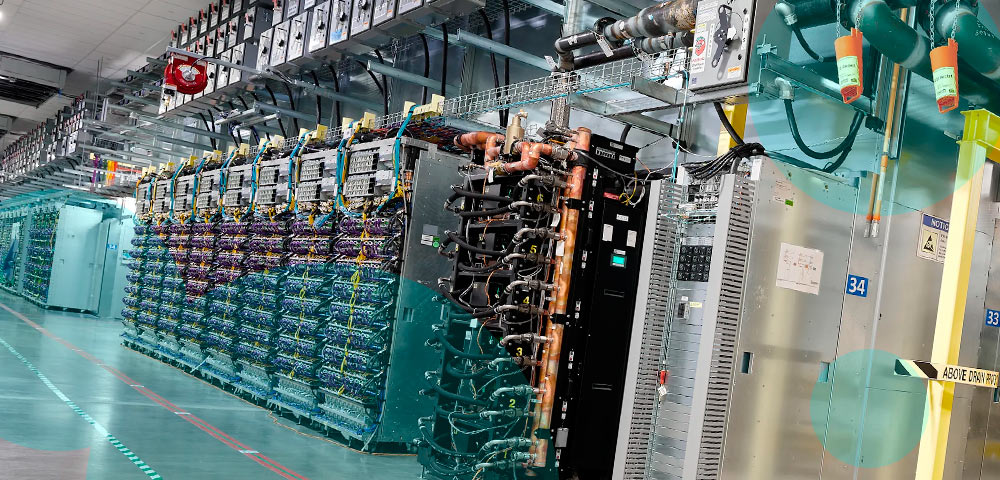
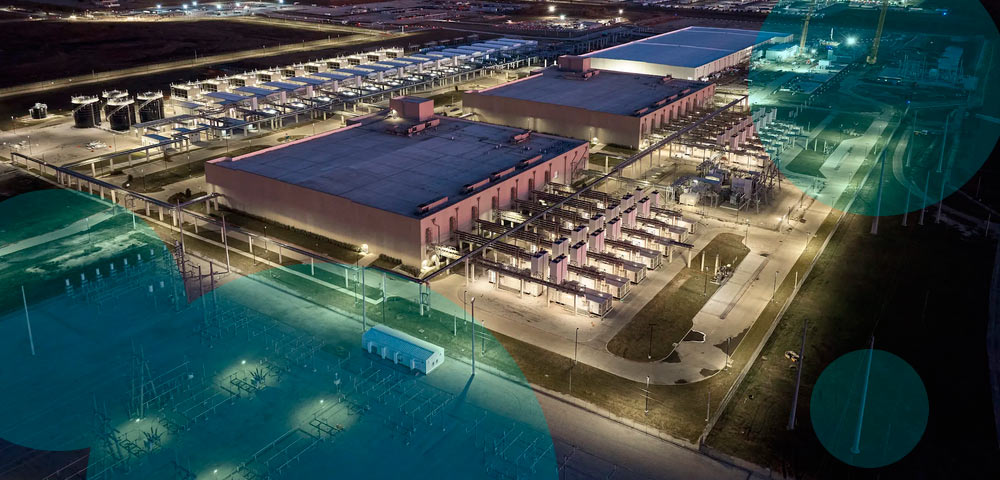
A data center can undergo substantial operational changes without any visible alteration to its building. Higher-density AI equipment, liquid cooling and expanded electrical capacity can change how the facility responds to equipment failures, utility interruptions and other disruptions.
For insurers, the challenge is determining whether the engineering evidence collected at the original placement still reflects the facility’s current operation.
Consider a data center initially insured with conventional air-cooled server racks. Its commissioning records document an electrical transfer sequence tested at a specified IT load. Over the following year, the operator installs higher-density GPU racks, introduces liquid-cooling distribution units and modifies the electrical distribution system.
Additional utility capacity has been contracted, although the upgrade remains incomplete. Temporary operating arrangements are in place.
- AI infrastructure upgrades can change a data center’s risk profile even when the building itself remains unchanged.
- Commissioning records from an earlier configuration may no longer reflect actual operating conditions, loads or system dependencies.
- Generator transfer tests alone may not demonstrate that liquid cooling and associated controls will function during a power interruption.
- Higher GPU density, equipment replacement times and incomplete utility upgrades can change business-interruption exposure.
- Insurers need current engineering records showing what was tested, under which conditions and what remains unresolved.
At renewal, the underwriting file still contains the original commissioning report. The report may accurately describe the facility as it operated when the tests were performed. It offers less assurance about the revised configuration. The insurer needs to establish which original assumptions remain valid and what additional evidence is required.
Why the financial exposure deserves attention
Uptime Institute’s 2026 Annual Outage Analysis reports that 57% of respondents to its 2025 annual survey estimated that their most recent major outage cost more than $100,000. One in five reported costs exceeding $1 mn.
Power remained the leading cause of impactful outages, with failures involving UPS systems, transfer switches and generators among the principal concerns.
These figures represent reported outage costs across surveyed operators. They are neither insurance claims data nor estimates of potential losses at a particular AI facility.
Gallagher’s 2026 commercial insurance guidance identifies related exposures during data center construction, including project delays, specialist equipment held in storage and the importance of coordinating power availability, project schedules and insurance arrangements.
For a facility undergoing major upgrades, these considerations raise a practical question: have the changed operating conditions been reflected in the information used to assess the risk?
What the original commissioning report may miss
The most consequential change may involve the interaction between systems that were previously tested under different conditions.
Consider the loss of incoming utility power. A successful generator transfer test demonstrates an important electrical safeguard, but its relevance depends on the equipment connected, the load applied and the test conditions.
With liquid-cooled AI racks, maintaining electrical supply to the computing equipment is only part of the recovery sequence. Cooling distribution units, circulation pumps, controls and associated equipment must also operate as intended during and after the transfer.
If cooling circulation is interrupted while computing equipment remains energized, temperatures can rise even though the electrical transfer has succeeded. The actual outcome depends on system design, thermal margins, protection controls and operating load. This identifies a failure sequence that the original commissioning evidence may not have addressed.
The underwriter should therefore determine whether the operator has tested the relevant power and cooling systems together, under conditions representative of the revised configuration.
The records that matter at renewal
A targeted review should begin with the documentation that describes the facility as currently operated.
- For electrical systems, the relevant records include revised as-built one-line diagrams, load schedules, protection settings where applicable, and evidence of completed commissioning and integrated-systems testing.
- For cooling, the review should cover updated system schematics, cooling capacity and redundancy assumptions, leak detection and isolation arrangements, and the controls governing equipment response to abnormal conditions.
The operator should also provide the applicable test reports, dates, operating loads, exceptions and outstanding deficiencies. Where testing was performed before the latest equipment was installed, the file should identify that limitation.
A particularly useful distinction is between installed capacity, designed capability and demonstrated performance. These may differ during a phased upgrade.
For example, a cooling system may be sized for the intended final deployment while only part of the computing load is operating. Testing at the intermediate load establishes performance under those conditions. It does not automatically demonstrate how the full installation will behave when completed.
The underwriting review should make those boundaries visible.
External dependencies and interruption losses
Changes to infrastructure can also alter the financial consequences of downtime. A utility service amendment may establish the operator’s planned access to additional capacity. It does not, by itself, demonstrate that the capacity is available today.
If grid reinforcement is incomplete, the insurer needs to understand the interim operating limits, available backup-power capacity, maintenance requirements and contingencies should the utility schedule slip.
An expanded GPU installation may increase insured equipment values, replacement lead times and restoration complexity. Its financial exposure will also depend on the operator’s commercial arrangements, workloads, customer obligations and ability to restore services elsewhere.
These factors should be reflected in updated exposure information supplied by the insured and reviewed with the broker. Applicable coverage, limits, exclusions and notification requirements must be assessed against the actual policy wording.
The insurer should avoid assuming that an earlier business-interruption estimate remains representative simply because the location and building have not changed.
When should the underwriting file be reopened?
A targeted reassessment may be warranted when the operator materially changes rack density, cooling architecture, electrical load, backup-power arrangements or critical external dependencies.
The scope of that reassessment should follow the change itself. Replacing cooling equipment may call for different evidence than increasing electrical demand or extending a temporary utility arrangement.
A workable process is to assign responsibility for maintaining the current technical record and documenting significant modifications. Engineering specialists can then identify which safeguards have been tested, under what conditions, and which deficiencies remain unresolved.
The broker and underwriter can use that record to address the resulting insurance questions. This also helps prevent engineering assumptions from being treated as verified facts in the underwriting submission.
Where independent evidence review adds value
Specialist engineers remain responsible for assessing technical systems and their performance. Brokers and underwriters address insurance placement, coverage and risk transfer.
An independent infrastructure-assumption review serves a narrower purpose: comparing the operating conditions represented at placement with the records available after significant changes.
Such a review can identify outdated assumptions, inconsistent documentation and gaps requiring clarification from the appropriate engineering or insurance specialists. It does not replace commissioning, engineering certification or underwriting judgment.
For facilities undergoing repeated AI-related upgrades, that comparison can help keep the insurance assessment aligned with the infrastructure actually in service.
At renewal, three details deserve particular attention: which configuration was tested, under what operating conditions, and which deficiencies or dependencies remain unresolved. Those answers provide a practical starting point for assessing whether the existing underwriting assumptions still hold.
………………..
AUTHOR: Neil P. Osnato – founded Persistence Analytics Group. Reviewed by Peter Sonner, Lead Tech Editor at Beinsure