Follow Beinsure
ZestyAI said regulators in West Virginia, Georgia, South Dakota, Montana, Oregon, and Utah reviewed and accepted its Severe Convective Storm risk models for use in carrier rate and rule filings.
The approval covers the company’s Z HAIL, Z WIND, and Z STORM tools. With these six states added, the SCS Suite now sits at 29 approved states.
The move comes as severe convective storm losses top $40bn for the third straight year. Carriers and regulators want clearer, property specific tools to price hail and wind risk.
ZestyAI trains its models on verified claims data to show how local weather interacts with an individual building’s features, giving insurers property level scores instead of broad ZIP code buckets.
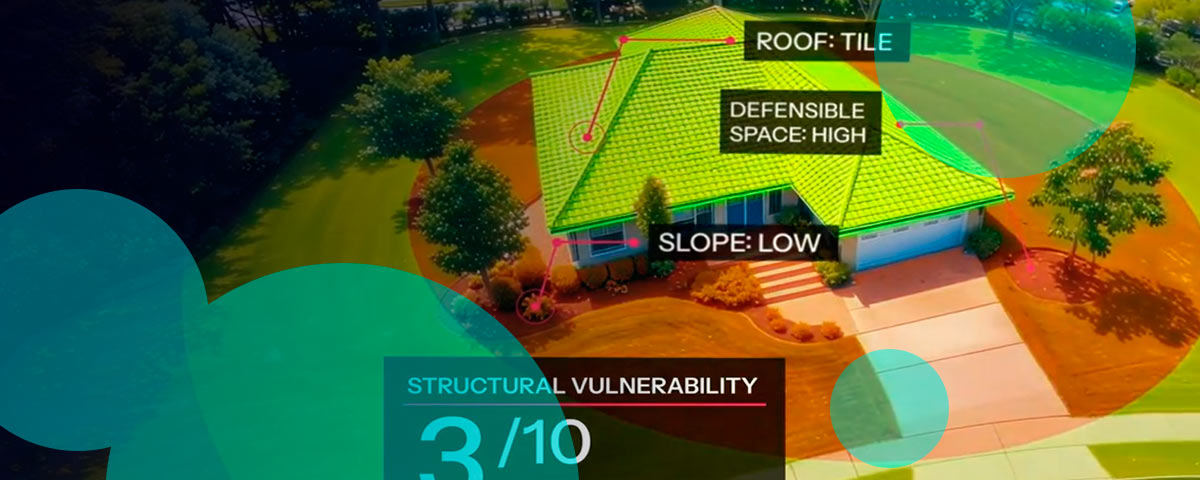
The SCS Suite includes Z HAIL, which evaluates hail risk with roof geometry, local climatology, and evidence of accumulated damage.
Z WIND uses 3D analysis of roof design and condition with wind climatology to pinpoint vulnerability. Z STORM estimates both frequency and severity of storm related claims by combining structural attributes with regional climate patterns.
Bryan Rehor, director of regulatory affairs at ZestyAI, said carriers and regulators now want transparent, property based storm analysis. He said the recent filings show a shift toward models that explain loss drivers and support defensible rating decisions.
These filings reinforce the shift toward models that clearly explain the drivers of storm loss and support compliant, defensible decisions
Bryan Rehor, Director of Regulatory Affairs, ZestyAI
ZestyAI also rolled out Mitigation Aware Scoring. The feature updates risk scores in real time when a property changes. Roof upgrades, repairs, corrected data points, or planned improvements can all shift a score.
The company built the feature on work done in its wildfire model, Z FIRE, and said it gives insurers a consistent way to incorporate mitigation across perils while supporting accurate rating and regulatory expectations.