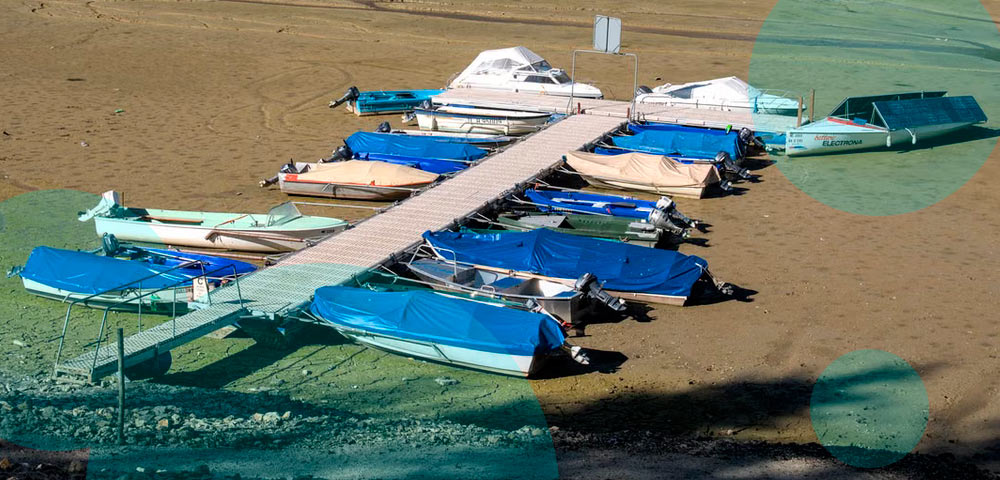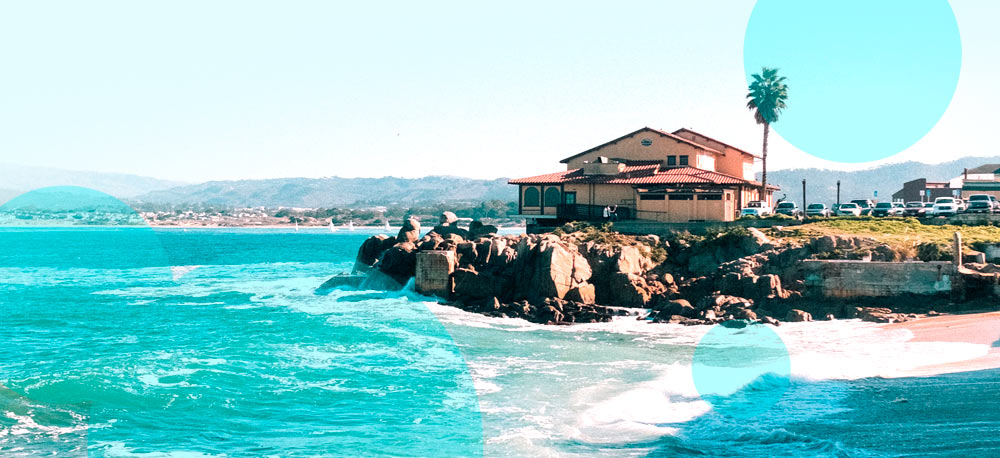
Sea levels along parts of California are expected to rise by as much as 1 foot in the coming days as a large Kelvin wave moves toward the U.S. West Coast. The broad pulse of warm water is part of El Niño and is expected to travel north along the coastline toward Alaska.
The phenomenon isn’t a tsunami and won’t arrive as a breaking wall of water. Instead, it produces a sustained rise in ocean levels across a band of water reaching roughly 18 miles wide, moving slowly along the coast.
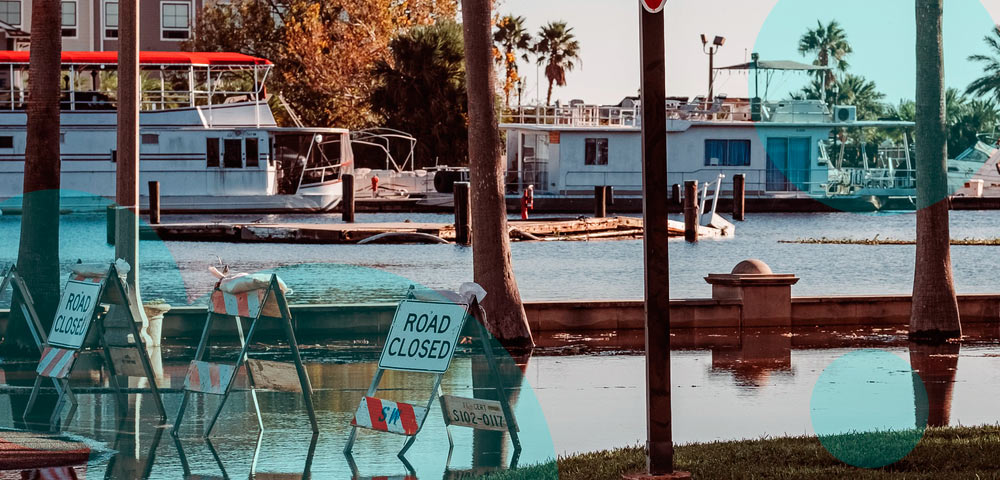
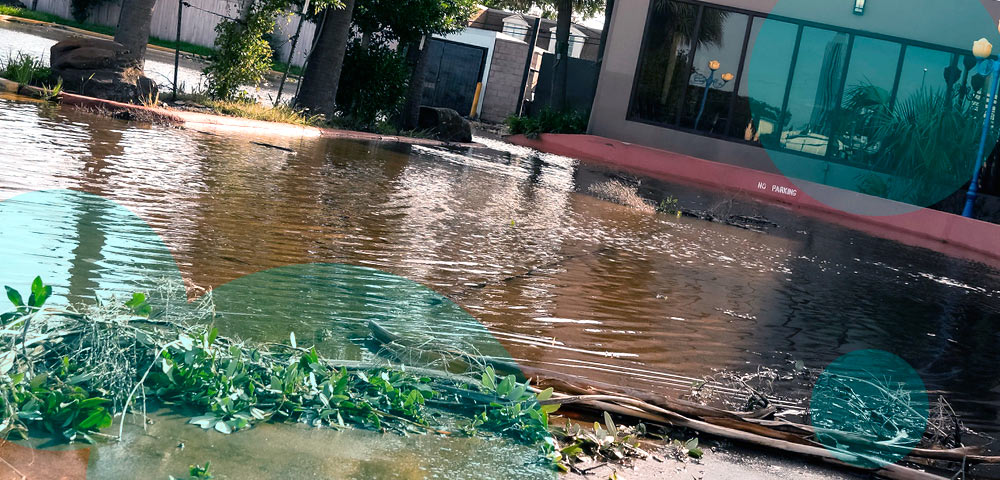
North Carolina State University stated the higher baseline sea level becomes more dangerous when combined with storm surge, large swells or unusually high tides. Those overlapping conditions increase the risk of coastal flooding and beach erosion.
As a rough rule, every 2 to 4 inches of additional background sea level roughly doubles flood risk, Amaya said. The increase sounds modest in isolation, but it involves a large volume of water and becomes more damaging when storms or high tides arrive at the same time.
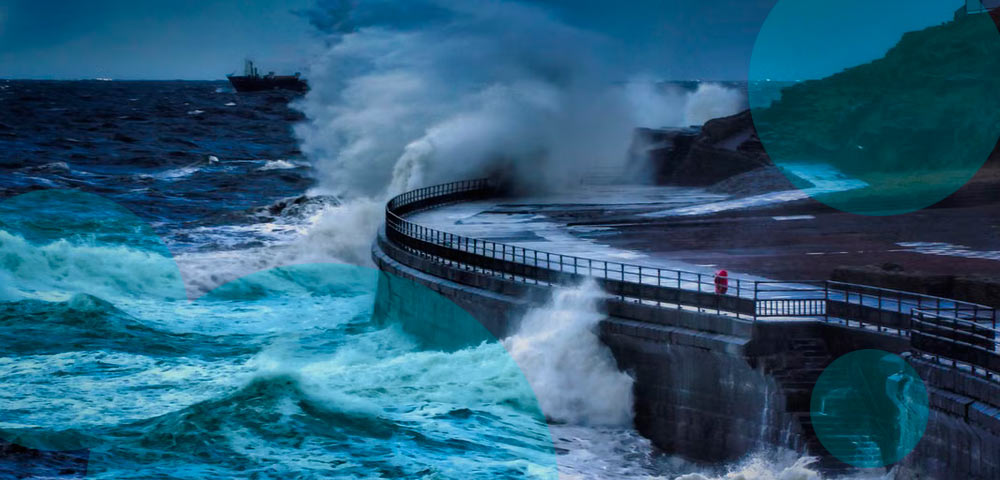
Southern California has already experienced erosion and coastal damage in recent weeks. Storm surges damaged properties in Dana Point and Laguna Beach, leaving several homes uninhabitable and at least one structure collapsed.
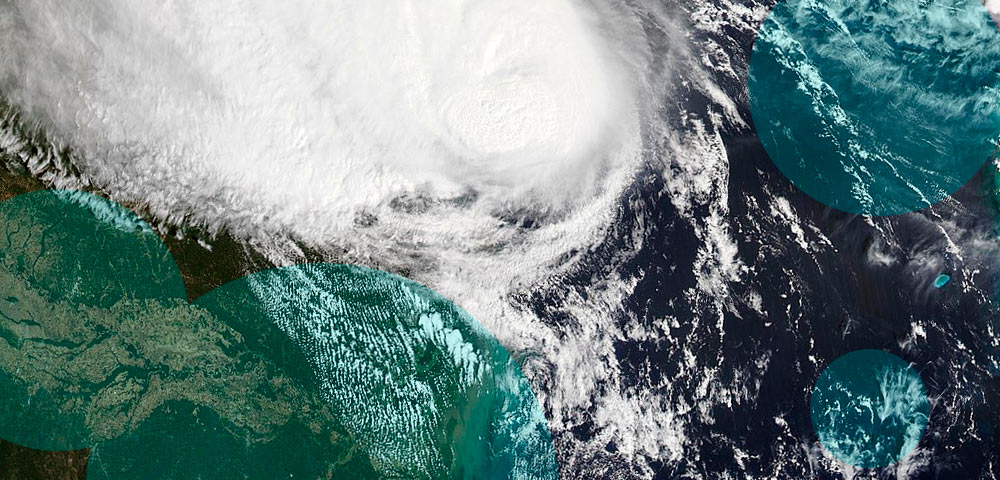
In Malibu, waves linked to a nearby hurricane eroded the coastline and contributed to a large sinkhole in the driveway of a home owned by actor Nicolas Cage. The recent damage has added concern around another period of elevated water levels.
How the Kelvin wave forms
Kelvin waves develop when trade winds across the equatorial Pacific weaken. Those winds normally push warm surface water westward toward Indonesia, allowing a large pool of warm water to build in the western Pacific.
When the winds weaken for an extended period, some of that water moves back east along the equator toward South America. The movement suppresses colder water that normally rises from deeper parts of the ocean, raising surface temperatures.
This warming is part of the El Niño process. Analysts described Kelvin waves as an important mechanism behind the development and growth of El Niño over several months.
When an equatorial Kelvin wave reaches South America, part of its energy turns into coastal Kelvin waves moving north and south along the coastline. The northbound wave now approaching the U.S. was located north of Cabo, Mexico, and moving at around 6 mph.
Kelvin waves themselves aren’t unusual during El Niño. Five or six often occur during a single event, though the current wave is arriving when ocean temperatures are already elevated.
Warm water expands, adding another increase to background sea levels. Combined with the recent coastal erosion in Southern California, the timing leaves some communities more exposed to flooding and further shoreline damage.
Washington coast also being monitored
The same Kelvin wave is expected to continue toward Washington after reaching California, although its strength should decline as it travels north. National Weather Service forecasters are monitoring its progress during October.
Washington isn’t currently facing the same level of concern as California, though flooding and erosion haven’t been ruled out. The eventual effect will depend heavily on weather conditions when the higher sea levels reach the region.
Low atmospheric pressure and strong winds pushing water toward shore would increase the chance of coastal flooding. Forecasters are watching Washington’s southern coastline and the Olympic Peninsula especially closely.
Earlier Kelvin waves reached California in May and June, according to NOAA, but the latest event is expected to be stronger. California communities have already been preparing for higher sea levels, erosion and flooding associated with El Niño.
Gov. Gavin Newsom declared a state of emergency in September to prepare for El Niño-related conditions during the fall and winter. Potential effects include damage to homes, roads and power access in exposed coastal areas.
The current El Niño is expected to be strong, but its local effects remain difficult to predict. Howard said individual El Niño and La Niña events don’t follow identical patterns, leaving the timing and severity of coastal impacts dependent on conditions as the wave moves north.