Follow Beinsure
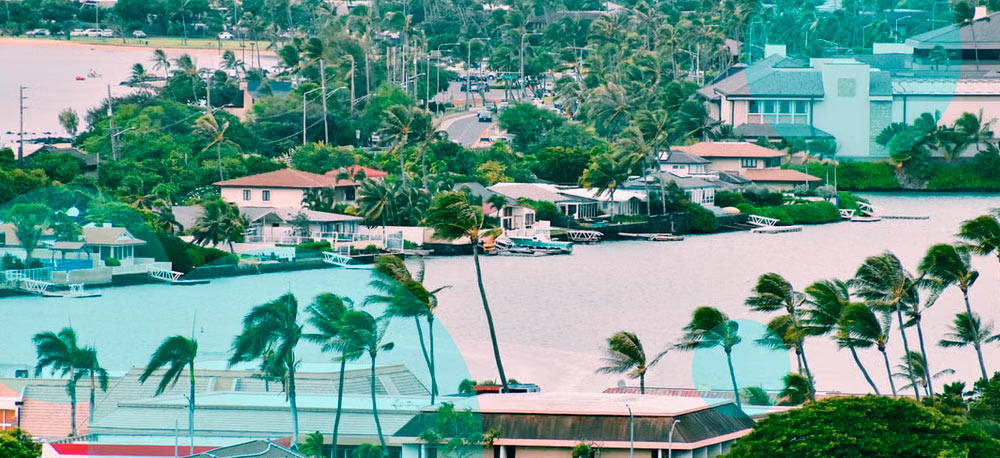
Hurricane Nolo has added another round of wind, flooding and power disruption to Hawaii after a succession of natural disasters caused hundreds of millions of dollars in property damage across the state this year.
Before Nolo approached, Hawaii Governor Josh Green said $211 mn of state property had already been damaged. More than 1,200 homes were affected by previous disasters, including at least 74 destroyed, while estimates for privately owned buildings remained incomplete.
The state has faced repeated losses since March, including flooding from Kona lows, an earthquake in May, Hurricane Lala in August and Hurricane Lowell in September. Nolo then passed south of the islands, bringing additional flooding, strong winds and outages without making landfall.
No insured-loss estimate for Nolo has been published so far. A Hawaii public adjusting firm said damage assessments were still developing as of Sept. 28, with no verified total for damaged residential or commercial properties and no economic or insured-loss estimate available.
Wind, flooding and outages add to property losses
Nolo’s center remained south of Hawaii, but its outer circulation produced damaging conditions across parts of the state. Wind gusts reached 88 mph near Olowalu in West Maui, with gusts of 74 mph at Ukumehame Gulch and 66 mph near Launiupoko, according to National Weather Service observations cited by Island Claims.
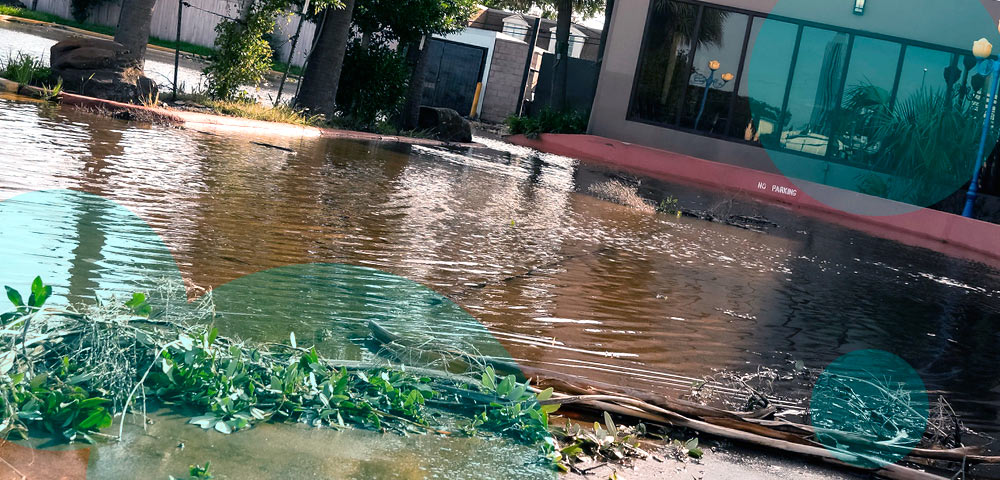
Around 12,370 Maui customers were without electricity early Sunday, with roughly 10,000 customers in West Maui still without power Sunday evening. Hawaii Island also recorded outages affecting more than 4,000 customers, while flooding and debris affected parts of Ka’u.
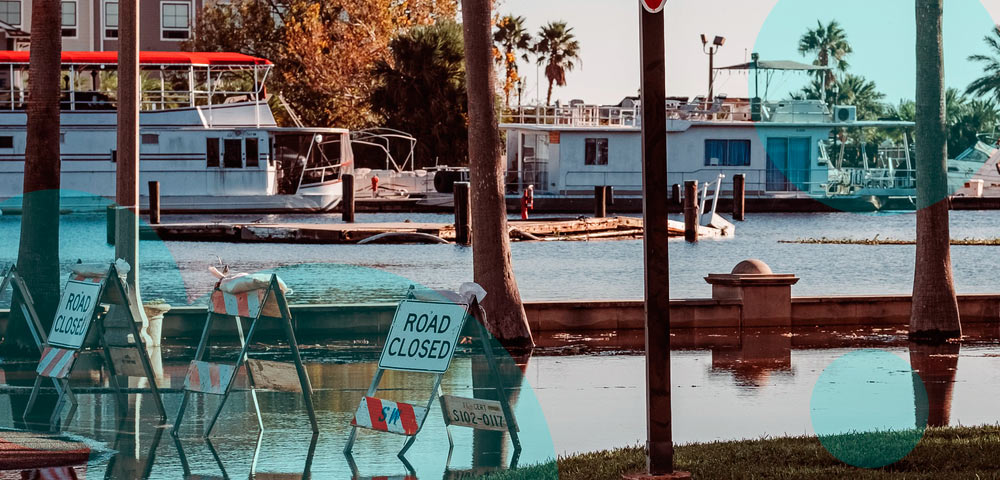
Highway 11 was closed in parts of Ka’u as floodwater and runoff affected the road, while strong winds forced other closures. Schools escaped major structural damage from Nolo, according to the available assessment, though several Lahaina schools remained closed because of power and water-service problems.
The storm followed Hurricane Lala, which hit the Big Island in August and damaged hundreds of homes, and Hurricane Lowell, which passed close to Kauai in September.
Hawaii entered Nolo’s approach with some communities still repairing earlier wind and flood damage.
Insured losses from earlier Hawaii storms already substantial
The insurance cost of Hawaii’s 2026 disasters was already rising before Nolo arrived. Cotality estimated insured losses from Hurricane Lowell at $0.5-1 bn, with most losses expected on Kauai. The company cited wind damage to roofs and building envelopes, rainfall flooding and coastal damage among the main sources of claims.
The March Kona storms generated an even larger loss burden. Aon reported that economic and insured losses from the back-to-back storms were expected to reach at least $1 bn, citing Hawaii government officials.
Flooding damaged homes, roads, agricultural property and other infrastructure across several islands.
Cotality separately identified 96,710 properties within the March flood footprint and estimated that 19,190 sustained damage. The affected area included more than 65,000 properties on Oahu and over 21,000 on the Big Island.
Those earlier events leave insurers dealing with overlapping claims from wind, rain, flooding and business interruption before damage assessments from Nolo are complete.
Hawaii brings in additional insurance adjusters
Hawaii Insurance Commissioner Scott Saiki authorized insurers to use nonresident independent adjusters following Hurricanes Lala and Lowell and expanded the declaration to include Nolo on Sept. 25. The measure allows additional adjusters to work temporarily in the state as insurers process the volume of property claims from the three storms.
The Insurance Division had already told insurers that recent storms damaged or destroyed property and, in some cases, prevented policyholders from accessing insured buildings and records.
The regulator also noted that coverage depends on the cause of each loss, an important issue where wind, rain and flooding occur during the same event.
For Nolo, the full insurance impact remains unclear. Early reports show flooding, wind damage, outages and transport disruption, but no catastrophe modeller or insurer has yet released a statewide insured-loss estimate.
The existing numbers nevertheless show the financial pressure building across Hawaii.
State property damage had reached $211 mn before Nolo, Hurricane Lowell alone was estimated to have generated $0.5-1 bn in insured losses, and the March storms produced losses estimated at at least $1 bn.
Nolo now adds another claims event to a year already marked by repeated property damage across the islands.