Only about 38% of global economic losses from natural catastrophes are insured, according to Verisk, leaving most disaster costs outside the insurance market. The firm’s modeled global economic average annual loss exceeds $450 bn.
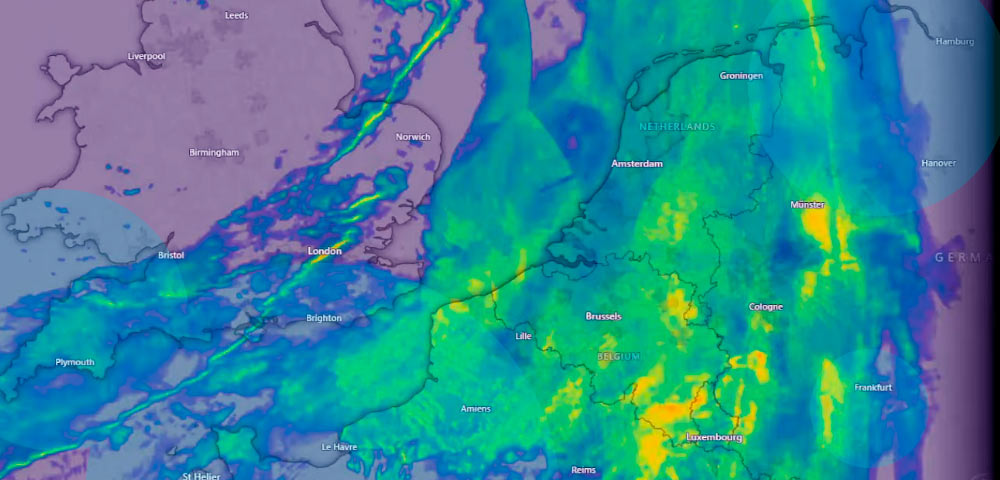
The protection gap varies sharply by region. Europe faces roughly $110 bn in expected annual economic catastrophe losses, yet insurance covers only about $24 bn, equal to 22%.
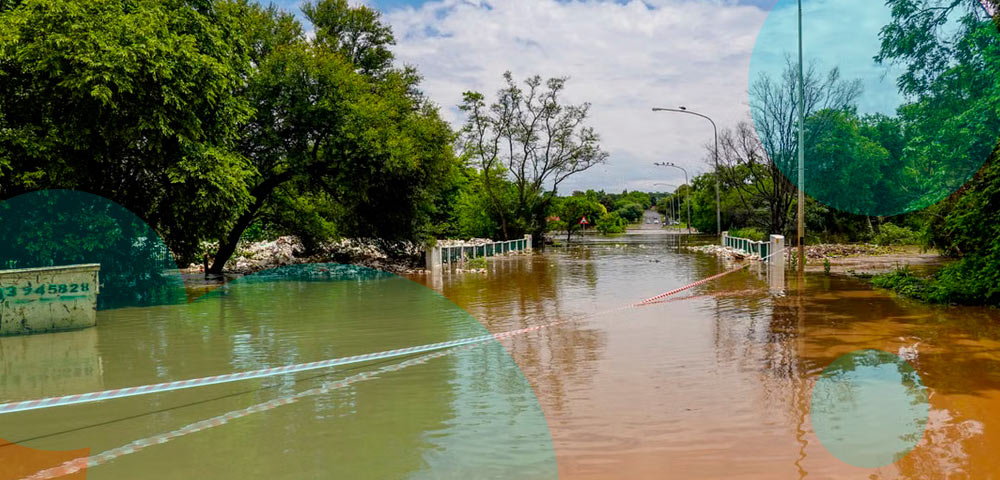
Recent disasters show how low insurance penetration increases the financial burden on households and governments. Flash floods in Central Texas during July 2025 struck an area where national flood insurance take-up stands at roughly 3%.
Coverage was even lower in the county hit hardest by the flooding, at about 2.5%. The event became the deadliest flood in the region in nearly five decades.
Myanmar recorded an even larger insurance gap after its March 2025 earthquake. Economic losses reached approximately $12 bn, while insured losses amounted to less than $100 mn.
The figures mean insurers covered below 1% of the earthquake’s estimated economic damage. Most reconstruction costs therefore remained with households, businesses or public authorities rather than transferring into insurance markets.
“Narrowing the protection gap requires broader access to insurance and a clear understanding of the risk,” said Rob Newbold, president of Verisk Catastrophe and Risk Solutions.
Wider catastrophe model coverage gives insurers more information when assessing markets with low insurance penetration. Verisk is also making its own models and third-party models available through its platforms.
The company argues that more detailed risk information could help insurers identify markets where additional catastrophe coverage is commercially feasible. Such expansion would increase the share of natural disaster losses transferred away from households and businesses.
The global figures still show a substantial mismatch between economic exposure and insured protection. With modeled economic catastrophe losses above $450 bn annually, roughly three-fifths of expected losses remain uninsured.