The Trump administration is preparing new safety requirements for autonomous vehicles as regulators respond to a series of road incidents involving self-driving cars, according to Bloomberg.
Officials want to complete the requirements before the end of President Donald Trump’s current term. Jonathan Morrison, the top official at the National Highway Traffic Safety Administration, said the agency first plans to collect comments from the public and industry groups.
NHTSA wants to define behavioural competencies for autonomous vehicles and create tests to measure how self-driving systems perform in real traffic. The agency’s goal is to give manufacturers a clearer standard, so they know whether a vehicle meets federal safety requirements before putting it on public roads.
Morrison said the rules should move beyond broad safety claims and focus on measurable performance. That would give regulators a more objective basis for judging how autonomous vehicles behave in construction zones, near emergency scenes, around school buses and in other routine road situations.
Recent incidents have made that work more urgent. Waymo, owned by Alphabet, remains the largest operator of paid robotaxi rides in the US, but its vehicles have drawn regulatory attention after several safety problems.
The company recalled thousands of vehicles and paused freeway operations after some cars drove through construction zones at speed. Waymo has also faced scrutiny over cases where its vehicles failed to slow down or stop properly for school buses.
NHTSA said it will continue to handle specific autonomous-vehicle incidents through recalls and enforcement actions. The planned competency standards would work differently. They would set broader rules for how self-driving vehicles should behave on public roads before failures become case-by-case investigations.
First responders have become another pressure point. Autonomous-vehicle companies need to fix problems that cause their cars to interfere with emergency crews.
NHTSA plans to meet with developers about those incidents in the coming weeks.
When emergency workers arrive at a scene, Morrison said, they are not bringing extra staff to move a driverless vehicle out of the way. Regulators want to draw a clearer line for the industry: blocking or complicating emergency response is not acceptable.
The agency’s work also runs in the other direction. NHTSA wants more autonomous vehicles on US roads, and it is reviewing safety rules written for cars with human drivers. Those rules do not always fit vehicles designed without steering wheels, pedals or mirrors.
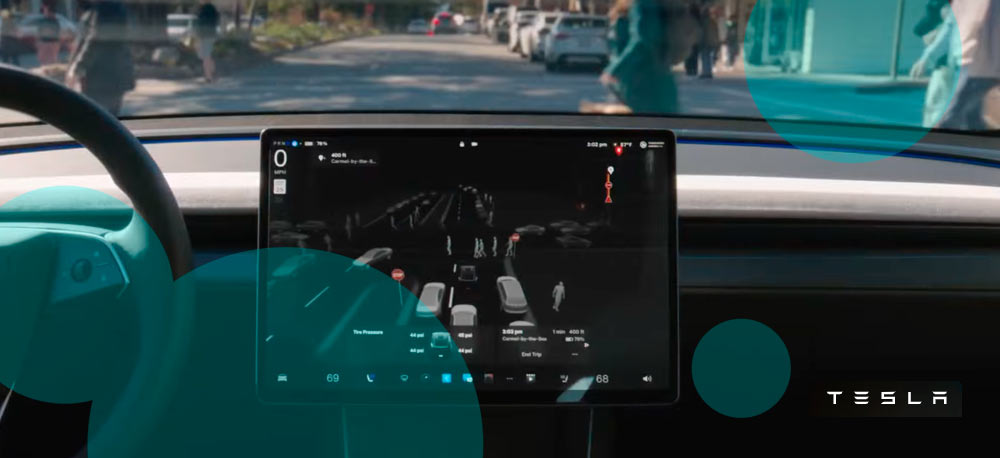
NHTSA proposed removing the requirement for manual brake pedals in fully driverless vehicles. That change would support companies such as Tesla, which wants to launch its Cybercab robotaxi without traditional human controls.
The agency wants to remove design restrictions that make less sense for vehicles never intended for human operation.
NHTSA is also reviewing other legacy requirements for conventional cars. Mirrors are one example, according to Beinsure. For vehicles designed to operate without a driver, regulators now need to decide which old hardware rules still protect road users and which ones only slow deployment.