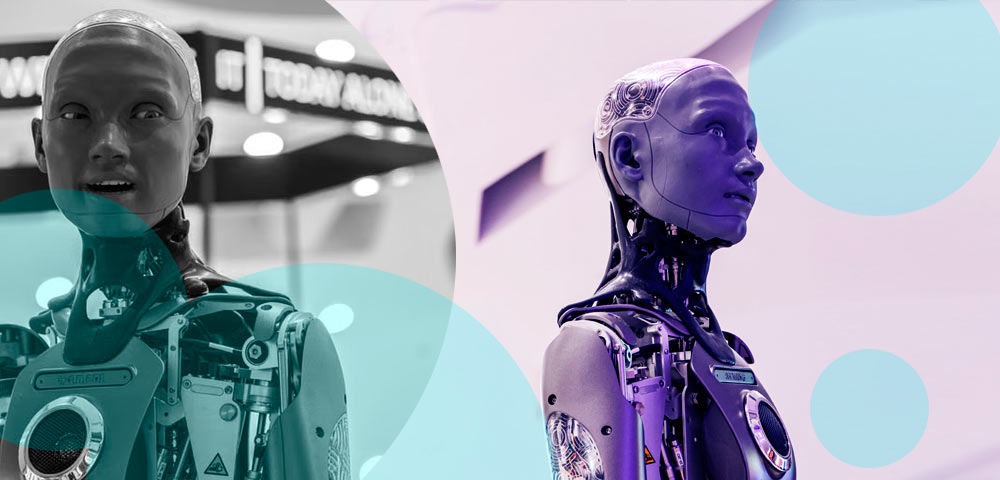
Tokio Marine HCC International (TMHCCI) has partnered with UK insurance broker Adrian Flux to introduce what the companies describe as Britain’s first household insurance policy specifically designed for domestic humanoid robots.
The coverage is available through Adrian Flux’s home insurance offering and underwritten by TMHCCI. It protects both the robot and the household against specified risks, including accidental damage, theft, third-party liability and malfunctions.
- Tokio Marine HCC International and Adrian Flux have introduced what they describe as the UK’s first household insurance policy for domestic humanoid robots.
- The policy covers robot damage and theft, household property damage, third-party liability and emergency recovery following malfunctions.
- Global humanoid robot shipments exceeded 19,100 units in the first half of 2026, with Chinese manufacturers accounting for more than 97% of deliveries.
The product comes as robotics manufacturers prepare to introduce humanoid machines into residential settings. Early consumer models are already available for pre-order in the US at approximately $20,000, while domestic robots are expected to enter UK households from 2027.
What does humanoid robot home insurance cover?
The policy extends conventional household protection to include risks associated with owning and operating a humanoid robot.
Coverage includes damage to or theft of the robot, sudden damage caused to household property and belongings, and personal liability if the machine injures someone or damages third-party property.
It also provides emergency recovery or safe disablement following a sudden or unforeseen malfunction.
Stuart Heath, head of distribution, international at Tokio Marine HCC International, said insurance should be available as consumers begin purchasing expensive robotic equipment.
A robot that costs thousands of pounds is not something you want sitting outside your insurance policy. Insurance has traditionally reacted to rather than facilitated new markets and products.
Stuart Heath, head of distribution, international at Tokio Marine HCC International
Gerry Bucke, general manager at Adrian Flux, said the policy addresses uncertainty over responsibility when domestic robots cause damage or injury. “As robots start to arrive in people’s homes, we wanted to work with TMHCCI to provide clarity on who is responsible if something goes wrong,” Bucke said.
The companies describe the product as the first of its kind in the UK. Adrian Flux previously introduced a driverless car insurance policy in 2016 and intends to update its humanoid robot coverage as the technology and associated risks develop.
Humanoid robot insurance creates a new household risk category
Commercial insurance solutions already exist for robots used in manufacturing, warehouses and other business environments. The TMHCCI and Adrian Flux product extends dedicated protection to residential applications.
Domestic robots introduce exposures involving valuable equipment, household property and potential injury to occupants or visitors.
The policy combines first-party protection for the robot with cover for specified property damage and personal liability, alongside assistance when equipment malfunctions.
The introduction of dedicated household coverage comes before widespread consumer adoption, allowing insurers to develop products for an emerging category of personal property.
Global humanoid robot shipments could reach 60,000 in 2026
The insurance launch coincides with rapid growth in global humanoid robot production, led overwhelmingly by Chinese manufacturers.
According to Smart Analytics Global data cited by Bloomberg, approximately 19,100 humanoid robots were shipped worldwide during the first half of 2026, more than three times the volume recorded in the corresponding period of 2025.
Chinese companies accounted for more than 97% of global shipments.
Agibot led the market with approximately 8,400 units, representing about 44% of worldwide deliveries. Unitree Robotics ranked second with 5,900 units.
US manufacturers, including Tesla, Figure AI and Agility Robotics, remained considerably behind their Chinese competitors in shipment volumes.
Global deliveries are projected to reach approximately 60,000 units in 2026, with potential growth to 500,000 annually by 2030.
Industrial and commercial customers currently dominate demand. Their share of humanoid robot shipments increased from approximately 50% in 2025 to more than 70% in 2026.
China dominates production as regulatory risks increase
Chinese humanoid robot manufacturers benefit from government funding and support at multiple levels, contributing to their production scale.
In late July 2026, the US restricted imports of new Chinese humanoid and quadrupedal robots and certain components, citing national security and cybersecurity concerns.
The restrictions introduce additional uncertainty for manufacturers seeking access to international markets.
Investors are also directing increasing attention toward humanoid robotics and physical AI. SoftBank CEO Masayoshi Son has suggested the sector could eventually produce a company valued in the trillions of dollars.
Consumer adoption remains limited compared with industrial deployment, although manufacturers are preparing residential products for commercial release.
For insurers, the arrival of domestic humanoid robots creates demand for coverage addressing equipment damage, property losses and personal liability. Tokio Marine HCC and Adrian Flux are entering that market ahead of the expected introduction of humanoid robots into UK homes in 2027.