Follow Beinsure
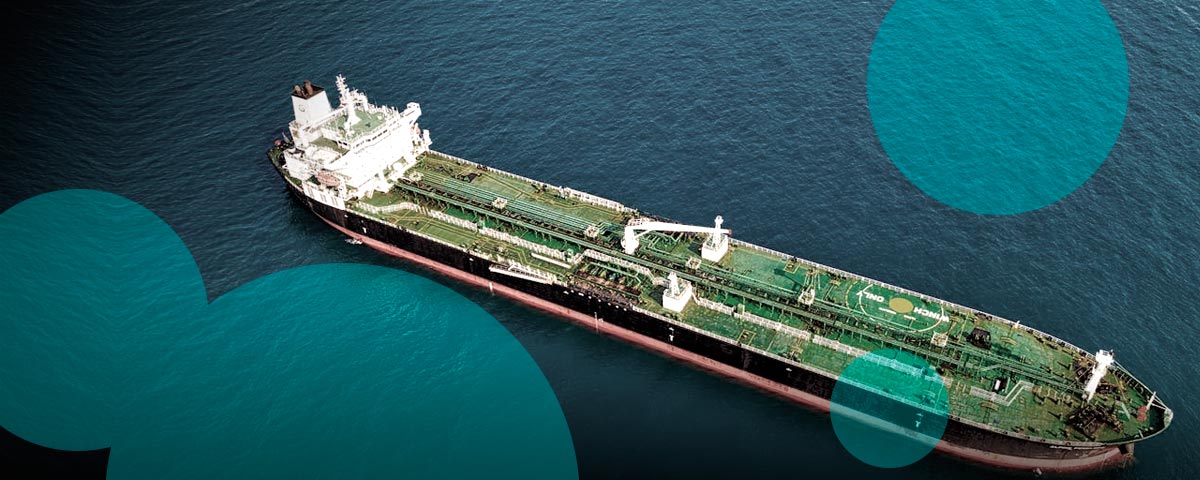
U.S. President Donald Trump will review policy options Tuesday aimed at capping energy costs as fighting between Israel, the U.S., and Iran disrupts crude flows.
Two sources said officials prepared a proposal under which Washington would help oil tankers secure insurance coverage in the Gulf.
Brent and WTI benchmarks jumped after Israeli and American strikes on Iran over the weekend triggered retaliatory attacks.
According to Beinsure, markets reacted less to rhetoric and more to blocked cargoes. Tanker traffic slowed. Underwriters recalculated exposure overnight.
The Strait of Hormuz, wedged between Iran and Oman, handles roughly 20% of global oil shipments. Several vessels sustained damage.
Others remain idle, waiting for clarity on security guarantees. Freight rates moved higher. War-risk premiums followed.
Shipping firms and marine insurers reassessed Gulf exposure within hours of the first strikes. Some carriers accepted higher deductibles.
According to our data, premiums for transits through Hormuz widened sharply, and charterers absorbed those increases before passing them through supply chains into retail fuel prices. Consumers feel it fast.
Higher insurance bills changed routing decisions. Operators delayed sailings or diverted around Africa, adding days and fuel costs.
We think prolonged disruption would harden those pricing pressures, especially if underwriters restrict aggregate limits in the region.
Treasury Secretary Scott Bessent and Energy Secretary Chris Wright will meet Trump to present response scenarios.
The sources requested anonymity due to the sensitivity of internal planning. Officials plan to settle on a course of action after the briefing.
Trump framed lower gasoline prices as central to his economic message. He argues cheaper fuel eases inflation and supports household spending.
A sustained oil rally complicates Republican strategy ahead of the November midterm elections in the U.S., where control of Congress sits in play.
Federal backing for tanker insurance carries precedent. During the Iran-Iraq war in the 1980s, Washington reflagged Kuwaiti tankers and deployed naval escorts after private insurers withdrew.
After the September 11 attacks in 2001, the government issued temporary war-risk coverage to stabilize maritime trade when commercial capacity tightened.
Secretary of State Marco Rubio said Monday the administration has a program ready to counter rising energy prices. He told reporters Energy Secretary Wright and Treasury Secretary Bessent will execute it in phases starting Tuesday.
The White House has avoided tapping the Strategic Petroleum Reserve so far. One source said officials could signal readiness to draw from the SPR if crude extends gains. Markets watch inventory data closely. Traders aren’t waiting for speeches.