Follow Beinsure
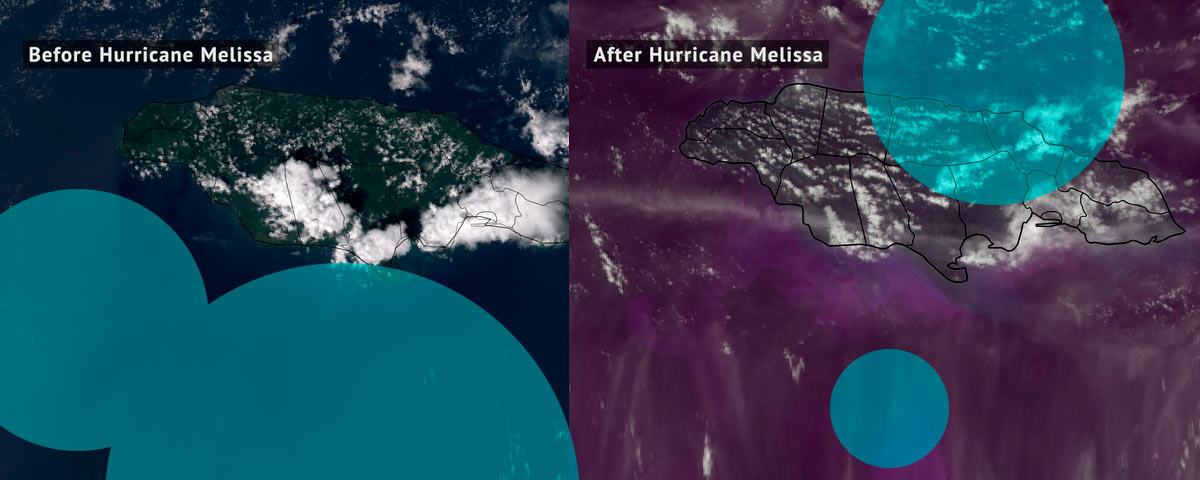
Insured losses from Hurricane Melissa in Jamaica could hit between $2.2 bn and $4.2 bn, according to data from Verisk’s extreme event solutions unit.
- Private insurers are facing about $2.4 bn in losses from the destruction caused by Hurricane Melissa across Jamaica and Cuba, according to a flash estimate from KCC.
- Moody’s RMS Event Response estimates that private-market insured losses from Hurricane Melissa will reach between $3 bn and $5 bn
- Karen Clark & Company’s (KCC) estimated private insured loss from Hurricane Melissa, which includes damages to residential, commercial, and industrial properties in Jamaica and Cuba to hit $2.4 bn.
- Cotality estimated the total insured losses from the event to be around $1.5 bn, within a range of $1 bn to $2.5 bn, while total property damage from wind, storm surge, and flooding is expected to range between $5 bn and $9 bn.
- According to AccuWeather’s preliminary estimates, the storm caused $48-52 bn in total damage and economic losses. Meanwhile, re/insurance broker Aon warns that total economic and insured losses could land in the single-digit billions of USD, and potentially higher after future damage assessments.
Melissa slammed into the island on Oct. 28 with sustained winds of 185 mph, tearing through homes, hotels, and infrastructure across multiple parishes.
The storm made landfall in St. Elizabeth Parish, where reports showed total roof loss in some communities. Major damage swept through Montego Bay – a tourism hub packed with resorts – before flooding reached all the way to Kingston.
KCC said Melissa tied the 1935 Labor Day hurricane as the most intense Atlantic hurricane ever to make landfall and ranked as the third most intense Atlantic storm overall by central pressure.
In Jamaica, the heaviest damage hit the western parishes of St. Elizabeth, St. James, and Westmoreland, where widespread roof failures left towns shredded.
More than 75% of buildings in Black River were damaged or destroyed by winds, according to the report.
Buildings across Jamaica are largely built with reinforced masonry, which holds up well against lateral wind loads, KCC said.
But most roofs are made from lightweight metal or zinc sheets nailed directly to framing without a solid deck — a design flaw that leaves them highly vulnerable to hurricane-force gusts.
In eastern Cuba, KCC reported “extensive envelope and structural damage,” with roughly 10% of buildings collapsing entirely and over 30% losing roofs completely.
Hurricane Melissa tore into Jamaica with 185 mph winds and sheets of rain, smashing records and leaving behind a trail of economic damage that could stretch into the billions.
Verisk said both residential and commercial properties suffered extensive destruction. “Non-engineered residential buildings and engineered commercial buildings experienced similar degrees of damage,” the company noted.
From homes to grocery stores, gas stations, airports, and hospitals, structures serving every function were impacted.
Flooding and storm surge compounded the chaos, wrecking vehicles and pushing water levels through downtown areas that had never seen such extremes.
According to the Insurance Association of Jamaica, only around 20% of residential properties carry insurance coverage. Verisk added that a large number of homes, commercial properties, and cars remain underinsured, widening the gap between economic and insured losses.
About 70% of Jamaica’s homes use masonry construction, with the remainder wood-framed.
Most roofs are low or slightly pitched, often built without full professional oversight – a factor Verisk said contributed to “near total destruction” in the landfall zone.
The country’s early building codes date back to the early 1900s, but national standards aligned with local hazards weren’t introduced until 2003, and enforcement lagged for years.
That changed with the 2019 Building Act, which Verisk said should strengthen compliance and resilience in future storms.
Whether that’s soon enough, though, is another question. Melissa’s scale of damage may rewrite how Jamaica rebuilds – and how insurers price its coastal risks going forward.
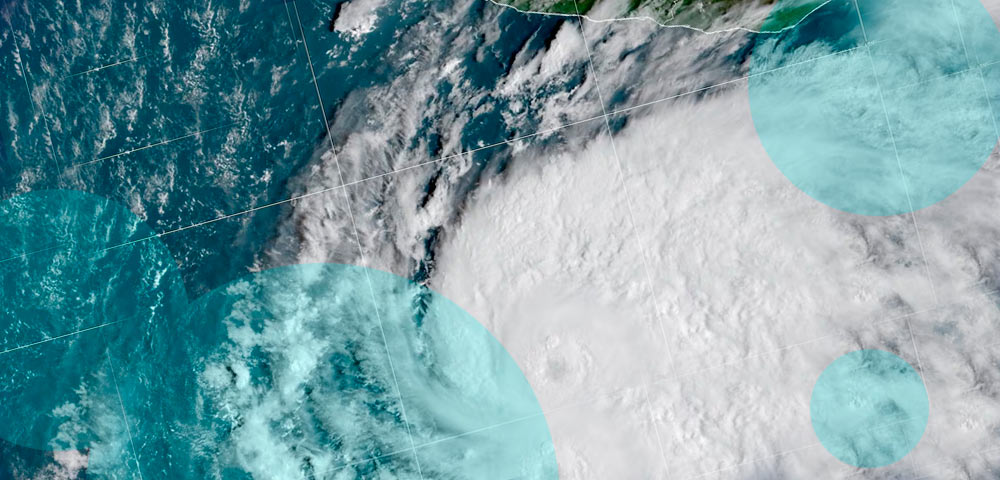
Hurricane Melissa was an extremely powerful, erratic, and catastrophic tropical cyclone which became the third-most intense Atlantic hurricane on record, tied with the 1935 Labor Day hurricane, as well as the most intense landfall in the Atlantic basin.
The thirteenth named storm, fifth hurricane, fourth major hurricane, and third Category 5 hurricane of the 2025 Atlantic hurricane season, Melissa is currently the strongest tropical cyclone worldwide in 2025.
Melissa caused catastrophic damage upon making landfall in Jamaica, and was the strongest hurricane to make landfall on the island, surpassing that of Hurricane Gilbert in 1988.
Melissa formed from a tropical wave that was first monitored for development on October 16. The wave originated from West Africa, traveled from the central Atlantic to the Windward Islands, and then moved quickly westward into the Caribbean Sea, where it slowed down and developed into Tropical Storm Melissa on October 21.
Weak steering currents and moderate wind shear kept Melissa meandering and disorganized for the next few days as it slowly moved northwest.
Over the following days, Melissa became better organized, and from October 25 to 27, rapidly intensified into a Category 5 hurricane before making landfall near New Hope, Jamaica, at its peak intensity, on October 28.
Melissa emerged from the north coast of Jamaica later that day, weakened, and made landfall near Chivirico, Cuba, the next day.
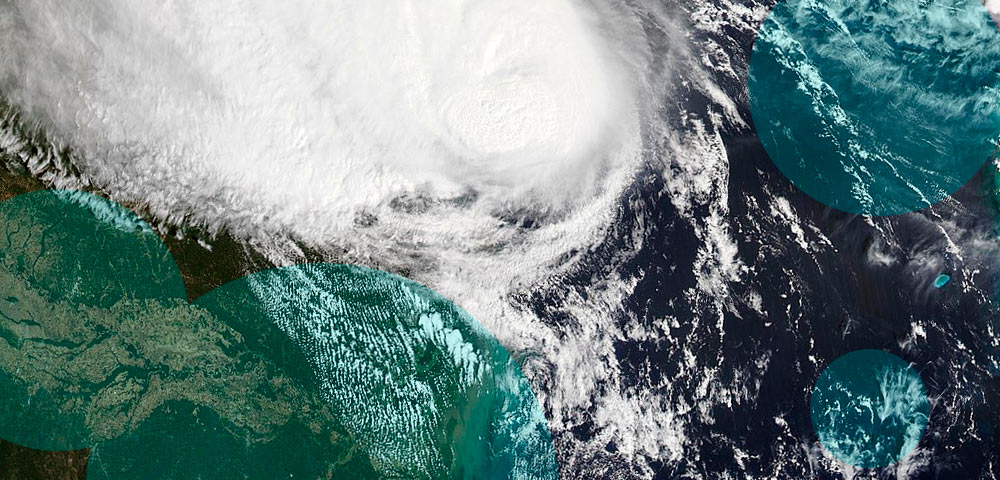
Melissa weakened to a Category 1 hurricane after the landfall, approached Bermuda as a Category 2 hurricane, then again weakened before becoming a hurricane-force extratropical low on October 31 northeast of Bermuda.
The remnants of Melissa then passed near Newfoundland, and gradually weakened over the next few days until dissipating on November 4, southeast of Iceland.