- Ukraine seeks Norwegian investment as 2027 funding gap reaches €70 bn
- Russian attacks increase pressure on Ukraine’s insurance market
- Ukraine expands compensation for war-damaged business property
- Proposed $3-4 bn fund could provide up to $10 mn per company
- Prolonged conflict increases need for financial protection
Ukraine has asked Norway to become a key financial contributor to a proposed war risk insurance fund aimed at protecting businesses from Russian attacks and encouraging private investment in the country’s economy.
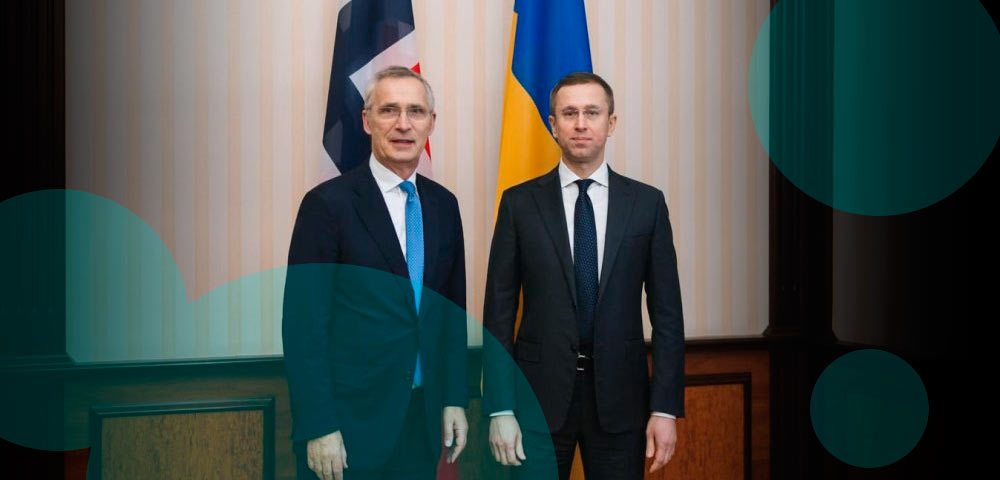
Ukrainian Prime Minister Sergii Koretskyi discussed the initiative with Norwegian Finance Minister Jens Stoltenberg during talks on November 3, alongside Ukraine’s financing requirements for 2027 and opportunities for Norwegian companies to invest in Ukrainian projects.
- Ukraine has invited Norway to become a major contributor to a proposed war risk insurance fund intended to attract private investment despite continued Russian attacks.
- Kyiv estimates an uncovered financing requirement of €70 bn for 2027, while Norway plans approximately €9 bn in military and civilian assistance through the Nansen Programme.
- Ukraine is developing a $3-4 bn insurance mechanism offering up to $10 mn in compensation per company, alongside existing state programmes covering property losses and insurance premiums.
The proposed fund would help businesses manage potential losses from military strikes, a major obstacle to investment in industrial facilities, infrastructure and other assets.
The discussions come as Ukraine seeks additional international funding to sustain its economy and defense operations while Russian attacks continue to damage commercial and energy infrastructure.
Ukraine seeks Norwegian investment as 2027 funding gap reaches €70 bn
According to Koretskyi, Ukraine faces an uncovered financing requirement of approximately €70 bn for 2027, even after accounting for international assistance already confirmed by its partners.
The total includes €30 bn for government budget support and €40 bn for the additional needs of the Ukrainian armed forces.
Norway plans to allocate approximately €9 bn to Ukraine in 2027 through the Nansen Support Programme, which provides military, civilian and humanitarian assistance.
The Norwegian government’s proposed allocation totals NOK 85 bn, including NOK 70 bn for military support and NOK 15 bn for civilian and humanitarian purposes.
During the meeting, Koretskyi urged Norway to become one of the principal contributors to Ukraine’s proposed war risk insurance fund.
He also encouraged Norwegian businesses to expand their involvement in Ukrainian investment projects.
Norway has separately announced a NOK 1 bn investment mechanism, equivalent to approximately $107 mn, designed to mobilize private capital for Ukraine’s defense industry.
The initiative will be managed by Norwegian state-owned investment company Investinor and will support investment funds financing Ukrainian defense and technology businesses.
Norway has also committed NOK 500 mn in energy assistance ahead of winter, with the funding intended to help restore infrastructure damaged by Russian attacks.
Russian attacks increase pressure on Ukraine’s insurance market
Continued strikes against industrial facilities, warehouses, manufacturing plants, fuel infrastructure and logistics networks have increased financial risks for Ukrainian businesses.
Many companies face difficulties obtaining adequate commercial insurance against war-related damage, particularly in areas exposed to missile and drone attacks.
Coverage remains expensive, while some assets cannot be insured on commercially viable terms.
Businesses without sufficient protection must often finance repairs, replace equipment and restore operations using their own resources.
The lack of affordable war risk insurance also discourages new investment, particularly in capital-intensive projects requiring substantial upfront expenditure.
Ukraine has responded by expanding state-backed financial protection for businesses through property compensation, insurance premium subsidies and subsidized recovery loans.
However, existing programmes provide only partial coverage, with compensation limits and available budget funding restricting their capacity to absorb major losses.
Ukraine expands compensation for war-damaged business property
Under Ukraine’s existing state compensation programme, eligible businesses can receive up to UAH 30 mn for property damaged or destroyed by Russian military attacks.
The programme operates under Cabinet of Ministers Resolution No. 1541, with amendments adopted in September 2026 through Resolution No. 1157.
The changes expanded eligibility to additional categories of assets and geographical areas.
Kyiv and Kyiv Oblast were included among the territories covered by the high-risk compensation mechanism.
Eligible property was also expanded to include fuel inventories, storage equipment, vehicles used to transport fuel, agricultural machinery and certain commercial vehicles.
Businesses seeking property compensation must register under the programme and make a one-time contribution equal to 0.5% of their declared potential compensation.
Payments remain subject to documented losses, eligibility requirements and available state funding.
The UAH 30 mn limit applies per business over the programme’s duration, meaning companies with substantial industrial assets may still face significant uninsured losses.
Compensation is available for qualifying incidents from January 1, 2026, subject to the requirement that businesses had registered before the damage occurred. State-owned and municipal enterprises are excluded.
Ukraine has also increased the annual limit for insurance premium reimbursement from UAH 3 mn to UAH 5 mn per business. This mechanism helps companies offset the cost of purchasing commercial war risk insurance and has been expanded to include qualifying leased property.
Unlike direct property compensation, premium subsidies have broader geographical coverage.
The government has additionally expanded access to subsidized recovery loans for damaged facilities and business operations.
The maximum lending limit for a group of related companies can reach UAH 1 bn under the applicable conditions, with the state covering 5.5 percentage points of the bank’s base interest rate.
Proposed $3-4 bn fund could provide up to $10 mn per company
Ukraine is developing a larger insurance and compensation mechanism intended to address risks that existing state programmes and commercial insurers cannot adequately cover.
The proposed fund would have a targeted capacity of approximately $3-4 bn, with financing expected to combine Ukrainian public resources and international contributions.
The government previously indicated that more than $1 bn had been earmarked for war risk insurance in its draft 2027 state budget.
Under the proposed model, eligible companies could receive compensation of up to $10 mn per legal entity for qualifying damage to business assets.
The mechanism is expected to focus on property and infrastructure essential to commercial operations, including buildings, production equipment and engineering facilities.
Businesses would contribute approximately 2% of their selected coverage limit, although the final pricing and eligibility conditions remain under development.
Companies could potentially arrange additional private insurance for losses exceeding the proposed fund’s coverage.
The model is intended to distribute financial exposure between businesses, the Ukrainian government, international donors and commercial insurers. It could also encourage insurers to offer greater capacity by reducing their exposure to the initial layer of losses.
However, the fund’s effectiveness will depend on securing sufficient capital, establishing clear claims procedures and determining which risks qualify for protection.
The proposed mechanism has not yet replaced Ukraine’s existing compensation programmes.
Prolonged conflict increases need for financial protection
Ukraine’s efforts to expand war risk insurance come amid expectations that military and economic pressure could continue despite renewed diplomatic negotiations.
Bloomberg reported in early November that Moscow was preparing for a prolonged conflict and considering further pressure on Ukraine and its European partners.
The report also indicated that Russia was seeking opportunities to obtain sanctions relief while maintaining its existing territorial demands.
Ukraine, Russia and the United States are scheduled to hold trilateral talks in Abu Dhabi on November 10-11, although significant differences remain between the parties.
For Ukrainian businesses, continued uncertainty reinforces the need for reliable mechanisms to cover wartime losses and support reconstruction.
Even if additional international funding becomes available, insurance protection will depend on the scope of coverage, the financial capacity of participating institutions and the speed at which compensation can be provided.
Norway’s potential involvement could strengthen the proposed fund’s capital base and encourage further participation by private investors. However, no final Norwegian contribution to the war risk insurance fund has been announced.