Follow Beinsure
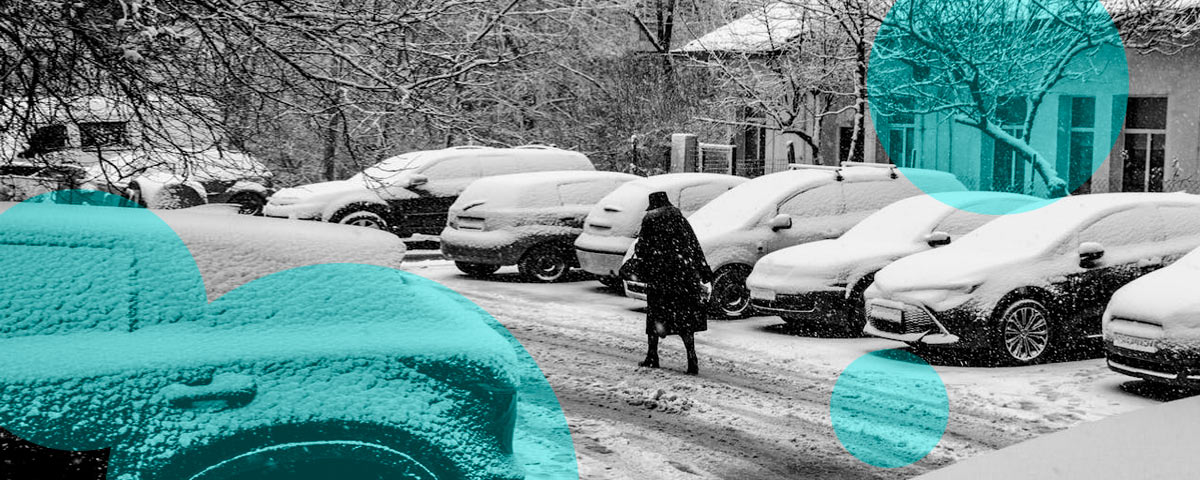
Winter storms swept across a broad stretch of the US over the weekend, delivering heavy snow, ice accumulation, and sustained freezing temperatures.
Homeowners, motorists, and businesses now face property damage, financial strain, and operational disruption across multiple regions.
Loss data shows this pattern isn’t new. Winter storms generated nearly $6 bn in insured losses nationwide during 2022, marking the second-highest annual total for winter storm claims over the past decade, according to Aon. The frequency fluctuates. The cost trend doesn’t ease much.
December 2022 produced the third costliest winter weather event since 1950, with insured losses reaching $3.5 bn.
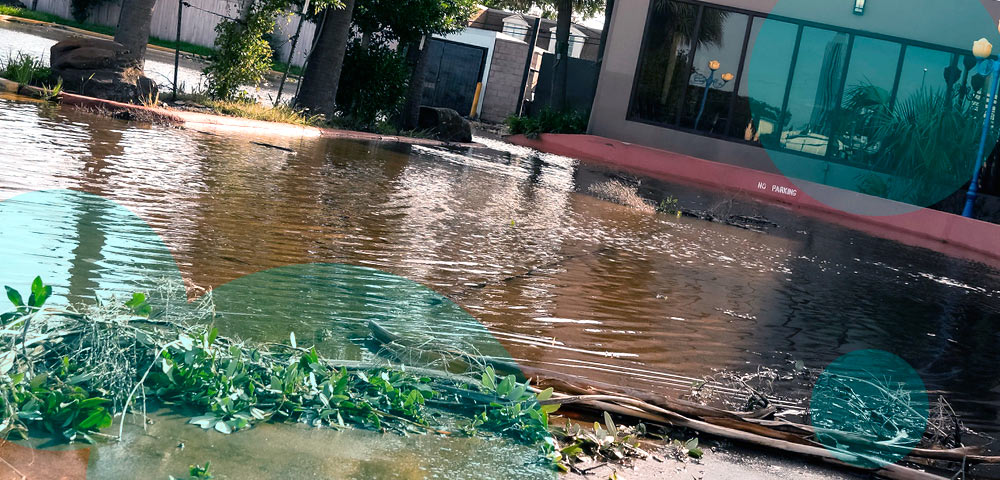
That figure reflects damage from snow, ice, freezing conditions, and flood-related impacts. Earlier events show how severe exposure becomes when cold systems stall.
Winter storms swept across a broad stretch of the US over the weekend, delivering heavy snow, ice accumulation, and sustained freezing temperatures.
The 2021 Polar Vortex remains the benchmark. The storm hit the Midwest, Great Plains, and Texas, producing roughly $18.6 bn in insured losses. The event reshaped insurer assumptions around winter weather severity and payout volatility.
Historical data underlines the volatility year to year
Insured winter storm losses reached $5.3 bn in inflation-adjusted terms during 2015, fell sharply through 2017, then surged again in 2018.
Losses stayed elevated through 2019 before easing in 2020. The spike returned in 2021, followed by $11.0 bn in 2022, then lower but persistent losses across 2023 and 2024, according to Aon.
U.S. Insured Losses from Winter Storms, 2015-2024
| Year | Insured losses when occurred, $ mn | Insured losses, in 2024 dollars, $ mn |
| 2015 | $3,918 | $5,264 |
| 2016 | 1,178 | 1,564 |
| 2017 | 926 | 1,2 |
| 2018 | 3,791 | 4,798 |
| 2019 | 1,859 | 2,318 |
| 2020 | 1,098 | 1,341 |
| 2021 | 15,529 | 18,631 |
| 2022 | 10,197 | 10,97 |
| 2023 | 3,326 | 3,49 |
| 2024 | 3,933 | 4,02 |
Source: Aon
These figures include losses absorbed by private insurers and government-backed programs such as the National Flood Insurance Program. Estimates remain subject to revision as claims mature and secondary damage emerges.
For households and companies affected by recent storms, insurance mechanics matter. Coverage varies by policy type and peril.
Snow load, ice damage, wind, freezing pipes, and business interruption don’t always sit under the same terms.
Homeowners, drivers, and business operators each face different coverage limits and exclusions. Understanding what coverage applies, what remains optional, and how to document damage early reduces friction during claims handling.
According to Beinsure analysts, preparedness around documentation and policy scope often separates fast recovery from prolonged financial stress.
The brokerage UBS says that the 2021 winter storm was the closest comparable event, which resulted in catastrophe losses of between $15 bn and $20 bn for the insurance industry.
Catastrophe losses have intensified over the past few years, significantly hurting profits across the industry, due to substantial payouts tied to widespread property damage, business interruptions and liability claims.
It can often take weeks after such events to arrive at a more accurate figure for insured losses, as claims are filed and assessed.
UBS said it expects the largest share of insured losses from the latest storm to come from commercial property lines, followed by homeowners and personal auto.
Commercial property losses typically arise when extreme cold damages buildings and disrupts operations, including frozen pipes, roof damage and prolonged power outages. Personal auto claims also surge as icy roads and poor visibility lead to accidents and vehicle damage.