Follow Beinsure
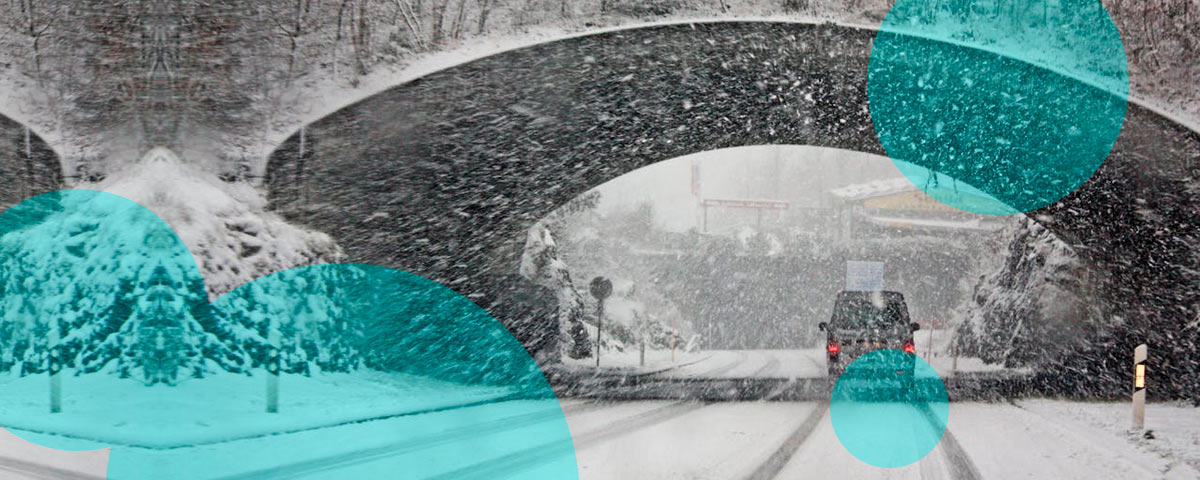
AccuWeather estimates the weekend winter storm affecting more than 200 mn people across over 24 states will generate total damage and economic losses between $105 bn and $115 bn. The scale reflects broad disruption rather than isolated physical damage.
The preliminary estimate covers damage to residential and commercial property, interruptions to commerce and supply chain logistics, and lost tourism revenue.
It also includes shipping disruption at major transport hubs, financial losses tied to prolonged power outages, widespread travel delays, and damage to critical infrastructure, according to the forecaster.
AccuWeather relies on independent analytical methods to assess both direct and indirect storm impacts. These calculations include insured and uninsured losses spanning property damage, wage and job losses, agricultural impacts, infrastructure repair, supply chain interruption, auxiliary business losses, aviation delays, and storm-related secondary costs.
Loss data shows this pattern isn’t new. Winter storms generated nearly $6 bn in insured losses nationwide during 2022, marking the second-highest annual total for winter storm claims over the past decade, according to Aon. The frequency fluctuates. The cost trend doesn’t ease much.
Jonathan Porter, chief meteorologist at AccuWeather, described the storm’s footprint as unusually broad. He said the defining feature was not only snow and ice accumulation, but the geographic reach of disruption across transportation networks, energy systems, commercial activity, and daily operations.
Extreme cold following the storm increases risk levels and slows recovery in many heavily affected regions.
Insured losses are expected to reach into the billions. Jasper Cooper, vice president and senior credit officer at Moody’s Ratings, said winter storm Fern will rank among the most costly events of its type for insurers.
He pointed to the 2021 Texas freeze, which generated roughly $18 bn in insured losses, as the previous benchmark.
Cooper added that insurers adjusted pricing and policy terms in recent years to reflect rising losses from non-peak perils, including winter storms.
Rate increases and coverage changes aimed to absorb growing volatility tied to cold-weather events.
AccuWeather also warned that Arctic air moving in behind the storm complicates restoration efforts. Sustained freezing temperatures increase the probability of secondary damage, including burst pipes, structural stress, and extended business interruption, even after snowfall and ice clear.