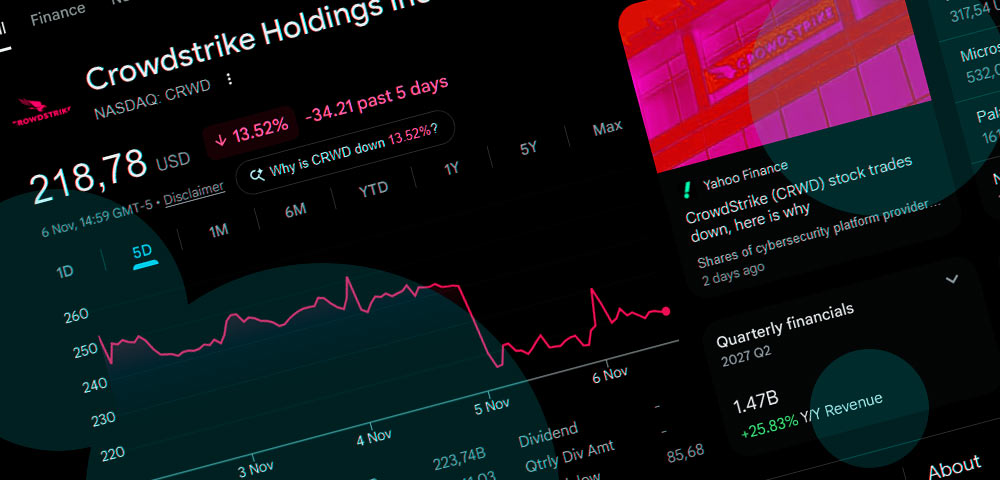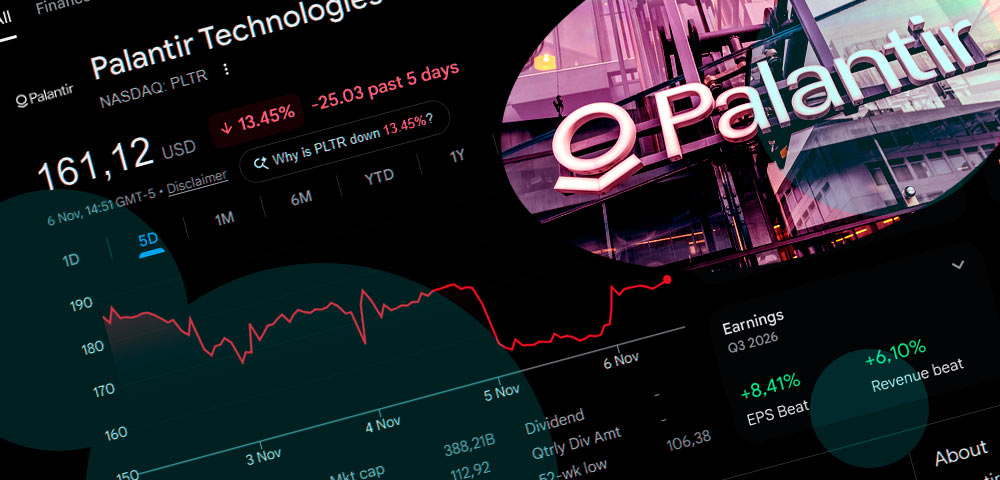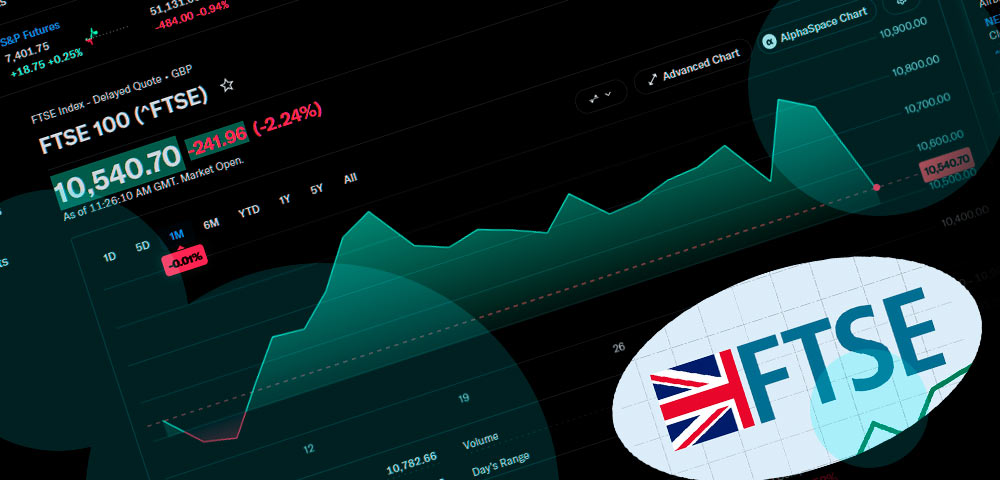
US stocks traded mixed on November 6, 2026, as technology shares recovered from Thursday’s heavy losses while stronger-than-expected employment data raised concerns about the Federal Reserve’s interest-rate outlook.
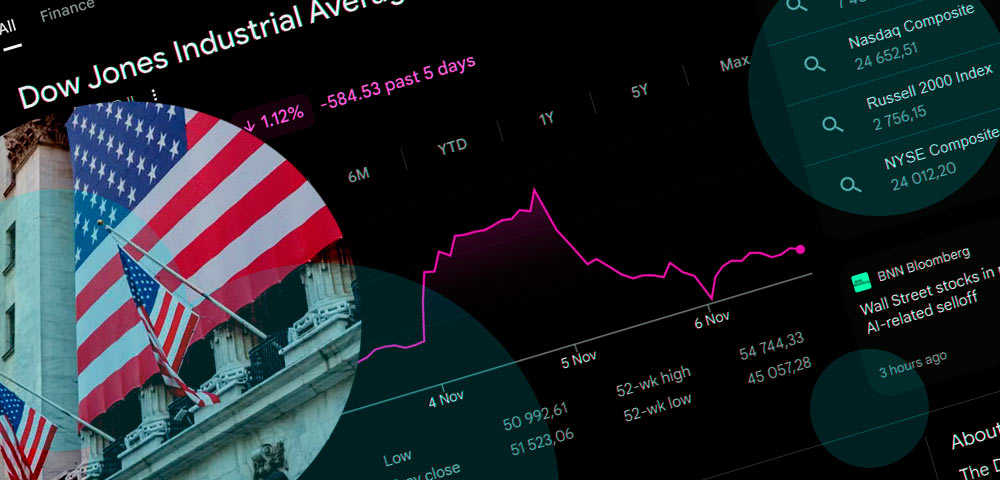
The S&P 500 gained 0.8% by 10:45 a.m. ET, while the Nasdaq Composite advanced 1.4%. The Dow Jones Industrial Average slipped 33 points, or 0.1%, reflecting weaker demand for industrial and other economically sensitive stocks.
- The S&P 500 gained 0.8% and the Nasdaq Composite rose 1.4% on Friday, recovering some losses from Thursday’s sharp decline.
- Nvidia climbed 4.1% as semiconductor stocks rebounded following a sell-off driven by concerns over AI infrastructure investment.
- Strong US employment data reinforced expectations of higher Federal Reserve interest rates, potentially adding pressure to technology companies’ financing costs.
The recovery followed one of Wall Street’s sharpest selloffs of 2026. On November 5, the Dow plunged 1,833 points, or 3.44%, to 51,523.06. The S&P 500 dropped 4.36% to 7,353.73, while the Nasdaq Composite lost 5.52% to 24,315.00.
US tech stocks surged after Democrats won Congress, with the Dow gaining 1,524 points, oil prices falling and investors assessing AI regulation risks.
US jobs report raises pressure on Federal Reserve
US employers added 165,000 jobs in October, exceeding economists’ expectations of approximately 65,000, according to US jobs report. The unemployment rate remained at 4.1%. Average hourly earnings increased 0.4% to $38.00, bringing annual wage growth to 3.1%.
The employment figures reinforced expectations that the US economy remains resilient despite elevated borrowing costs. However, stronger hiring and wage growth could reduce the Federal Reserve’s willingness to ease monetary policy.
The 10-year Treasury yield traded near 4.83%, while the two-year yield stood around 4.47%. Interest-rate futures indicated that investors were increasingly considering another rate increase in December.
Higher Treasury yields remain a particular concern for technology companies, whose valuations depend heavily on expectations of future earnings growth.
Nvidia, AMD and Micron lead technology stock recovery
Semiconductor companies led Friday’s rebound after Thursday’s widespread liquidation of AI-related investments.
Nvidia gained approximately 4.1% in morning trading after falling 9.3% in the previous session. Its recovery provided substantial support to the Nasdaq and S&P 500.
Advanced Micro Devices and Micron Technology also recovered, following Thursday declines of more than 17% each. Earlier premarket trading showed AMD advancing nearly 7% and Micron rising almost 8%.
The Philadelphia Semiconductor Index had plunged 12.25% on Thursday as investors reassessed the outlook for AI infrastructure spending.
Concerns extend beyond valuations. Higher financing costs, declining free cash flow among major cloud providers and potential restrictions on new data centers could slow future capital expenditure.
Technology analyst Luke Lango estimates that hyperscaler capital spending could fall 4%-7% below Wall Street expectations in 2028 and 2029. His projections also suggest semiconductor earnings could undershoot consensus forecasts by approximately 13% over the same period.
These estimates represent a bearish scenario rather than a market consensus, but they illustrate the earnings risk facing semiconductor companies if infrastructure investment slows.
Corporate earnings drive sharp stock movements
Quarterly results provided support for several technology and consumer stocks.
- Airbnb shares surged nearly 12% in premarket trading after the company reported third-quarter earnings of $3.16 per share, exceeding expectations of $2.85. Revenue reached $4.87 bn, compared with forecasts of $4.75 bn.
- Cloudflare advanced almost 15% before the opening bell. The company reported earnings of $0.38 per share against estimates of $0.34, while revenue rose to $782.5 mn, exceeding forecasts.
Lam Research gained approximately 10% following the announcement of a $25 bn share repurchase program.
Five9 moved in the opposite direction, falling more than 16% in premarket trading despite exceeding quarterly earnings estimates. Investors focused on weaker-than-expected profit guidance for the fourth quarter and full year.
The contrasting reactions highlight the market’s increased sensitivity to forward earnings expectations.
Oil prices decline as geopolitical uncertainty persists
Oil prices continued falling as investors assessed possible changes in US policy toward Iran following the midterm elections.
West Texas Intermediate futures traded near $89.78 per barrel, while Brent crude declined toward $97.66.
Lower energy prices could help ease inflation pressures and reduce operating costs for transportation companies and manufacturers. However, uncertainty surrounding potential US military action against Iran remains a risk.
The global market reaction to Thursday’s US selloff was severe. Japan’s Nikkei 225 and South Korea’s Kospi each declined approximately 6%, with semiconductor shares accounting for much of the selling pressure.
Gold traded around $4,078 per ounce, while Bitcoin remained near $76,100.
US stock market outlook: Can the recovery continue?
Friday’s rebound has reduced some immediate selling pressure, but it has not reversed the broader deterioration in technology stocks.
The S&P 500 remained approximately 2.2% lower for the week during morning trading, despite Friday’s advance.
The near-term outlook depends on three developments: whether semiconductor shares can sustain their recovery, whether Treasury yields stabilize following the employment report, and whether major technology companies maintain their AI investment forecasts.
A rebound led primarily by Nvidia and other semiconductor stocks may provide temporary index support without confirming a broader market recovery.
The Dow’s weaker performance suggests investors remain cautious about economic growth and borrowing costs, while the Nasdaq’s stronger gains reflect renewed buying following substantial technology-sector losses.
For the remainder of November, corporate earnings revisions, Federal Reserve expectations and the outlook for AI infrastructure spending will be central to the direction of US equities.